
Sludge aging is one of the more insidious problems in biological wastewater treatment — it develops gradually, doesn’t trigger obvious alarms, and by the time effluent quality starts slipping, the microbial community has often been declining for weeks. We see it most frequently in low-load systems and facilities with inconsistent influent flow, and it consistently ranks among the top causes of unexpected compliance failures. This guide covers how to catch it early, what’s driving it, and how to bring a system back without losing months of recovery time.
How to Detect Sludge Aging Before It Affects Effluent Quality
Early detection is everything with sludge aging. Waiting for effluent COD or TSS to spike means the biological system is already significantly compromised. We rely on five indicators that together give a reliable picture of sludge health — none of them require expensive laboratory equipment.
SV30 Settling Test The SV30 test remains the fastest field diagnostic. Fill a 1-liter graduated cylinder with mixed liquor and measure settled sludge volume at 30 minutes. Healthy activated sludge typically settles to 200–400 mL/L (SV30 of 20–40%). Aged sludge settles faster — often below 150 mL/L within 15 minutes — and produces an unusually clear supernatant. That clarity looks like good performance but actually signals that microbial diversity and activity have dropped. The floc structure is dense and compact rather than active and fluffy.
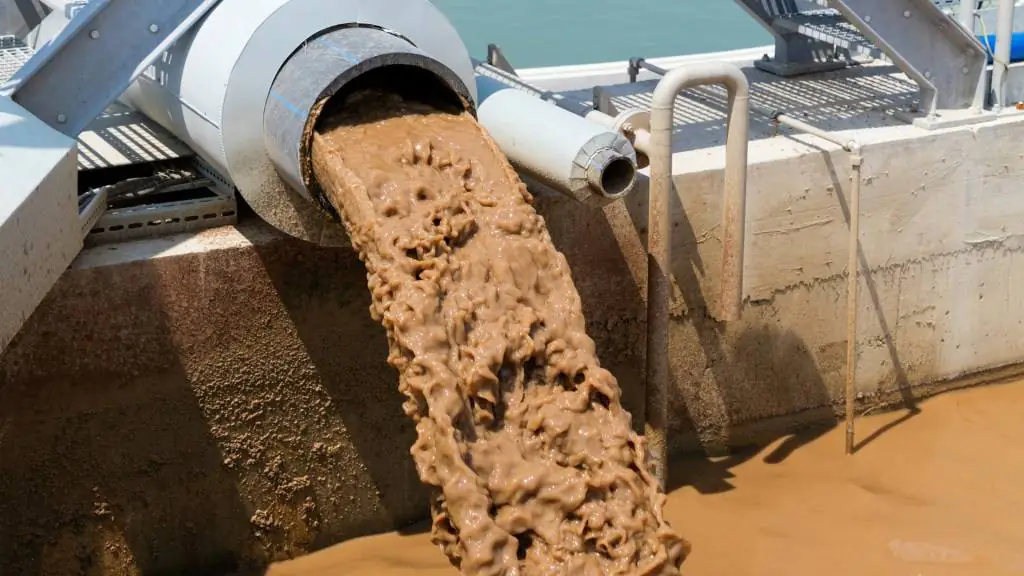
Color and Appearance Fresh, active sludge carries a warm brown color with a slight sheen. Aged sludge shifts toward dark gray or black and loses that surface sheen entirely. If you’re seeing that color change, the microbial community is already under stress. Black coloration with odor usually indicates localized anaerobic conditions developing within the floc — a sign that aging has been progressing for some time.
Supernatant Clarity Paradoxically, very clear supernatant after settling can be a warning sign rather than a positive indicator. When sludge ages and microbial activity drops, organic removal appears high because the surviving microbes are consuming what little substrate remains — but the system has lost the biological resilience to handle load fluctuations. Paired with fast settling, very clear supernatant strongly suggests aging rather than healthy performance.
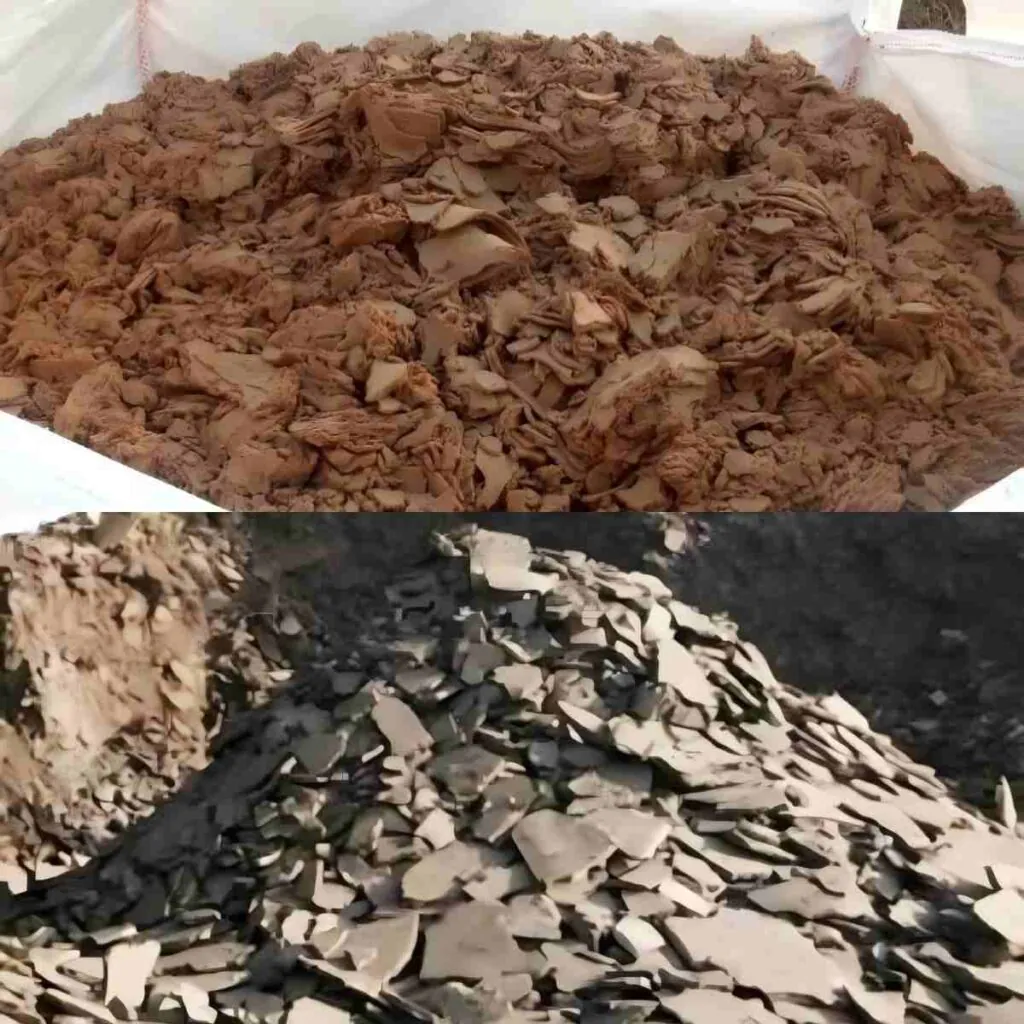
Sludge Compaction Pattern Aged sludge compacts into a tight, dense layer — operators sometimes describe it as a “carpet” at the bottom of the settling tank. This compacted structure indicates that extracellular polymer substances (EPS) in the floc have changed character, reducing the open, water-releasing structure of healthy floc and creating a dense matrix that dewaters poorly.
Microscopic Examination A basic microscope check takes ten minutes and tells you more than most other tests combined. Healthy activated sludge shows diverse protozoa — ciliates, flagellates, rotifers — actively moving through the floc. Aged sludge shows fewer active organisms, darker and more opaque floc particles, and often an increase in filamentous bacteria relative to floc-forming species. If rotifers disappear entirely, the system has been under stress for an extended period.
Key Causes of Sludge Aging: What We See Most Often in the Field
Low System Organic Load
When organic load drops below what the existing microbial biomass needs to sustain itself, microbes shift from growth mode to endogenous respiration — essentially consuming their own cell mass for energy. Over time, the proportion of active, viable cells in the sludge drops while inert cell debris accumulates.
This happens most predictably during production shutdowns. A food processing plant we worked with experienced measurable sludge aging every Monday morning following weekend production stops. By Friday, the biological system had adapted to reduced load; by Monday, SV30 had dropped to 12 minutes and effluent quality had deteriorated enough to require two to three days of recovery before the system performed normally again. The fix was a controlled organic feed during shutdown periods — a small continuous glucose dose maintained enough substrate to keep the microbial population stable through the weekend.
Imbalanced Carbon-to-Nitrogen-to-Phosphorus Ratio
Biological treatment requires carbon, nitrogen, and phosphorus in a ratio of approximately 100:5:1 by mass (BOD:N:P). When influent falls outside this ratio — common in textile, chemical, and some food processing effluents — microbial growth slows and sludge age increases relative to the organic load being processed.
A textile factory in our network diagnosed persistent aging traced to a C:N:P ratio running at approximately 100:2:0.5 — severely deficient in both nitrogen and phosphorus. Adding urea as a nitrogen source and monoammonium phosphate as a phosphorus supplement at calculated doses restored the ratio to 100:5:1 within two weeks, after which SV30 normalized and effluent TSS dropped by 35%.
Over-Aeration
This one surprises operators who associate more aeration with better performance. Sustained dissolved oxygen above 4 mg/L for eight or more hours pushes microbes into excessive endogenous respiration, accelerating cell decay and increasing the proportion of inert solids in the mixed liquor. We documented this pattern at a municipal plant running blowers continuously at maximum capacity during low-flow nighttime periods — DO was consistently hitting 5.5–6.0 mg/L between midnight and 6 AM, and the sludge showed clear aging characteristics by mid-week despite adequate organic loading during daytime hours.
The fix was variable frequency drive (VFD) control on the blowers with DO setpoints at 1.5–3.0 mg/L — the range that supports nitrification and aerobic heterotrophic activity without driving excess endogenous respiration.
Excessive Sludge Retention Time (SRT)
SRT is the single most important operating parameter controlling sludge age, and it’s the one most frequently left unmanaged in smaller facilities. When SRT extends beyond 20–25 days in a conventional activated sludge system, dead cell debris accumulates faster than it can be wasted, MLSS rises, and the ratio of active volatile solids to total solids decreases. The system appears to have high biomass but delivers declining biological performance.
The calculation is straightforward: SRT = (MLSS × Aeration Tank Volume) / (Daily Wasted Sludge Volume × Waste Sludge TSS). Targeting SRT of 10–20 days for most municipal and industrial systems gives the best balance between treatment stability and sludge activity. Reducing SRT from 30 to 15 days typically takes two to three weeks to show measurable improvement in sludge settleability and effluent quality.
Excessively High MLSS Concentration
Running MLSS above 6,000–8,000 mg/L creates substrate limitation — there are more microbes competing for available nutrients than the influent load can support. A refinery we consulted had allowed MLSS to climb to 8,200 mg/L during a period of reduced production. Gradually wasting sludge to bring MLSS back to 4,500–5,000 mg/L over three weeks restored effluent COD to target levels and reduced PAM consumption in the downstream dewatering step by approximately 20%.
Solutions: How to Fix and Prevent Sludge Aging
| Problem | Target Parameter | Corrective Action | Recovery Timeline |
|---|---|---|---|
| Low organic load | F/M ratio < 0.05 kg BOD/kg MLSS·d | Add supplemental carbon source; reduce MLSS by wasting | 1–3 weeks |
| Over-aeration | DO > 4 mg/L sustained | Reduce blower output; install DO control; use intermittent aeration | 1–2 weeks |
| Nutrient imbalance | C:N:P ≠ 100:5:1 | Dose urea (N) or phosphoric acid (P) at calculated rates | 2–4 weeks |
| SRT too high | SRT > 25 days | Increase daily wasting rate; target SRT 10–20 days | 2–3 weeks |
| MLSS too high | MLSS > 7,000 mg/L | Gradual controlled wasting to 3,000–5,000 mg/L target | 2–4 weeks |
The most important thing we tell operators dealing with active sludge aging: don’t try to fix everything at once. Changing aeration, wasting rate, and nutrient dosing simultaneously makes it impossible to identify which intervention is working. Prioritize DO control first — it’s the fastest to adjust and often the dominant factor — then address SRT and nutrient balance as secondary steps.
Real Case: How a Brewery Recovered $12,000 Per Year in Penalty Costs
A mid-sized brewery contacted us after persistent effluent COD violations that were generating approximately $1,000 per month in regulatory penalty payments. Initial site assessment found classic aging indicators: SV30 of 80% settling in 10 minutes, dark gray sludge color, SRT of 28 days, and DO readings consistently above 5 mg/L during overnight low-flow periods.
We implemented three changes over a two-week period. First, aeration was reduced from continuous 24-hour operation to 16 hours per day with DO setpoint at 2.5 mg/L during active aeration periods. Second, molasses was added at a calculated dose to correct a carbon deficit during low-production weekends, bringing C:N:P back to approximately 100:5:1. Third, daily sludge wasting was increased to bring SRT from 28 days down to a target of 14 days over three weeks.
Results after 30 days: effluent COD stabilized below 50 mg/L against a permit limit of 80 mg/L, SV30 normalized to 28% at 30 minutes, and sludge color returned to healthy brown. Penalty payments stopped entirely, representing $12,000 per year in recovered costs — against an implementation cost of approximately $800 in supplemental carbon and two weeks of adjusted operations.
FAQ
Q: How do I calculate SRT and how often should I adjust sludge wasting to prevent aging?
A: SRT = (MLSS mg/L × Tank Volume L) ÷ (Waste Sludge Flow L/day × Waste TSS mg/L). Calculate it weekly at minimum. For most systems, target 10–20 days and adjust wasting rate if SRT drifts more than 20% outside that range. Daily small adjustments beat infrequent large corrections every time.
Q: What is the difference between sludge aging and sludge bulking, and how do I tell them apart?
A: Aging produces fast-settling, dense sludge with clear supernatant and low SV30. Bulking produces slow-settling, fluffy sludge with high SV30 (often > 90%) caused by filamentous bacteria overgrowth. They look opposite in the SV30 test — bulking sludge won’t settle, aged sludge settles too fast. Treatment is also opposite: bulking needs chlorination or peroxide shock dose; aging needs reduced SRT and nutrient correction.
Q: How long does it take for aged sludge to fully recover after corrective action?
A: Expect 2–4 weeks for measurable improvement, 4–8 weeks for full recovery in most cases. The biological community rebuilds gradually — you can’t rush microbial regrowth. Start seeing SV30 normalize within 10–14 days of correcting aeration and SRT, but effluent quality may lag another week or two behind sludge health indicators.
Catch Sludge Aging Early — the Cost of Waiting Is Always Higher
The consistent lesson from every sludge aging case we’ve worked through is that the problem is cheap to fix when caught early and expensive when it isn’t. Weekly SV30 tests, basic color observation, and a monthly SRT calculation cost almost nothing. Recovering from a fully aged system — or paying regulatory penalties while the biological community rebuilds — costs significantly more than that.
If your plant is showing any of the indicators described here and you’d like a second opinion on your operating parameters, our technical team is available for system reviews and can recommend targeted corrective measures based on your specific influent characteristics and treatment objectives. Contact us to arrange a consultation.