
In modern wastewater treatment systems, pH is not only a basic monitoring index but also a critical control parameter.
Even small pH changes may cause serious problems:
❌ poor flocculation,
❌ weak phosphorus removal,
❌ incomplete denitrification,
❌ sludge bulking by filamentous bacteria.
This article explains how pH affects five main treatment stages, giving engineers practical guidance.
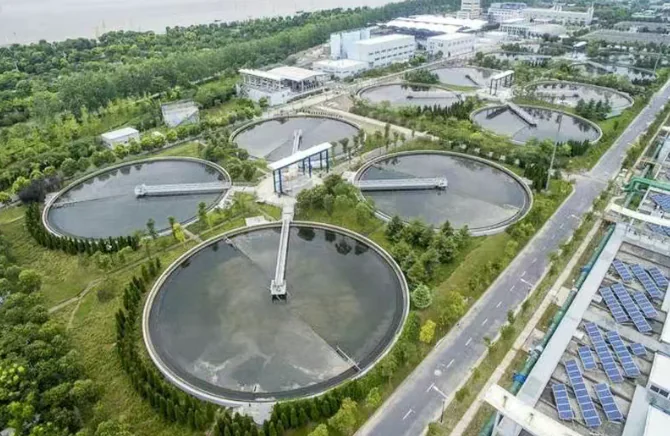
⚗️ Physical-Chemical Treatment: pH and Flocculation
In coagulation, sedimentation, or flotation units, pH should stay between 6.5–8.0.
- pH > 9 → higher chemical use, weaker flocculation.
- pH < 6 → poor floc formation, hard to settle. 👉 Especially during phosphorus removal or chemical dosing in final clarifiers, unstable pH can cause SS increase and turbidity problems.
🧪 Anaerobic Stage: pH Affects PAOs and Methanogens
In UASB and anaerobic tanks, pH should stay at 6.5–8.0.
- Too low pH → PAOs cannot release phosphorus well.
- Methanogens lose activity → VFA accumulates → acidification → upstream biological treatment becomes unstable.
💧 Denitrification: pH Needs Precise Balance
The denitrification process produces alkalinity, which gives some buffering. But when pH < 6.8 or > 7.5, denitrifying bacteria loses activity. ⚠️ This leaves nitrate in effluent and makes total nitrogen harder to meet standards.
🌬️ Aerobic Nitrification: Low pH Blocks Nitrifiers
Nitrification consumes a lot of alkalinity, so real-timepH monitoring is needed.
- pH < 7.0 → nitrifiers slow down → ammonia removal drops → risk of NH₄⁺ discharge.
🦠 Filamentous Bacteria Growth: Low pH Favors Expansion
At pH 4.5–6.5, filamentous bacteria grow faster than floc-forming bacteria.
- Result → sludge bulking, poor settling, and effluent quality risk.
- Often linked with nutrient imbalance + low pH conditions.
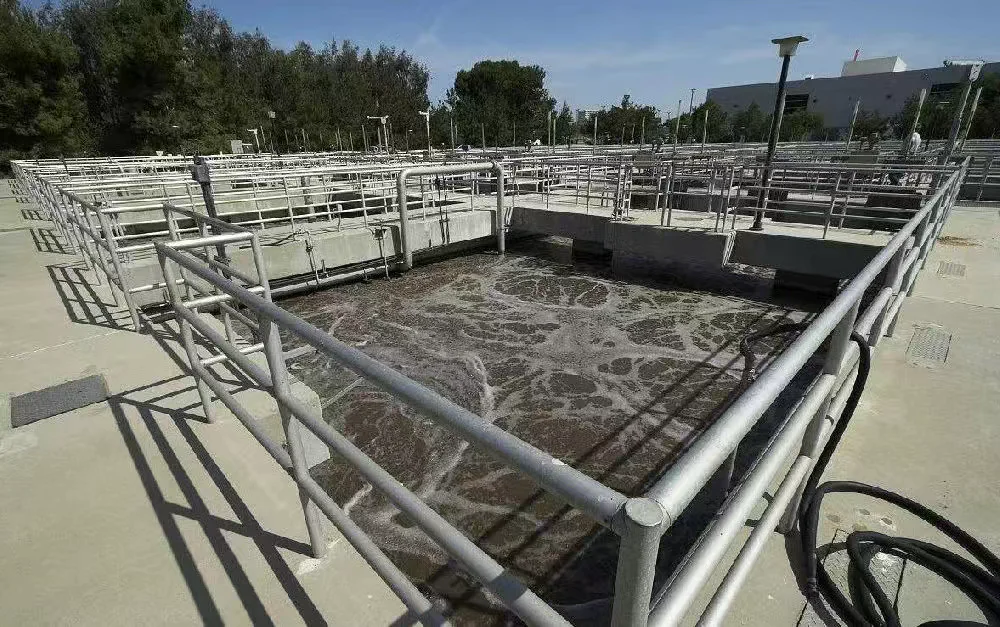
🔑 Key to Stability: Dynamic pH Control
For both industrial wastewater and municipal treatment plants, pH control is now a key factor of stable and smart operation.
Best practice:
✅ Online pH monitoring
✅ Alkalinity adjustment strategy
✅ Automatic dosing systems
→ Together, these achieve “front-end stability, mid-process buffering, and final-stage correction.”