Skip to content
In summer, many wastewater treatment plants experience floating sludge in secondary sedimentation tanks. This problem directly affects effluent quality and may lead to system instability if not handled in time.
This article analyzes floating sludge from two perspectives and provides targeted control suggestions based on practical operation experience.
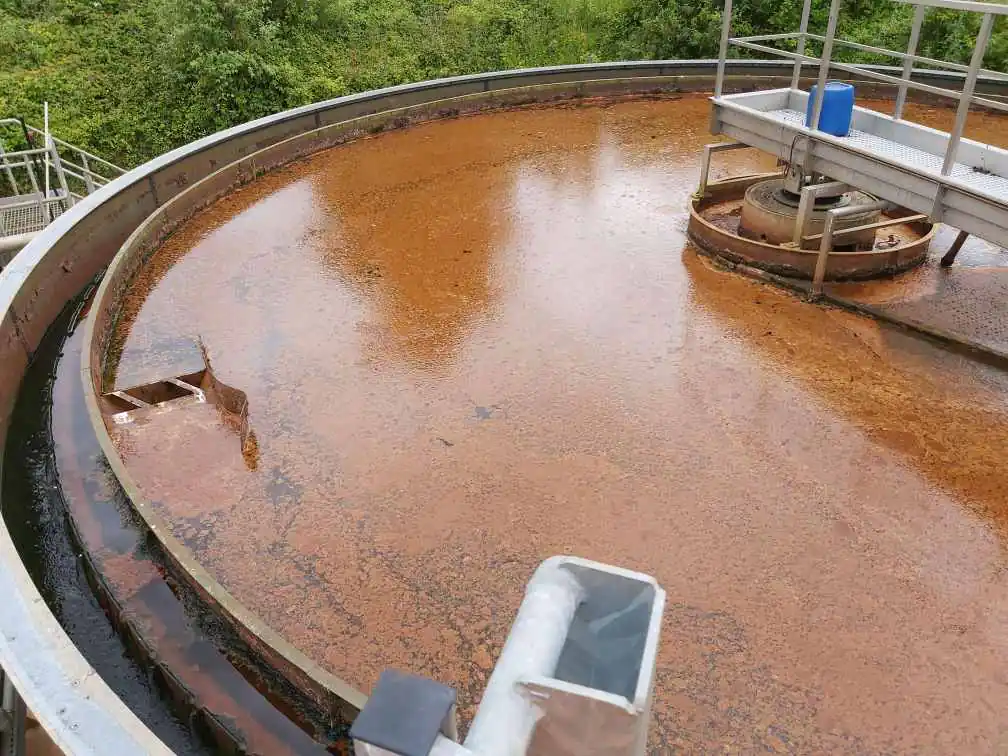
1. Why Does Floating Sludge Occur?
Floating sludge is not caused by a single factor. Common reasons include biological, hydraulic, and operational issues.
1. Anaerobic or Anoxic Gas Production
When sludge stays under anaerobic or anoxic conditions, it may ferment and produce gas. The generated gas attaches to sludge flocs and pushes them upward, causing floating sludge.
2. Sludge Bulking
Filamentous bacteria or other bulking causes reduce sludge settling ability. As a result, solid–liquid separation becomes difficult in the secondary tank.
3. Sludge Deflocculation or Disintegration
Broken sludge flocs form fine particles. These particles have poor settling properties and are easily carried upward by water flow.
4. Equipment or Structural Problems
Issues such as:
- Dead zones in the tank
- Malfunctioning sludge scrapers
- Delayed sludge removal
can all contribute to sludge accumulation and floating.
5. Poor Process Control
Abnormal operating conditions, including:
- Dissolved oxygen (DO)
- pH
- Temperature
- Nutrient ratio
- Sludge concentration
may destabilize the biological system and trigger floating sludge.
2. Common Causes of Floating Sludge in Summer
Based on field experience, summer floating sludge usually falls into two main types:
- Bulky sludge rising
- Fine-particle sludge rising
Understanding the difference helps identify the root cause and apply proper control measures.
Bulky Sludge Rising
This type is closely related to gas production within sludge.
Anaerobic Fermentation Gas
High temperature, insufficient sludge return, or thick sludge layers may create local anoxic or anaerobic zones.
Sludge fermentation produces gas, which lifts sludge to the surface.
Denitrification Gas
If nitrate nitrogen from the aerobic tank is not effectively returned to the anoxic zone, it may enter the secondary clarifier.
Under low DO conditions, denitrification occurs, releasing nitrogen gas and causing sludge flotation.
Control suggestion:
- Increase DO at the end of the aeration tank
- Optimize the internal return ratio
- Prevent denitrification in the secondary sedimentation tank
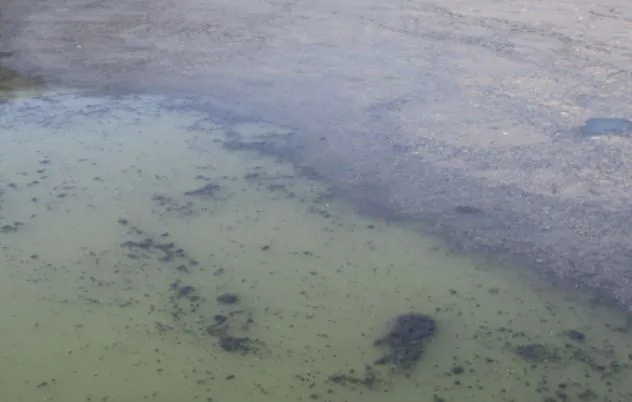
Fine-Particle Sludge Rising
Fine-particle sludge flotation is common under the following conditions:
- Excessive aeration
High aeration intensity or low organic load damages sludge floc structure. - Aged sludge
Long-term low-load operation or excessive sludge age produces weak, fine particles. - High hydraulic load
Sudden influent increase shortens settling time, allowing fine particles to escape. - Sludge floc disintegration
Broken flocs form particles that settle poorly.
Control suggestion:
- Adjust aeration intensity properly
- Control sludge age
- Maintain stable influent load
- Optimize key operational parameters
Conclusion
Floating sludge in summer may appear common, but it usually indicates underlying process or operational problems.
By:
- Distinguishing sludge types
- Analyzing root causes
- Optimizing process parameters
- Improving daily operation and management
wastewater treatment plants can effectively reduce floating sludge, maintain system stability, and ensure effluent quality meets discharge standards.
💬 Share your experience!
If you have additional insights or practical tips on controlling floating sludge, feel free to leave a comment below.