Skip to content
Polyacrylamide (PAM) is widely used in coal washing plants due to its excellent flocculation and dewatering performance. It plays an important role in solid–liquid separation, wastewater treatment, and coal slime management. When selected and applied correctly, PAM can significantly improve washing efficiency and reduce operating costs.
1. PAM as a Flocculant in the Coal Washing Process
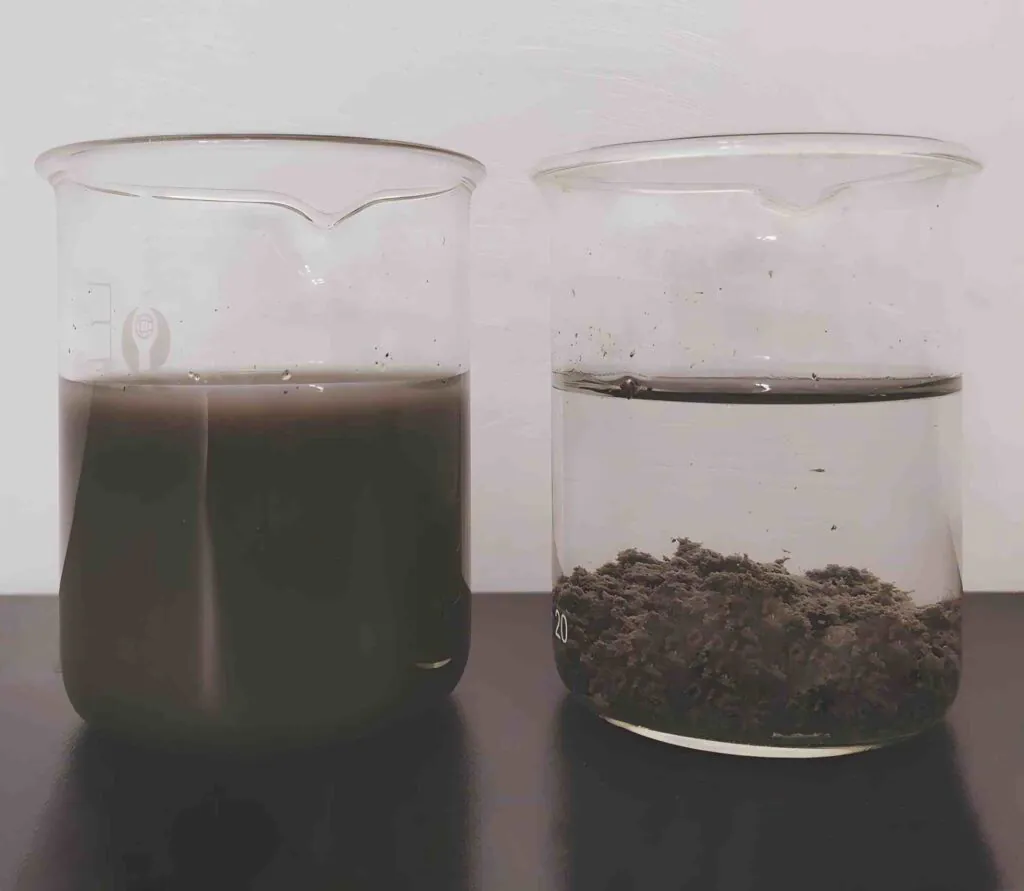
During coal washing, a large number of fine particles are generated, including coal fines, soil, rock debris, and organic impurities. These particles remain suspended in water and are difficult to settle naturally.
PAM acts as a high-efficiency flocculant by bridging fine particles together and forming larger, heavier flocs. This process accelerates sedimentation and improves solid–liquid separation, resulting in clearer process water and higher coal recovery.
2. PAM for Coal Washing Wastewater Treatment
Coal washing wastewater usually contains high concentrations of suspended solids (SS) and organic matter. Direct discharge without treatment can cause serious environmental pollution.
By adding PAM, suspended particles aggregate into larger flocs that are easier to settle, filter, or press. This improves wastewater clarification efficiency and helps treated water meet discharge or reuse standards.
Proper PAM dosing can also reduce sludge volume and lower overall treatment costs.
3. PAM for Coal Slime and Mud Dewatering
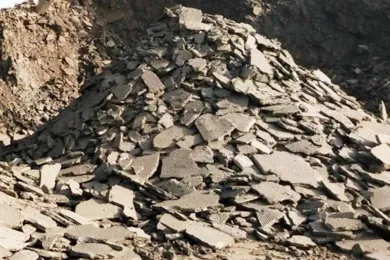
Coal washing produces large amounts of coal slime and mud with high water content. This sludge is difficult to handle and transport.
PAM is commonly used as a sludge dewatering agent. After dosing, sludge flocs become stronger and release free water more easily. As a result, the solid content of the sludge increases, and moisture content decreases, improving dewatering efficiency in belt presses, centrifuges, or plate-and-frame filter presses.
4. PAM for Coal Surface Modification and Flotation
PAM can adsorb onto the surface of coal particles and modify their surface properties. This helps improve coal flotation performance by enhancing particle selectivity and separation efficiency.
With proper molecular weight and ionic type selection, PAM can support better flotation results and improve the overall washing effect.
5. Selection and Application Notes
To achieve the best performance, PAM should be selected and applied based on:
- Coal type and particle size
- Wastewater characteristics
- Required settling or dewatering performance
- Equipment type and operating conditions
Incorrect PAM type or overdosing may reduce efficiency or increase costs, so on-site testing and gradual adjustment are recommended.
Conclusion
Polyacrylamide (PAM) plays a critical role in coal washing plants, including flocculation, wastewater treatment, sludge dewatering, and flotation improvement. With proper selection and controlled dosing, PAM can enhance process efficiency, reduce water consumption, and support cleaner, more sustainable coal production.