
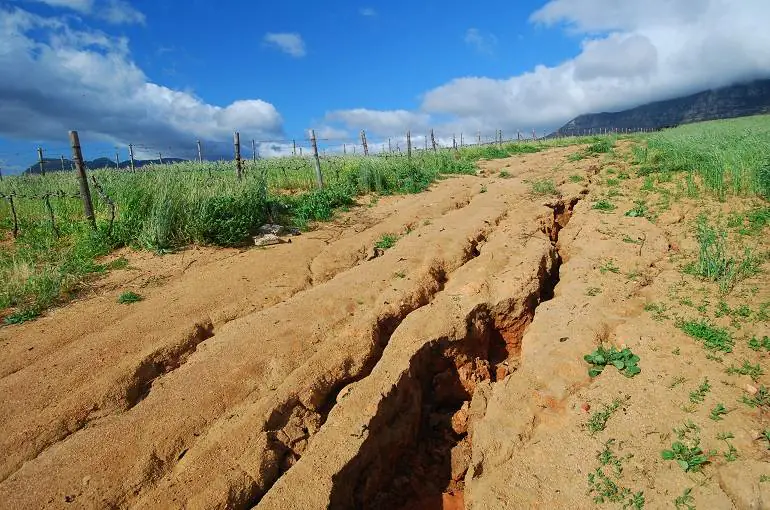
Soil erosion caused by wind and water is a major environmental challenge worldwide. It leads to the loss of fertile topsoil, sediment pollution in rivers and lakes, and reduced agricultural productivity. In construction and land development projects, uncontrolled erosion can also result in regulatory penalties and increased maintenance costs.
One of the most effective modern technologies for erosion control is the use of polyacrylamide (PAM). PAM is a water-soluble polymer that improves soil structure, stabilizes fine particles, and significantly reduces runoff and sediment loss.
Polyacrylamide, commonly referred to as PAM, is a synthetic polymer derived from acrylamide. When applied to soil or water, PAM binds soil particles together, enhances water infiltration, and minimizes surface erosion. It is widely used in agriculture, construction sites, slope protection, and land reclamation projects.
How Polyacrylamide Works in Erosion Control
The erosion control performance of PAM is based on particle binding and water management mechanisms. When PAM is dissolved in water and applied to soil surfaces, it interacts with soil particles through electrostatic attraction and hydrogen bonding.
Key Mechanisms
Flocculation of Soil Particles
PAM causes fine clay and silt particles to aggregate into larger and heavier flocs. These aggregates are more resistant to detachment by rainfall or surface runoff.
Surface Stabilization
PAM forms a thin, invisible polymer film on the soil surface. This improves soil structural integrity and reduces soil crusting caused by raindrop impact.
Increased Water Infiltration
PAM-treated soil allows water to infiltrate into the ground rather than flowing over the surface. This reduces runoff volume and improves soil moisture availability for plant growth.
Sediment Reduction in Runoff
Flocculated particles settle rapidly, minimizing sediment transport into drainage systems, rivers, and reservoirs.
Types of PAM Used in Erosion Control
| PAM Type | Charge | Function | Typical Applications |
|---|---|---|---|
| Anionic PAM | Negative | Binds positively charged soil particles; high flocculation efficiency | Agriculture, construction sites, slopes |
| Non-ionic PAM | Neutral | Used where ionic interaction is limited | Soil conditioning, turf management |
| Cationic PAM | Positive | Strong charge neutralization | Industrial flocculation (not recommended for erosion control) |
Anionic polyacrylamide (APAM) is the preferred choice for erosion control due to its high efficiency, low toxicity, and excellent compatibility with soil and vegetation.
Application Methods
PAM can be applied using different methods depending on site conditions and erosion control objectives.
Dry Granular Application
Dry PAM granules are broadcast onto soil surfaces or mixed into soil before irrigation or rainfall. This method is common in irrigated agriculture and land reclamation projects.
Solution Application
PAM is dissolved in water and sprayed directly onto the soil surface. This provides fast coverage and strong erosion resistance on slopes, embankments, and construction sites.
Irrigation Water Treatment
PAM solution is injected into irrigation systems to prevent furrow and sprinkler erosion. Typical concentrations range from 1 to 10 mg/L, depending on soil texture and slope.
Hydroseeding and Mulching
PAM is mixed with mulch or fiber materials in hydroseeding applications. This improves adhesion, soil binding, and seed-to-soil contact during vegetation establishment.

Typical Application Rates
| Application Type | Dosage Range | Notes |
|---|---|---|
| Agricultural irrigation water | 1–10 mg/L | Controls furrow and sprinkler erosion |
| Surface spray (construction slopes) | 5–20 kg/ha | Apply evenly before rainfall |
| Hydroseeding / mulching | 1–2 kg per 1000 L slurry | Improves soil binding and seed retention |
| Sediment ponds | 0.5–2 mg/L | Enhances particle settling |
Note: Site-specific soil testing is recommended to determine optimal dosage.
Benefits of Using PAM for Erosion Control
Significant Reduction in Soil Loss
Under proper conditions, PAM can reduce soil erosion by 90–95%.
Improved Water Quality
Effectively lowers sediment, phosphorus, and nitrogen runoff into surrounding water bodies.
Enhanced Water Infiltration
Promotes better soil moisture retention for crops and vegetation.
Compatibility with Other Measures
Works synergistically with mulching, vegetation, geotextiles, and physical erosion controls.
Low Environmental Impact
Environmental-grade anionic PAM is non-toxic, biodegradable over time, and safe for plants and aquatic life when used correctly.
Cost-Effective Solution
Low application rates and long-lasting effects reduce labor and maintenance costs.
Field Applications
Agriculture
Controls erosion in furrow and sprinkler irrigation. Improves soil structure and reduces nutrient loss.
Construction Sites
Stabilizes disturbed soil and slopes during earthworks and infrastructure development.
Mining and Land Reclamation
Used for tailings management and revegetation of disturbed land.
Roadside and Slope Protection
Prevents erosion on embankments, drainage ditches, and roadside slopes.
Environmental and Safety Considerations
- Anionic PAM is safe for soil, plants, and aquatic life when applied as recommended
- Avoid cationic PAM near waterways due to potential fish toxicity
- PAM degrades gradually through UV exposure, oxidation, and microbial activity
- Environmental-grade PAM should contain <0.05% residual acrylamide monomer
Conclusion
Polyacrylamide (PAM) is one of the most effective and sustainable tools available for soil erosion control. Through flocculation, surface stabilization, and infiltration enhancement, PAM significantly reduces sediment loss and protects water quality.
When environmental-grade anionic PAM is applied correctly, erosion control projects can achieve long-term soil stability, clearer runoff water, and improved land productivity—making PAM a key technology in modern soil conservation and watershed management.

