
In the evolving world of industrial chemistry and environmental science, polyacrylamide (PAM) has emerged as a key factor—not merely a supporting additive—in many critical industrial and environmental processes. From municipal wastewater treatment and mineral processing to oilfield recovery and agriculture, this water-soluble polymer operates quietly behind the scenes, yet its impact is profound.
PAM may not attract attention outside technical fields, but modern infrastructure, resource efficiency, and environmental compliance would be far more difficult to achieve without it. This article explains why polyacrylamide is not only important, but irreplaceable across multiple global industries.
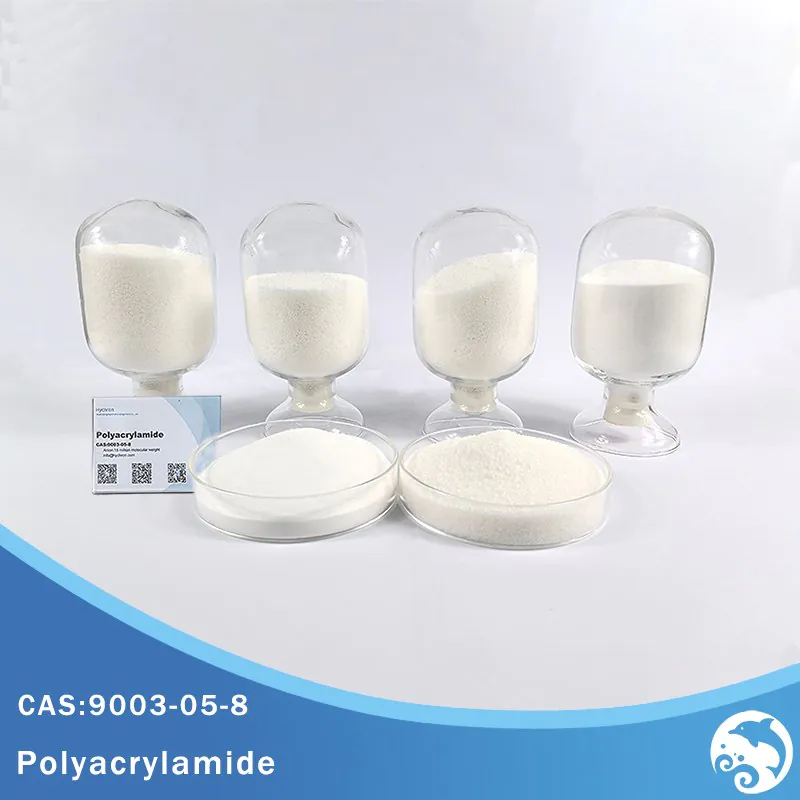
Understanding Polyacrylamide at the Molecular Level
Polyacrylamide is a high-molecular-weight polymer produced by polymerizing acrylamide monomers. By modifying its structure, manufacturers can produce anionic, cationic, or nonionic PAM, each designed to interact differently with solids, liquids, and surfaces in aqueous systems.
Unlike traditional chemical reagents, PAM works primarily through physical mechanisms:
- Polymer bridging between particles
- Charge neutralization
- Viscosity modification
- Surface interaction and stabilization
This allows PAM to control particle behavior without triggering unwanted chemical reactions. Its stability, predictability, and tunability are the foundation of its industrial value.
A Critical Component in Water and Wastewater Treatment
One of the most important applications of polyacrylamide is water and wastewater treatment. PAM plays a central role in flocculation and solid–liquid separation for both municipal and industrial systems.
Suspended particles such as clay, organic matter, bacteria, and fine solids usually carry surface charges that prevent settling. PAM neutralizes or bridges these particles, forming larger flocs that can be removed by sedimentation or filtration.
Compared with using inorganic coagulants alone, PAM offers:
- Higher clarification efficiency
- Lower chemical consumption
- Reduced sludge volume
- Improved operational stability
These advantages make polyacrylamide a cornerstone of sustainable water management.
Enabling Efficiency in Mining and Mineral Processing
In mining and mineral processing, efficient separation of solids and liquids is essential for productivity and environmental safety. PAM is widely used in:
- Tailings thickening and clarification
- Slurry dewatering
- Ore beneficiation and flotation support
By flocculating fine mineral particles, PAM improves water recovery and reduces the footprint of tailings storage facilities. This directly contributes to tailings stability, water recycling, and regulatory compliance.
Without polyacrylamide, many modern mineral processing operations would struggle to meet both performance and environmental standards.
Supporting the Oil and Gas Industry
Polyacrylamide plays several vital roles in oil and gas operations, including:
- Friction reduction in drilling fluids
- Viscosity modification in hydraulic fracturing
- Polymer flooding for enhanced oil recovery (EOR)
In polymer flooding, PAM increases the viscosity of injected water, improving sweep efficiency and mobilizing residual oil. This allows operators to extract more oil from existing reservoirs while reducing water usage and energy demand.
In a sector where efficiency directly impacts profitability, PAM delivers high value at relatively low cost.
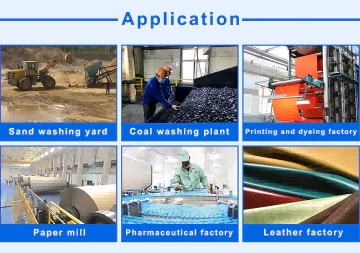
Improving Paper and Pulp Manufacturing
In the pulp and paper industry, PAM functions as a retention and drainage aid. During paper formation, fibers and fillers must be retained efficiently while water is removed rapidly.
Polyacrylamide helps by:
- Improving fiber and filler retention
- Accelerating drainage
- Reducing chemical waste
- Lowering drying energy consumption
Even small efficiency gains translate into significant cost savings in large-scale paper production, making PAM a strategic process additive.
Expanding Use in Construction and Civil Engineering
In construction and tunneling, polyacrylamide is increasingly used for slurry stabilization and soil support. Typical applications include:
- Tunnel boring machine (TBM) slurry control
- Diaphragm wall construction
- Deep foundation drilling
PAM improves slurry consistency, reduces fluid loss, and enhances borehole stability, contributing to safer and more precise construction operations.
Agriculture and Soil Management Applications
In agriculture, PAM is applied as a soil conditioner to combat erosion, improve water infiltration, and enhance soil structure. By binding soil particles, it reduces runoff and sediment loss, especially in irrigated or sloped fields.
Additional agricultural benefits include:
- Improved water use efficiency
- Reduced nutrient leaching
- Enhanced crop resilience in dry conditions
These properties position polyacrylamide as a valuable tool for climate-smart and sustainable agriculture.
Why Polyacrylamide Is So Versatile
The strength of PAM lies in its customizability. Manufacturers can precisely adjust:
- Molecular weight
- Charge density
- Solubility and dispersibility
- Functional group composition
This allows PAM to perform reliably under varying pH levels, temperatures, salinity, and shear conditions. Its non-corrosive and chemically stable nature further expands its usability across industries.
Environmental and Safety Considerations
Polyacrylamide itself is relatively inert and safe. The main safety concern is residual acrylamide monomer, which is tightly controlled in industrial-grade products.
- Reputable manufacturers keep residual acrylamide below regulatory limits (typically <0.05%)
- Ongoing research focuses on biodegradable variants and greener production methods
Advances in cross-linked hydrogels, enzyme-degradable polymers, and nano-composites continue to improve PAM’s environmental profile.
A Quiet Catalyst of Modern Industry
Polyacrylamide rarely appears in headlines, yet it quietly enables cleaner water, safer mining, efficient energy production, stronger infrastructure, and sustainable agriculture. Its value lies not in visibility, but in consistent performance at scale.
By reducing waste, lowering costs, and improving process efficiency, PAM exemplifies how molecular-level innovation can drive global industrial progress.
Conclusion
Polyacrylamide is more than a chemical additive—it is a key factor in modern industrial and environmental systems. From water treatment and mining to oil recovery and agriculture, its unique molecular behavior delivers measurable, real-world benefits.
As industries continue to prioritize efficiency, sustainability, and smart resource management, polyacrylamide will remain an essential material—working quietly, but powerfully, molecule by molecule.