
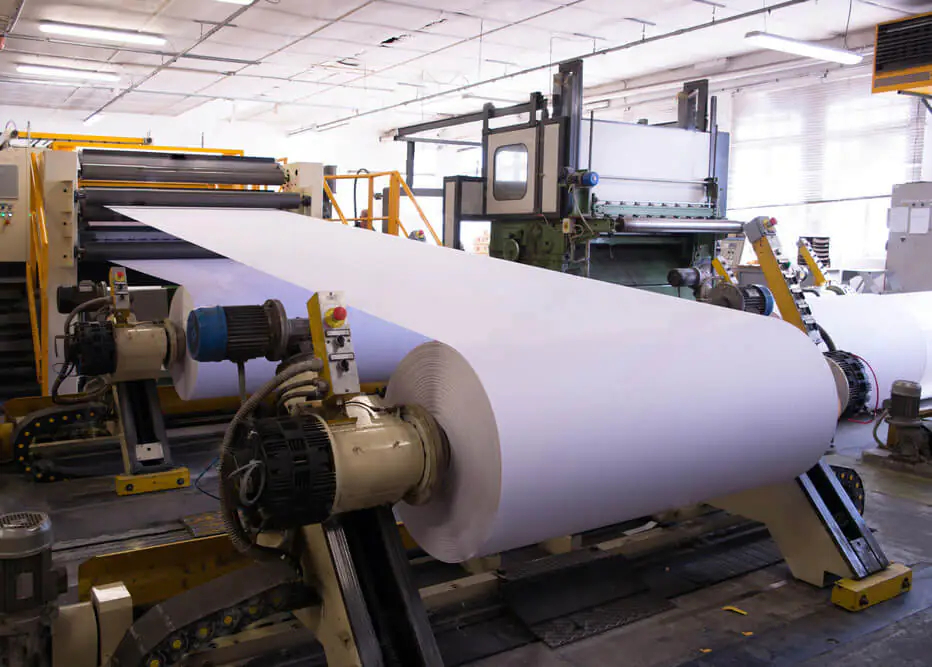
In paper mill wastewater treatment, Polyacrylamide (PAM) has become a highly effective and widely used flocculant. Paper mill effluents are complex in composition, typically containing high levels of suspended solids, fibers, fillers, residual chemicals, and fluctuating water quality. These characteristics make efficient solid–liquid separation both critical and challenging.
By improving flocculation, sludge dewatering, and water clarity, PAM plays a key role in helping paper mills achieve stable operation, regulatory compliance, and sustainable water reuse.
Why Polyacrylamide Is Ideal for Paper Mill Wastewater
1. Efficient Flocculation Performance
PAM contains long molecular chains with active functional groups that can quickly adsorb fibers, fines, fillers, and colloidal particles in wastewater. Through polymer bridging and net-capturing mechanisms, PAM aggregates fine suspended solids into large, dense flocs.
This significantly improves:
- Sedimentation speed
- Clarification efficiency
- Filtration and flotation performance
As a result, downstream treatment units operate more efficiently and reliably.
2. Strong Adaptability to Variable Water Quality
Paper mill wastewater quality often changes due to:
- Different raw materials (wood pulp, recycled paper)
- Variations in additives and chemicals
- Fluctuating production loads
PAM offers excellent adaptability. By adjusting:
- Molecular weight
- Ionic type (anionic, cationic, or nonionic)
- Charge density
the flocculant can be precisely matched to different wastewater conditions, ensuring consistent treatment results even under unstable operating conditions.
3. Reduction of Sludge Volume
One major advantage of PAM is its ability to improve sludge dewatering performance. The flocs formed by PAM are compact and strong, allowing water to be released more easily during thickening, filtration, or centrifugation.
This leads to:
- Lower sludge volume
- Reduced sludge handling and disposal costs
- Improved efficiency of dewatering equipment
For paper mills, this translates directly into economic and operational benefits.
4. Improved Effluent Water Quality
After PAM treatment, paper mill wastewater typically shows clear reductions in:
- Suspended solids (SS)
- Turbidity
- Color
- Chemical Oxygen Demand (COD)
These improvements help treated water meet discharge standards more easily and reduce the load on biological treatment systems.
5. Promotion of Water Recycling and Reuse
With effective flocculation and clarification, treated wastewater can often be reused in:
- Equipment washing
- Cooling systems
- Process water supplementation
This reduces fresh water consumption, supports sustainable water management, and lowers operating costs—an increasingly important goal for modern paper mills.
Key Considerations When Using PAM in Paper Mill Wastewater
1. Accurate PAM Type Selection
Selecting the correct PAM is critical. Depending on wastewater characteristics, the following may be required:
- Anionic PAM – commonly used for fiber and filler removal
- Cationic PAM – effective for organic sludge and biological systems
- Nonionic PAM – suitable for neutral or sensitive systems
Molecular weight and charge degree should always be matched to actual wastewater conditions.
2. Optimal Dosage Control
PAM dosage must be carefully optimized.
- Underdosing results in weak flocculation
- Overdosing increases cost and may destabilize flocs
Jar tests and pilot trials are recommended to determine the most cost-effective dosage.
3. Proper Mixing and Dissolution
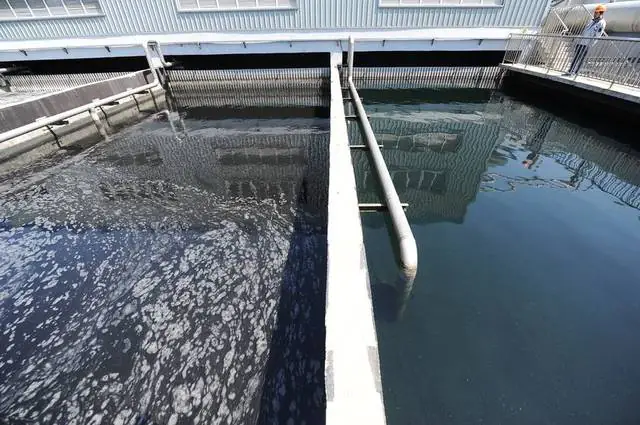
Effective flocculation requires uniform PAM distribution.
Best practices include:
- Proper solution concentration
- Adequate mixing energy
- Correct addition point
Poor mixing can significantly reduce PAM performance.
4. Integration with Post-Treatment Processes
After PAM flocculation, wastewater is typically treated further by:
- Sedimentation
- Filtration
- Flotation
- Biological treatment
Well-formed flocs improve the efficiency of all downstream processes and enhance overall system stability.
Environmental and Economic Benefits
Cost Efficiency
- Lower chemical consumption
- Reduced sludge disposal costs
- Improved water reuse
Environmental Compliance
- Reduced pollutant discharge
- Easier compliance with regulations
- Lower environmental impact
Operational Stability
- Faster solid–liquid separation
- Reduced equipment load
- More stable plant operation
PAM Solutions for Paper Mills
As a professional polyacrylamide manufacturer, HyChron offers specialized PAM products designed specifically for paper mill wastewater treatment, featuring:
- High flocculation efficiency and fast settling
- Customized formulations for different paper processes
- Effective sludge volume reduction
- Improved effluent clarity
- Support for water recycling and reuse
Conclusion
Polyacrylamide (PAM) has proven to be an indispensable flocculant in paper mill wastewater treatment. Its strong flocculation ability, adaptability to variable water quality, sludge reduction performance, and contribution to water reuse make it a superior solution for addressing the complex challenges of paper industry effluents.
With proper selection and application, PAM helps paper mills achieve efficient treatment, lower operating costs, and sustainable environmental performance.