Skip to content
In modern textile manufacturing, production efficiency and environmental compliance are under constant pressure. High water consumption, complex chemical usage, and increasingly strict discharge standards force textile mills to carefully select every auxiliary chemical used in the process.
Polyacrylamide (PAM) is not a single-purpose additive in textiles. Instead, it is a multi-functional polymer applied across wastewater treatment, sizing, dyeing, and printing operations. When properly selected, PAM helps textile plants reduce operating costs, stabilize product quality, and improve environmental performance.
This article is written for textile plant buyers, process engineers, and environmental managers, focusing on how PAM is actually used in textile operations and what procurement should consider before sourcing.
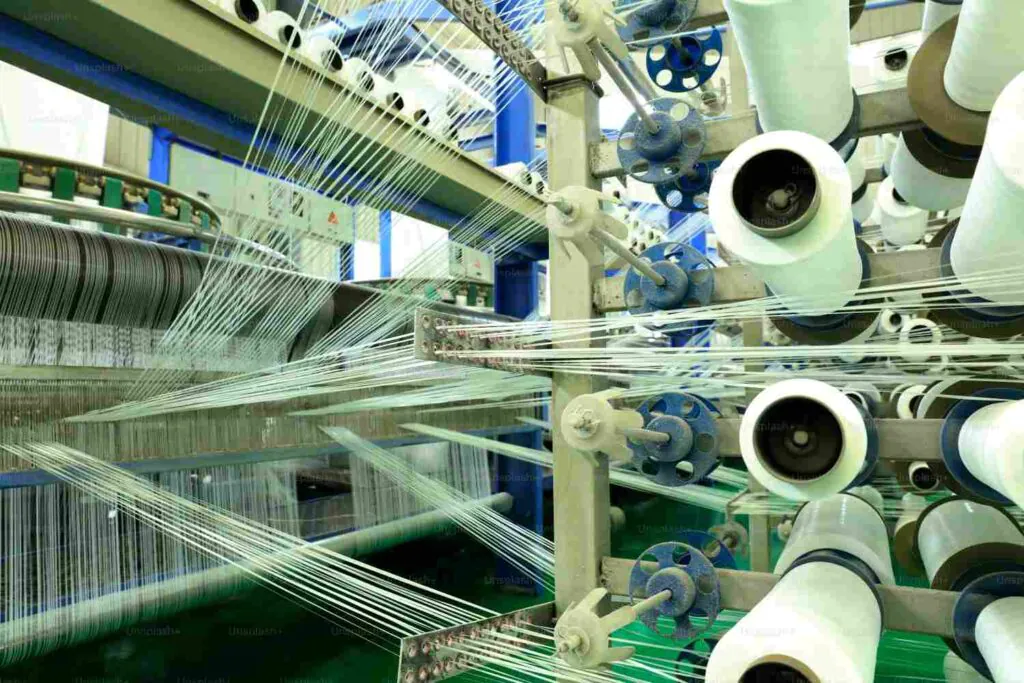
1. PAM in Textile Wastewater Treatment: Compliance First, Cost Second
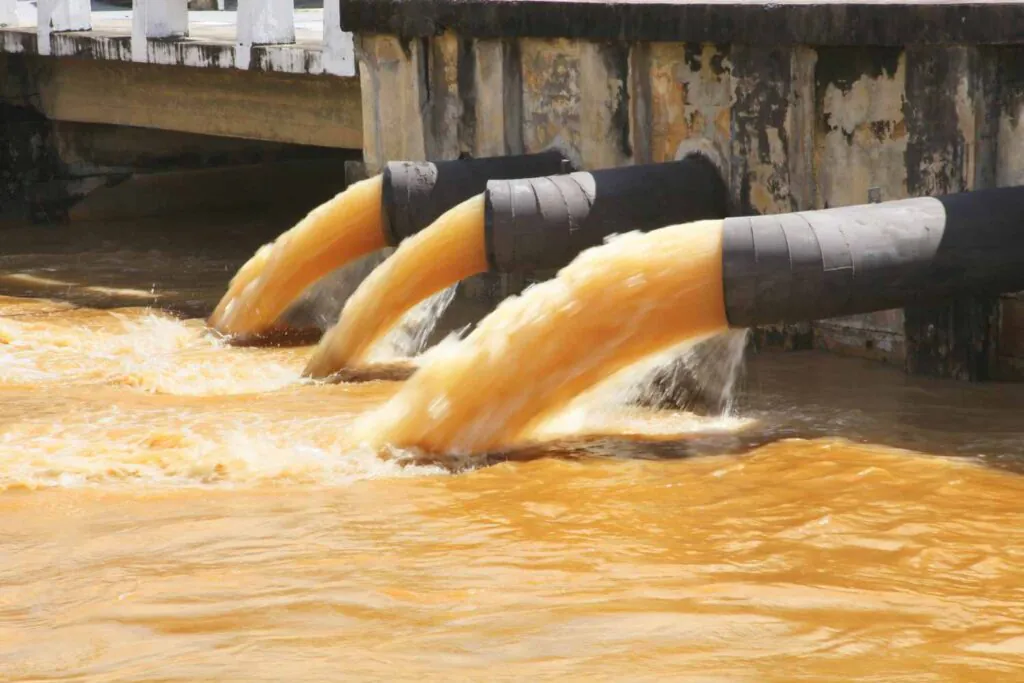
Why Textile Wastewater Is Difficult to Treat
Textile wastewater typically contains:
- High levels of suspended solids
- Residual dyes and pigments
- Surfactants and auxiliaries
- Large COD and color fluctuations
Without effective flocculation, downstream biological treatment systems face overload, unstable performance, and frequent discharge risks.
How PAM Works as a Flocculant in Textile Effluent
Polyacrylamide acts as a bridging flocculant, binding fine particles, dye residues, and colloidal matter into larger flocs that settle or float more efficiently.
- Anionic PAM is commonly used when wastewater contains inorganic particles and pigments
- Cationic PAM is often selected for sludge dewatering
- Nonionic PAM performs well in systems with variable pH or salinity
Proper PAM selection can:
- Reduce effluent turbidity
- Improve color removal
- Lower chemical oxygen demand (COD)
- Reduce sludge volume and disposal cost
Procurement insight:
A slightly higher-quality PAM often reduces total chemical consumption and sludge handling cost over time.
2. PAM as a Sizing Agent: Reducing Breakage and Improving Process Stability
Why Sizing Matters in Textile Production
During weaving and knitting, yarns are exposed to:
- Mechanical friction
- Repeated tension
- Chemical stress during dyeing
Insufficient sizing leads to frequent yarn breakage, machine downtime, and quality defects.
Role of PAM-Based Sizing Agents
Polyacrylamide-based sizing agents form uniform, flexible films on yarn surfaces, improving:
- Tensile strength
- Abrasion resistance
- Surface smoothness
Compared with traditional starch-based sizing:
- PAM offers better consistency
- Lower microbial degradation
- Easier removal during desizing
For procurement teams, PAM sizing agents contribute to higher loom efficiency and reduced reprocessing rates.
3. PAM as a Dispersant in Textile Dyeing: Color Consistency Is the Goal
Common Dyeing Problems Without Proper Dispersion
- Uneven color penetration
- Shade variation between batches
- Dye agglomeration and redeposition
These issues increase re-dyeing rates and customer complaints.
How PAM Improves Dye Dispersion
PAM-based dispersants:
- Prevent dye molecule aggregation
- Maintain stable dye suspension
- Improve color uniformity on fibers
Nonionic PAM is frequently preferred due to its neutral charge and compatibility with various dye systems.
Procurement consideration:
A compatible dispersant PAM reduces dye waste and improves first-pass yield—often outweighing the additive cost itself.
4. PAM as a Thickener in Textile Printing: Precision and Stability
Why Viscosity Control Is Critical
Textile printing pastes require:
- Stable viscosity
- Uniform pigment distribution
- Clean pattern edges
Poor thickening leads to bleeding, blurred patterns, and inconsistent prints.
PAM in Printing Paste Formulation
Polyacrylamide improves paste viscosity without:
- Affecting color strength
- Causing phase separation
- Reducing print clarity
This makes PAM a reliable thickener for:
- Screen printing
- Roller printing
- Digital textile printing systems
From a purchasing standpoint, stable printing performance reduces rejects and improves order consistency.
5. Key Factors Procurement Must Evaluate When Sourcing PAM for Textiles
Many textile plants face performance variation not because PAM is ineffective, but because the wrong type is selected.
Key Selection Criteria
- Ionic type (anionic, cationic, nonionic)
- Molecular weight
- Compatibility with dyes and auxiliaries
- Performance stability under pH and temperature variation
- Regulatory and safety compliance
Best practice:
Always request application-specific testing, not generic product data.
6. Environmental and Regulatory Considerations
With increasing environmental regulations, textile plants must ensure that PAM products:
- Have low residual monomer content
- Meet discharge and safety standards
- Support sustainable wastewater management
Proper PAM use helps textile manufacturers:
- Meet color and COD discharge limits
- Reduce environmental penalties
- Improve corporate sustainability profiles
Conclusion: PAM Is Not a Commodity in Textile Manufacturing
Polyacrylamide plays a cross-functional role in textile production—from wastewater treatment to fabric quality improvement. When selected correctly, PAM becomes a process stabilizer and cost-control tool, not just another chemical expense.
For textile buyers, the key is not choosing the cheapest PAM, but choosing a product that:
- Matches the specific application
- Performs consistently under real operating conditions
- Comes with technical support and testing capability
A well-chosen PAM supplier becomes part of the production system—not a recurring problem to solve.