Skip to content
Clean water is essential for drinking, irrigation, and industrial use. To achieve this, coagulation is one of the most critical steps in modern water treatment systems.
Yet many plant owners still do not fully understand how coagulants work or how to choose the right one. Below are 4 key facts about coagulants for water treatment that directly affect treatment efficiency and operating cost.
1. Coagulation Has Been Used for Thousands of Years
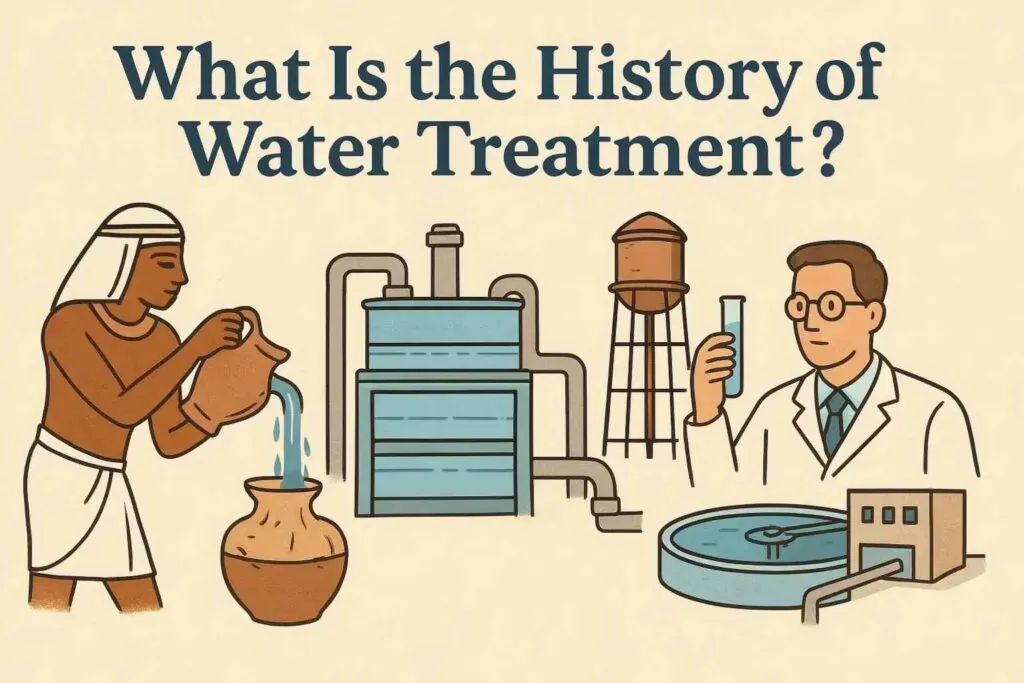
Coagulation is not a new technology. As early as 2000 BC, ancient Egyptians used natural materials to clarify river water. Later, the Romans applied alum as a coagulant around 77 AD.
Today, this process has evolved into advanced chemical solutions such as polyaluminium chloride (PAC) and aluminium-based coagulants, which offer higher efficiency, lower dosage, and more stable performance.
2. Coagulants Remove Suspended Solids by Charge Neutralization
Most suspended particles in raw water carry a negative surface charge. This charge prevents particles from settling naturally.
When a coagulant for water treatment is added:
- The electrical charge is neutralized
- Particles destabilize
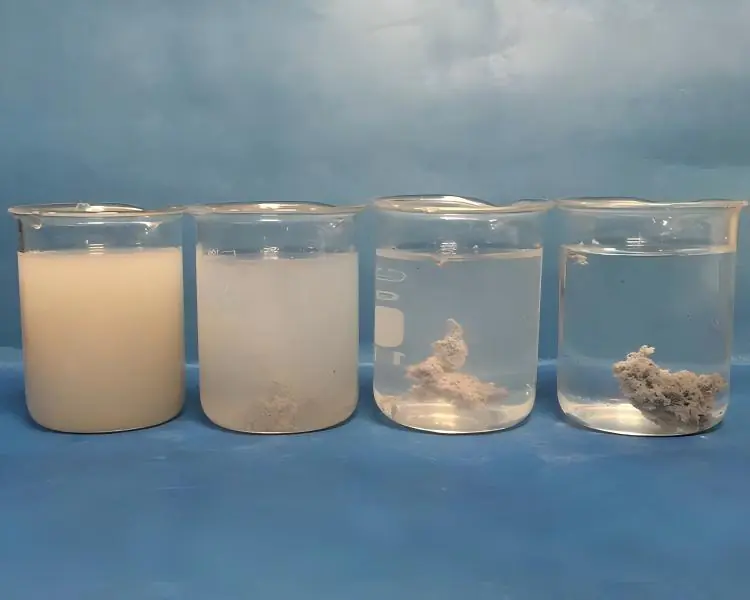
- Small particles combine into larger flocs
These flocs can then be removed through sedimentation or filtration, improving:
- Turbidity removal
- COD reduction
- Overall water clarity
👉 This step is often followed by flocculation using polymer flocculants to further strengthen floc formation.
3. Organic vs Inorganic Coagulants: Which Should You Choose?
There are two main types of coagulants used in water treatment.
Organic Coagulants
Examples include:
- Polyamine
- PolyDADMAC
Advantages:
- Low dosage
- Less sludge
- Minimal pH impact
Limitations:
- Weak metal ion removal
- Limited performance in complex wastewater
Organic coagulants are often used as coagulant aids, rather than standalone solutions.
Inorganic Coagulants
Common inorganic options include:
- Aluminium sulfate
- Ferric chloride
- Polyaluminium Chloride (PAC)
Inorganic coagulants work through the sweep-floc mechanism, forming metal hydroxide precipitates that capture contaminants as they settle.
Among them, PAC stands out because it:
- Requires lower dosage
- Produces less chemical sludge
- Offers strong phosphorus removal
- Performs well across a wide pH range
4. Coagulation Always Works Better with Flocculation
Coagulation alone is rarely enough.
After destabilization, flocculation is needed to:
- Grow floc size
- Improve settling speed
- Enhance sludge dewatering performance
Using a suitable polyacrylamide flocculant after coagulation can:
- Reduce chemical consumption
- Improve effluent clarity
- Lower sludge disposal cost
For most treatment plants, coagulant + flocculant is the most cost-effective solution.
How to Choose the Right Coagulant for Your Plant
The best coagulant depends on:
- Raw water quality
- Turbidity and metal content
- Sludge handling capacity
- Operating budget
If you are unsure, jar testing and supplier technical support are strongly recommended.