Skip to content
In modern papermaking, chemical additives play a critical role in improving paper quality, process stability, and production efficiency. Among these additives, Polyaluminium Chloride (PAC) is increasingly used as a papermaking additive and sizing agent, replacing traditional aluminum sulfate (alum) in many mills.
This article explains whether PAC can be used in papermaking, how it works, and what practical benefits it brings to paper manufacturers.
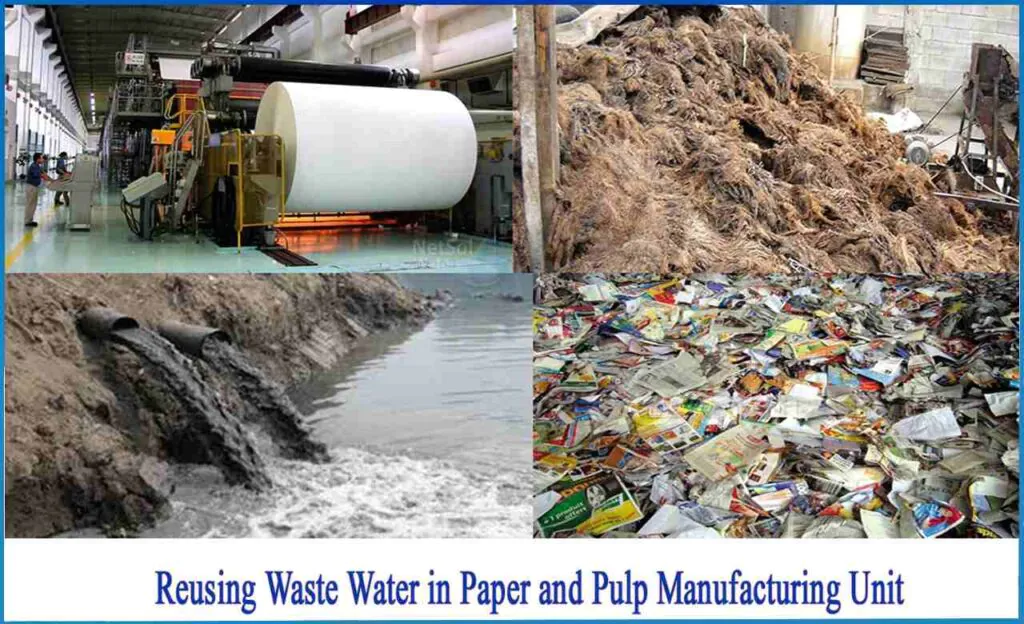
Why Paper Mills Are Replacing Alum with PAC
Traditional aluminum sulfate works well only under acidic conditions, which limits its application in modern papermaking. PAC, as a pre-hydrolyzed aluminum salt, offers better flexibility and stability.
👉 For basic PAC chemistry, see What Is Polyaluminium Chloride (PAC)?
1. Overall Paper Performance Is Improved
When PAC is used as a papermaking additive:
- Most paper performance indicators improve
- Strength, formation, and surface quality show noticeable enhancement
- Only breaking length may show limited change
This makes PAC suitable for both printing paper and packaging grades.
2. Suitable for Acidic and Neutral Papermaking Systems
Unlike aluminum sulfate, which only supports acid sizing, PAC works effectively in:
- Acidic systems
- Neutral papermaking systems
Benefits include:
- Reduced system corrosion
- Easier white water treatment
- Improved machine cleanliness
👉 Related process insight: PAC in Paper Mill Wastewater Treatment
3. Lower Impact on Pulp pH
PAC is a pre-hydrolyzed aluminum chloride, meaning:
- Lower hydrolysis degree
- Smaller pH drop in pulp slurry
- More stable wet-end chemistry
Compared with alum, PAC causes less disturbance to fiber bonding and sizing balance.
4. Enables the Use of Calcium Carbonate Fillers
PAC allows mills to use cheap calcium carbonate (CaCO₃) fillers, which offers:
- Lower raw material costs
- Improved paper whiteness
- Better folding resistance
It also helps overcome common issues of synthetic sizing agents such as:
- AKD slipping
- Difficult sizing control
5. Suitable for High-Quality Paper Production
PAC has:
- White appearance
- Extremely low iron content
This makes it ideal for:
- High-grade printing paper
- Specialty paper
- White board and cultural paper
Iron-related color defects are significantly reduced.
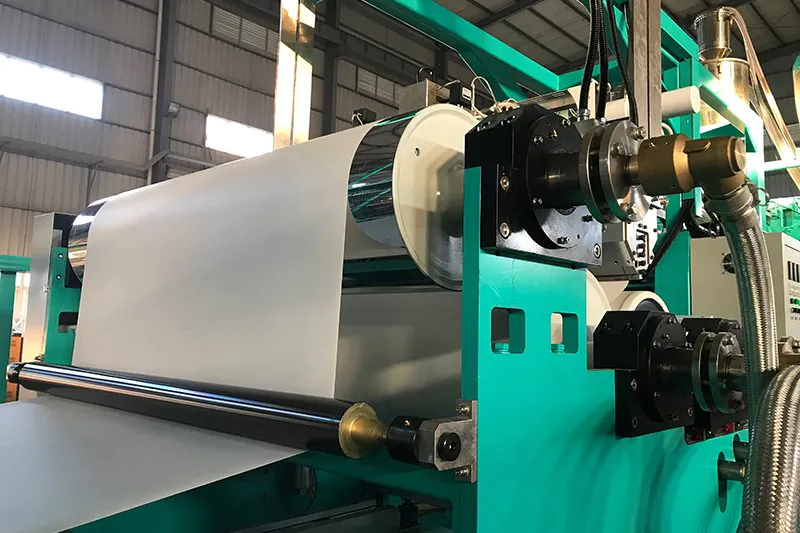
6. Improved Retention and Drainage Performance
Using PAC in sizing improves:
- Fiber retention
- Filler retention
- Filtration and drainage efficiency
This leads to:
- Reduced chemical loss
- Cleaner white water
- Lower overall operating cost
👉 For polymer synergy, see Polyacrylamide (PAM) in Papermaking
7. Strong Flocculation from Polynuclear Aluminum Complexes
PAC contains a large number of stable, positively charged polynuclear aluminum hydroxyl complexes, which:
- Promote effective flocculation
- Enhance sizing efficiency
- Improve wet-end stability
This is particularly beneficial in high-speed paper machines.
Conclusion
Yes — PAC can be effectively used as a papermaking additive.
Compared with traditional alum, PAC offers:
- Broader pH adaptability
- Lower corrosion
- Better filler compatibility
- Improved retention and sizing
- Higher paper quality consistency
For paper mills aiming to reduce costs, improve quality, and stabilize production, PAC is a proven and practical solution.