
In the environmental and water treatment industry, cationic polyacrylamide (CPAM) is widely recognized as a highly effective flocculant for wastewater and sludge treatment, especially in systems with high organic colloid content.
Thanks to its strong adsorption and charge neutralization ability, CPAM has become a core chemical in industries such as dyeing, papermaking, food processing, construction, metallurgy, mineral processing, coal washing, oilfields, aquatic processing, and fermentation.
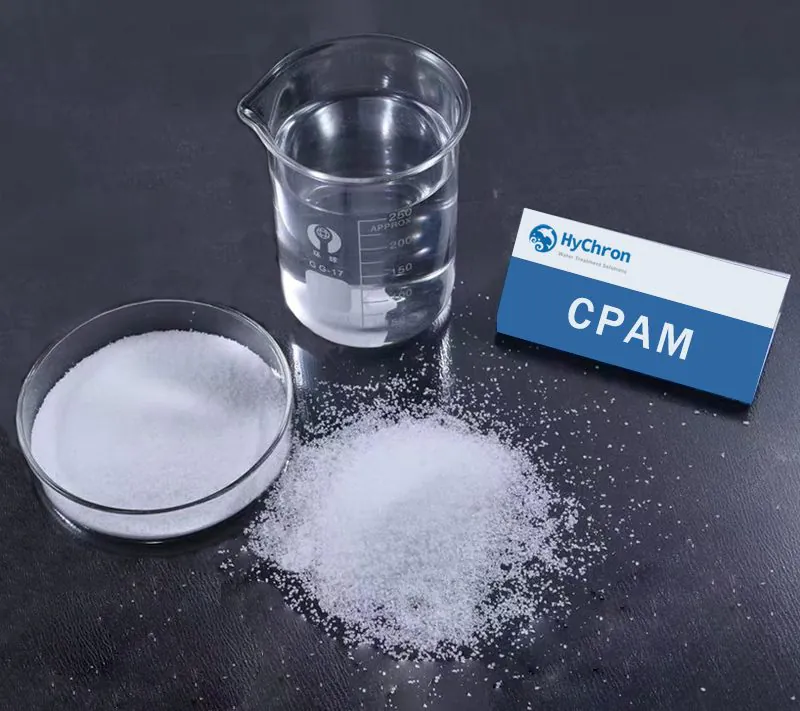
What Is Cationic Polyacrylamide (CPAM)?
Cationic polyacrylamide is a linear, water-soluble polymer containing positively charged functional groups. These active groups allow CPAM to form hydrogen bonds and electrostatic attraction with negatively charged particles such as organic colloids, suspended solids, and sludge flocs.
This molecular structure explains why CPAM is especially effective in:
- Organic-rich wastewater
- Biological sludge dewatering
- Industrial sludge with complex composition
Why CPAM Is Highly Efficient in Wastewater Treatment
Strong Flocculation Ability
The positively charged polymer chains rapidly neutralize negatively charged particles, promoting fast floc formation and solid–liquid separation.
Low Dosage, High Performance
Compared with inorganic coagulants, CPAM requires very low dosage to achieve excellent results, helping operators reduce chemical consumption and operating costs.
Multiple Treatment Functions
CPAM provides more than simple flocculation:
- Turbidity removal
- Decolorization
- Adsorption of organic matter
- Sludge bonding and strengthening
Application of CPAM in Municipal Sewage and Sludge Treatment
In municipal wastewater treatment plants, CPAM is mainly used in:
- Secondary clarification
- Sludge thickening
- Sludge dewatering (belt press, centrifuge, filter press)
Key Benefits for Operators
- Faster sludge settling
- Higher sludge cake dryness
- Reduced sludge volume
- Lower disposal and transport costs
CPAM significantly improves organic matter and suspended solids removal, enhancing overall plant efficiency.
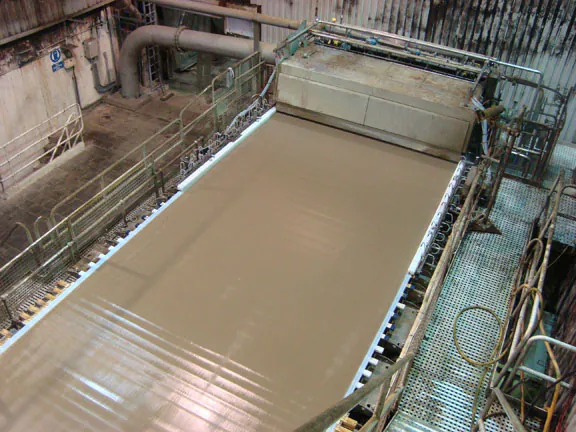
CPAM in Industrial Sludge and Paper Mill Sludge Treatment
Cationic polyacrylamide also plays a critical role in treating paper sludge and other industrial sludges, which often contain high organic content and fine particles.
Practical Advantages
- Improved sludge structure
- Better water release
- Reduced sludge handling difficulty
- Lower energy consumption during dewatering
For paper mills, CPAM is often used together with PAC or retention aids to improve overall system performance.
Environmental and Sustainability Advantages of CPAM
From an environmental perspective, CPAM offers several advantages:
- Does not introduce toxic by-products
- Compatible with existing treatment systems
- Helps reduce total sludge volume
- Supports water reuse and resource recovery
When used correctly, CPAM contributes to more sustainable wastewater management and reduced environmental impact.
How to Select the Right CPAM Grade
For purchasing and technical decision-makers, CPAM selection should focus on:
- Cationic charge degree
- Molecular weight
- Sludge type and pH range
- Dewatering equipment used
Small-scale jar tests are strongly recommended before bulk procurement to ensure optimal performance and cost efficiency.
Conclusion
Cationic polyacrylamide (CPAM) has become an indispensable flocculant in modern wastewater and sludge treatment. Its high efficiency, low dosage requirement, and strong adaptability make it a preferred choice for municipal and industrial applications.
For wastewater treatment plants and industrial users, selecting the right CPAM grade can significantly improve treatment efficiency while reducing overall operating costs.