Skip to content
In field applications of polyacrylamide (PAM), several common problems can occur, such as poor flocculation, sludge pressure, muddy water, and “water poisoning.” This article analyzes these problems and provides practical solutions.
1. Poor Flocculation Effect
1.1 Type Selection
Problem: Using the wrong PAM type, such as cationic PAM for anionic sewage, or molecular weight mismatch.
Solution: Select PAM based on sewage characteristics (pH, suspended solids type, organic content). Conduct small-scale tests to determine the best PAM model.
1.2 Dosage
Problem: Too much or too little PAM reduces flocculation efficiency.
Solution: Determine the optimal dose through testing. Adjust based on actual conditions to avoid overuse or underuse.
1.3 Equipment Matching
Problem: Water pumps, dosing equipment, and flow rates may not match, causing uneven PAM distribution.
Solution: Ensure all equipment is compatible. Regularly check operation, keep equipment clean, and maintain proper function.
1.4 Cylinder, Runway, and Baffle Settings
Problem: Incorrect cylinder length, improper distance, or poorly set baffles can reduce mixing efficiency.
Solution: Set cylinder length, flow path, and baffles based on equipment design and sewage characteristics.
2. Sludge Dewatering Issues
2.1 Inlet and Sludge Pump Pressure
Problem: Low inlet pressure or unstable sludge pump pressure reduces dewatering efficiency.
Solution: Adjust and stabilize inlet and pump pressure to ensure proper operation.
2.2 Backwash and Cloth Cleaning
Problem: Untimely backwashing or dirty filter cloth leads to clogging.
Solution: Perform regular backwashing and clean the filter cloth to keep it smooth.
2.3 High Clay Content
Problem: High clay in sludge increases viscosity and reduces dewatering.
Solution: Add coagulants or other agents to reduce viscosity and improve dewatering.
3. Muddy Water Formation
3.1 Sewage Inlet and Sludge Outlet
Problem: Large inlet flow or poorly designed outlet causes muddy water overflow.
Solution: Design inlet and outlet according to treatment capacity to ensure proper matching.
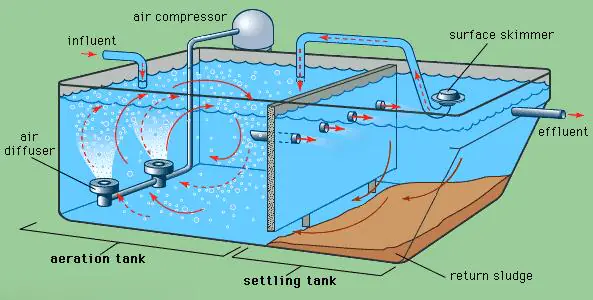
3.2 Sedimentation Tank Capacity and Dosage
Problem: Small tank capacity or excessive PAM dosage prevents sufficient settling.
Solution: Adjust tank size and chemical dosage to provide adequate reaction and settling time.
4. “Water Poisoning” Phenomenon
Problem: Due to unstable raw materials or improper chemical matching, water quality worsens. PAM loses effectiveness, and circulating water systems may fail. This is common in sand washing plants where raw materials vary. Symptoms include:
- Sewage does not flocculate
- Small “rice-grain” particles from sand washing machines
- Sludge sticking to tank walls
- Ineffective chemical addition
Solutions:
4.1 Neutralize Water Quality
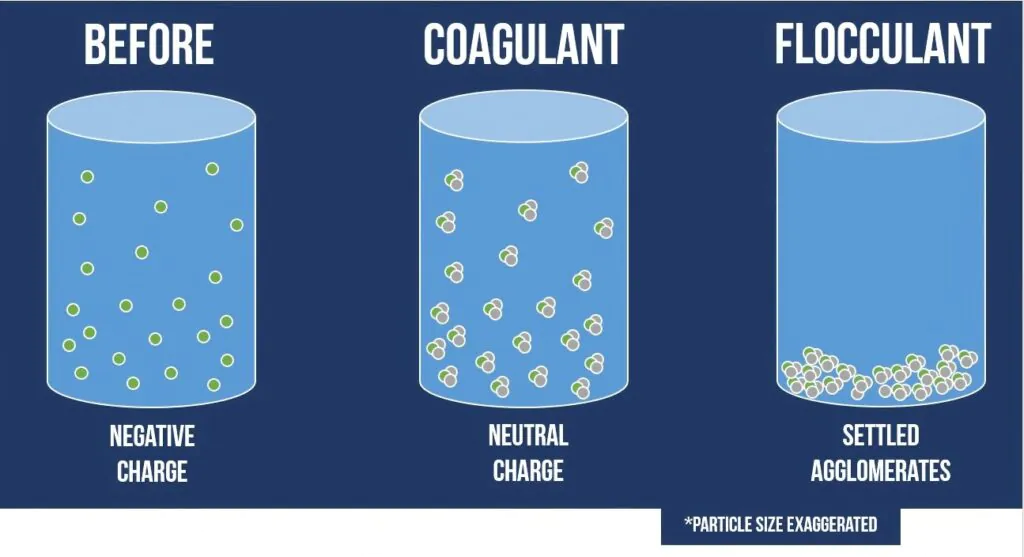
- Cationic PAM: Neutralizes negatively charged substances in water.
- Polyaluminum Coagulants (PAC): Improve flocculation performance.
4.2 Field Condition Adjustment
- Add soil or adsorbents to sand washing water to remove harmful substances.
4.3 Comprehensive Management
- Monitor water quality and chemical dosing.
- Maintain equipment and ensure cleanliness.
- Train staff to improve operational skills and environmental awareness.
Summary
Proper use of polyacrylamide (PAM) in wastewater treatment depends on correct type selection, optimal dosing, equipment matching, and effective operational management. Addressing issues such as poor flocculation, sludge dewatering problems, muddy water, and “water poisoning” ensures efficient water treatment, reduces operational costs, and improves environmental compliance. Regular monitoring, equipment maintenance, and staff training are essential for consistent performance.