Skip to content
Foam formation is a persistent operational challenge in sugar manufacturing. From juice extraction to evaporation and crystallization, uncontrolled foam can reduce output, interrupt production, and compromise sugar quality.
For modern sugar mills focused on stable operation, energy efficiency, and cost control, selecting the right antifoam solution is not optional—it is a process necessity.
Why Foam Forms in Sugar Production
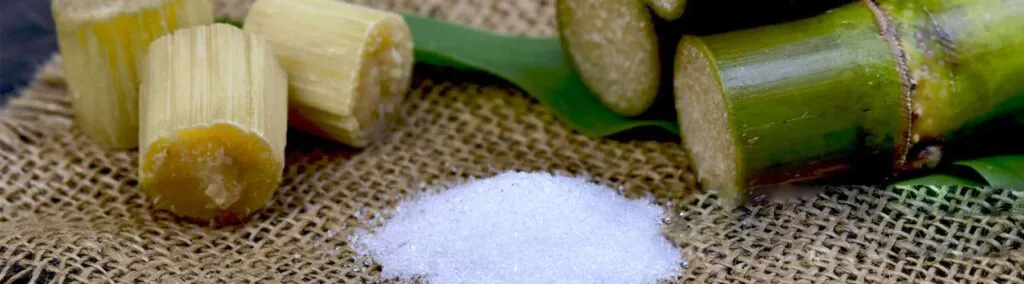
Foam in sugar mills is mainly caused by the natural composition of sugarcane and the operating conditions of the process.
Key causes include:
- Natural surfactants present in sugarcane juice
- Waxes, proteins, and organic colloids
- Mechanical agitation during extraction and clarification
- High-temperature boiling during evaporation
Once foam forms, it creates a thin elastic film on the liquid surface. This film blocks heat transfer, increases overflow risk, and directly impacts sugar yield.
Where Antifoam Is Used in Sugar Mills
Antifoaming agents are applied at multiple stages to control foam before it becomes a production issue.
Juice Extraction and Clarification
During juice pressing and clarification, foam traps impurities and slows sedimentation.
Proper antifoam dosing helps:
- Reduce surface tension
- Improve mud settling
- Increase clarification efficiency
This leads to clearer juice and more stable downstream processing.
Evaporation and Concentration
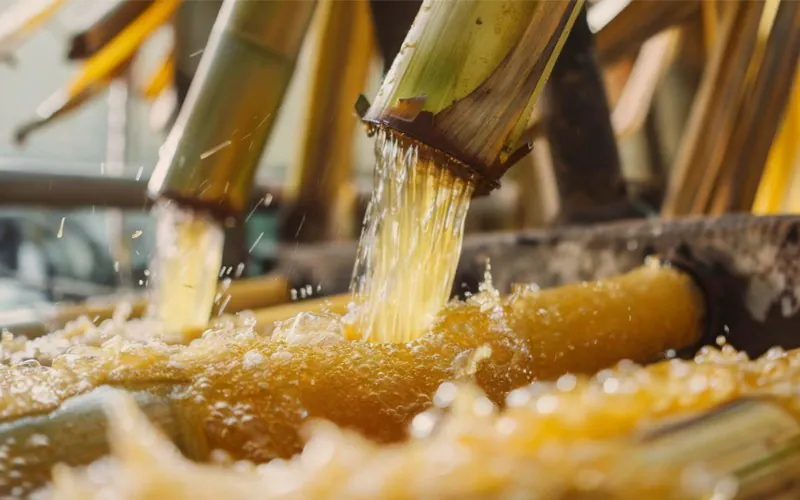
Foam inside evaporators causes:
- Reduced heat transfer efficiency
- Vapor blockage
- Frequent shutdowns due to overflow
High-temperature-resistant antifoams ensure:
- Stable boiling
- Continuous evaporation
- Lower energy consumption
Silicone-based antifoams are commonly preferred at this stage.
Crystallization
Foam during crystallization interferes with crystal growth and uniformity.
Correct antifoam application:
- Stabilizes crystal formation
- Prevents scaling
- Ensures consistent sugar color and grain size
Food-grade antifoams are recommended for this process step.
Sugar Mill Wastewater Treatment
Foam is also common in aeration tanks and mixing systems during wastewater treatment.
Using industrial-grade antifoams helps:
- Improve biological treatment efficiency
- Enhance sludge settling
- Reduce operational disruptions
Key Benefits of Using Antifoam in Sugar Production
Higher Process Efficiency
Foam control allows equipment to operate at design capacity, reducing downtime and improving throughput.
Reduced Product Loss
Minimizing overflow prevents sugar loss during evaporation and filtration.
Improved Heat Transfer
Removing the foam layer enhances boiling efficiency and lowers steam consumption.
Stable Sugar Quality
Controlled crystallization ensures consistent color, purity, and crystal size.
Lower Operating Costs
Less cleaning, fewer shutdowns, and longer equipment life directly reduce production costs.
How to Choose the Right Antifoam for Your Sugar Factory
Antifoam selection should match process conditions, food safety requirements, and cost targets.
Juice Extraction & Clarification
- Fast defoaming response
- Compatible with PAC, PAM, lime
- No impact on settling velocity
Evaporation Systems
- Heat resistance above 100–110 °C
- Stable in high solids and high salinity
- No oil separation
Silicone antifoams perform best in most cases.
Crystallization
- No impact on crystal growth
- No color contamination
- Food-grade compliance required
Wastewater Treatment
- Cost-effective performance
- Suitable for aeration and mixing tanks
- Mineral oil or polyether antifoams are commonly used
Antifoam Type Comparison for Sugar Mills
| Antifoam Type | Suitable Process | Key Advantages | Notes |
|---|---|---|---|
| Silicone Antifoam | Evaporation, boiling | Fast action, heat-resistant, low dosage | Use food-grade for juice contact |
| Food-Grade Antifoam (E900) | Clarification, crystallization | FDA/EU compliant, safe | Higher cost |
| Mineral Oil Antifoam | Wastewater treatment | Low cost, stable | Not for food contact |
| Polyether Antifoam | High-viscosity syrup | Long-lasting, heat stable | Site testing recommended |
Key Performance Indicators to Evaluate Antifoams
- Defoaming speed
- Long-lasting foam suppression
- High-temperature stability
- Food safety certification
- Compatibility with coagulants and flocculants
- No impact on sugar color or purity
- Cost per ton of sugar produced
Recommended Dosage Reference (ppm)
Actual dosage depends on process conditions and foam severity.
- Juice clarification: 10–50 ppm
- Evaporation: 5–30 ppm
- Crystallization: 5–20 ppm
- Wastewater treatment: 10–100 ppm
⚠️ Always start with small-scale trials to optimize dosage.
Summary
Foam control is directly linked to production stability, energy efficiency, and sugar quality in modern sugar mills. Selecting the correct antifoam—whether silicone-based, food-grade, or industrial—ensures smoother operations and lower overall costs.
For sugar producers aiming to improve efficiency and reduce operational risk, a well-matched antifoam program is a high-return process optimization step, not just a chemical add-on.