
Crunchiness is not just a nice texture. It is a key part of the snack eating experience. A snack feels crunchy when it has low moisture and a strong internal structure. During production, forming a stable structure is very important.
Calcium chloride helps improve and keep this crunchy texture. It works by strengthening the food structure and controlling moisture during processing.
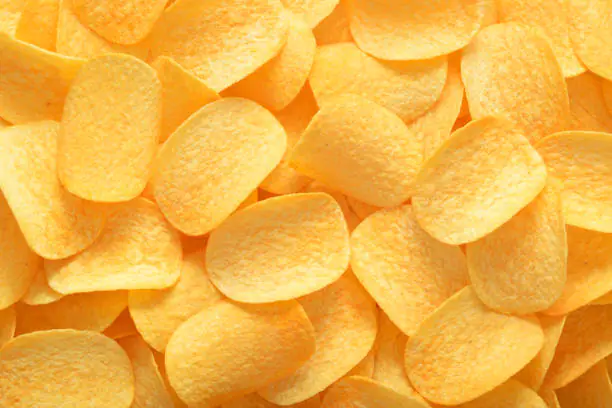
Calcium Chloride in Snack Production
1. Role in Potato Chips
Potato chips are a typical crispy snack. Their quality depends heavily on texture. Calcium chloride is useful in two main stages:
Soaking Stage
Potato slices can be soaked in water that contains a small amount of calcium chloride. This helps make the slices firmer. Firmer slices break less during handling and frying. They also keep a better shape.
Frying Stage
During frying, calcium chloride helps improve the final crispness. It supports better surface structure and helps control moisture loss. This reduces too much oil absorption and makes the chips less greasy and more crispy.
2. Use in Other Crispy Snacks
Calcium chloride is also used in other crunchy foods.
Pretzels
In pretzel dough, calcium chloride can help strengthen the protein network. This leads to a firmer and crunchier bite after baking. It can also help improve surface color.
Crackers and Tortilla Chips
In these products, calcium chloride helps maintain structure during baking. It supports even drying and reduces soft or soggy spots. The final product is more evenly crisp.
Key Benefits of Calcium Chloride in Snacks
1. Better Texture Consistency
Calcium chloride helps control firmness. This means each batch of snacks has a similar crunch level. Consistent texture is very important for brand quality and customer satisfaction.
2. Lower Oil Absorption
By helping form a stronger surface structure, calcium chloride can reduce how much oil enters the snack during frying. This creates a lighter, less greasy product.
3. Longer Shelf Life
Crunchy snacks lose quality when they absorb moisture from the air. Calcium chloride helps maintain structural stability, so snacks stay crisp for a longer time during storage.
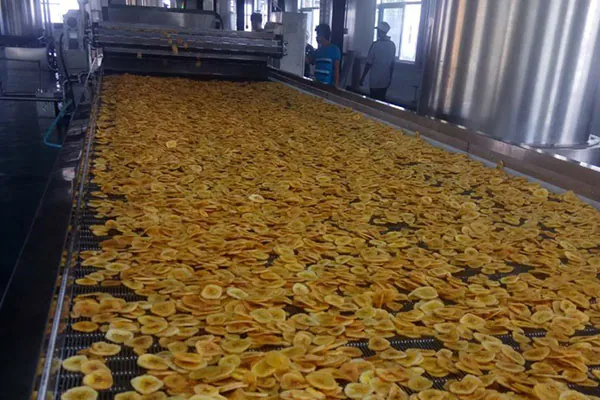
Practical Tips for Using Calcium Chloride
1. Dosage
Only a small amount is needed. In many snack products, the typical level is about 0.1%–0.5% of the total weight. Exact dosage should be tested based on the product and process.
2. How to Add It
Calcium chloride must be evenly mixed.
- For potato chips: add it to the soaking water
- For baked snacks: mix it evenly into the dough
Good mixing ensures stable and repeatable results.
3. Quality Testing
Texture should be tested regularly. Manufacturers can use sensory tests and texture instruments to check crispness. This helps make sure the product meets the desired quality.
Conclusion
Calcium chloride is a useful ingredient for improving crunchiness in snack foods. It helps strengthen structure, reduce oil absorption, and keep snacks crispy for a longer time.
For snack manufacturers, using food-grade calcium chloride correctly can improve product quality and help snacks stand out in a competitive market.