
Industrial wastewater from sectors such as mining, electroplating, and battery manufacturing often contains hazardous heavy metals. These pollutants can accumulate in the food chain and cause serious environmental and health problems. Effective removal of heavy metals before discharge is therefore essential.
Calcium chloride (CaCl₂) is not a primary precipitating agent for heavy metals, but it plays an important supporting role in improving overall treatment efficiency.
Why Heavy Metal Removal Is Challenging
Heavy metals like:
- Lead (Pb²⁺)
- Cadmium (Cd²⁺)
- Zinc (Zn²⁺)
- Nickel (Ni²⁺)
- Copper (Cu²⁺)
are usually removed through hydroxide precipitation, sulfide precipitation, or coagulation–flocculation. However, these processes depend heavily on water chemistry conditions such as pH, alkalinity, and ionic balance.
This is where calcium chloride becomes useful.
How Calcium Chloride Supports Heavy Metal Removal
1️⃣ Promotes Hydroxide and Carbonate Precipitation
Calcium chloride supplies Ca²⁺ ions that help stabilize alkalinity and carbonate balance in wastewater. When lime or sodium hydroxide is used to raise pH, heavy metals form insoluble hydroxides:
- Pb(OH)₂
- Cd(OH)₂
- Zn(OH)₂
Calcium ions help create a more stable chemical environment, allowing these metal hydroxides to precipitate more completely.
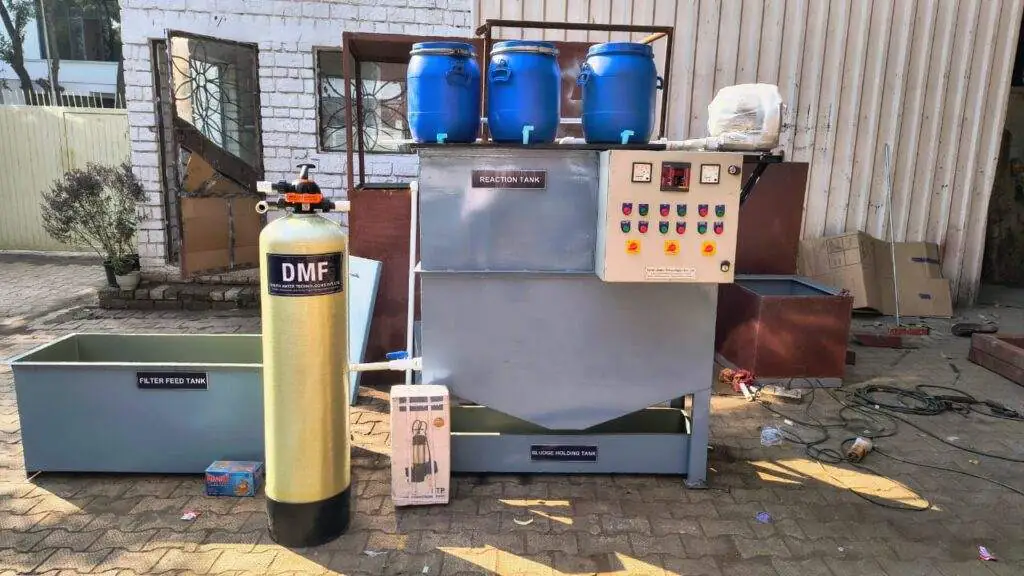
2️⃣ Enhances Coagulation and Floc Formation
Calcium ions compress the electrical double layer around particles and destabilize colloids. This improves the performance of:
- PAC (polyaluminum chloride)
- Alum
- Polymer flocculants
Stronger and larger flocs form, which can trap fine heavy metal precipitates and suspended solids, improving settling efficiency.
3️⃣ Supports Co-precipitation Mechanisms
Heavy metals often attach to:
- Calcium carbonate particles
- Metal hydroxide flocs
- Sludge solids
Calcium chloride encourages the formation of mineral particles that act as carriers, allowing dissolved heavy metals to co-precipitate and settle out with sludge.
Practical Industry Applications
Electroplating Wastewater
Calcium chloride improves floc strength and settling after pH adjustment, enhancing removal of nickel, chromium, and zinc.
Mining Effluent
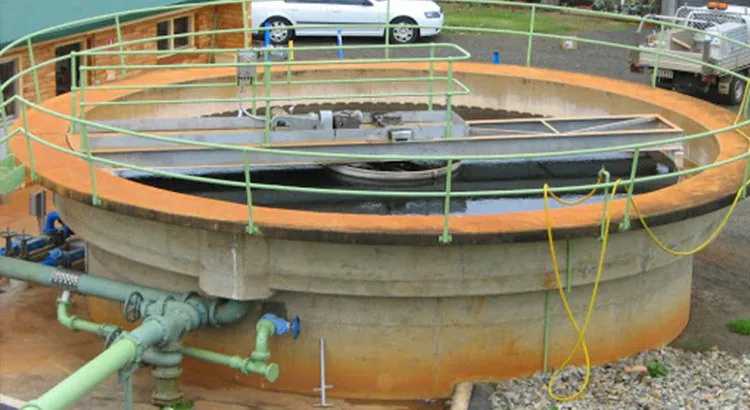
It supports lime treatment systems by stabilizing water chemistry and improving sludge dewatering.
Battery Manufacturing
Calcium chloride helps improve coagulation and sedimentation, reducing dissolved lead and cadmium levels before discharge.
Application Guidelines
Use as a Supporting Chemical
Calcium chloride should be used alongside lime, caustic soda, coagulants, and polymers — not as a standalone heavy metal precipitant.
Dosage Depends on Water Chemistry
Jar testing is essential to determine the correct amount based on alkalinity, hardness, and metal concentration.
Improves Sludge Characteristics
Calcium can increase sludge density and improve dewatering performance.
Conclusion
Calcium chloride is not a direct heavy metal precipitating agent, but it plays a valuable indirect role in industrial wastewater treatment. By stabilizing water chemistry, enhancing coagulation, and supporting co-precipitation, it improves the overall efficiency of heavy metal removal systems.
When used as part of a complete treatment program, calcium chloride helps industries meet discharge standards, reduce environmental risks, and improve treatment reliability.