
Calcium chloride is widely used in agriculture. It is not only a calcium fertilizer, but also an important tool for improving plant health and reducing plant diseases. Proper use can improve crop quality, increase yield, and reduce losses caused by disease.
1. Strengthening Plant Cell Walls
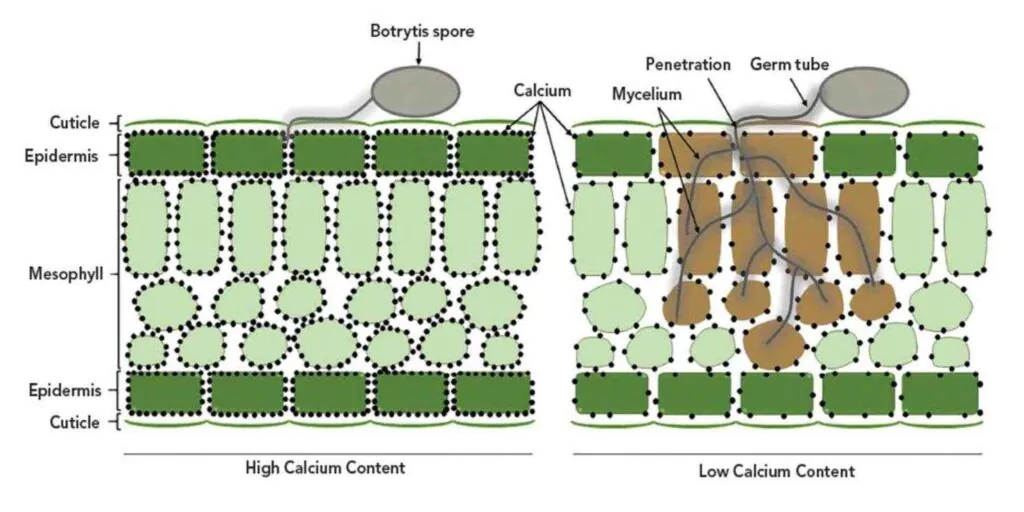
Calcium is a key part of plant cell walls. When plants get enough calcium, their cell walls become thicker and stronger.
Strong cell walls make it harder for bacteria and fungi to enter the plant. This helps reduce infection and slows down the spread of diseases.
2. Improving Nutrient Absorption
Calcium ions help roots grow stronger and healthier. Strong roots can absorb water and nutrients more efficiently.
Healthy plants with balanced nutrition have stronger natural immunity. This means they are less likely to suffer from disease stress.
3. Regulating Plant Physiological Activities
Calcium plays an important role in plant internal processes. It helps with:
- Cell signaling
- Enzyme activity
- Stress response
With proper calcium levels, plants respond better to environmental stress. Stronger plants are naturally more resistant to diseases.
4. Adjusting Soil Conditions
Calcium chloride can help improve soil structure. In some cases, it can also help balance soil acidity.
Better soil conditions can reduce the growth of harmful pathogens in the soil and create a healthier root environment.
5. Increasing Plant Resistance to Stress
Plants treated with calcium chloride often show better resistance to:
- Drought
- Cold temperatures
- Salinity stress
When plants are less stressed, they are less vulnerable to disease infections.

Examples of Plant Diseases Related to Calcium Deficiency
Tomato Blossom End Rot
This is a common problem caused by lack of calcium during fruit development. Dark, sunken spots appear at the bottom of the tomato.
Application:
- Foliar spray with 0.5% calcium chloride once a week
- Soil application before planting
Apple Bitter Pit
Calcium deficiency causes small brown bitter spots inside apples. This reduces fruit quality and market value.
Application:
- Foliar spray (0.3%–0.5%) during fruit enlargement
- Soil treatment around tree roots
Pepper Blossom End Rot
This appears as dark, dry spots at the bottom of peppers. It usually happens in late fruit development.
Application:
- Weekly foliar spray during fruit formation
- Drip irrigation with calcium solution (below 1000 ppm)
Strawberry Gray Mold (Disease Resistance Support)
Gray mold is caused by fungus in humid conditions. Calcium does not kill the fungus directly, but it strengthens fruit tissue and improves resistance.
Application:
- 0.5% foliar spray weekly
- Soil calcium improvement before planting
How to Choose the Right Calcium Chloride
Type
- Powder – dissolves fast, good for spraying
- Granular – easy to apply to soil
Grade
- Agricultural grade – used for soil and crops
- Food grade – higher purity, suitable for sensitive crops
Purity
High purity (≥95%) is recommended. It provides effective calcium while reducing harmful impurities.
Common Application Methods
✔ Foliar Spray – Fast calcium absorption through leaves
✔ Root Irrigation – Direct supply to roots
✔ Soil Application – Improves soil calcium content
Precautions When Using Calcium Chloride
- Do not use too high concentration
- Avoid spraying during very hot weather
- Wear gloves and eye protection
- Store in a dry and cool place
Conclusion
Calcium chloride is an effective solution for improving plant health and reducing disease risk. It strengthens cell walls, supports nutrient uptake, improves stress resistance, and enhances overall crop quality. With proper application methods and correct product selection, farmers can significantly reduce losses caused by calcium-related plant diseases.
If you need technical guidance or product details, feel free to contact us.