Skip to content
Calcium chloride is a widely used calcium fertilizer in agriculture. In corn production, it plays an important role in preventing several physiological disorders and disease-related problems. Calcium is essential for plant growth. When corn lacks calcium, plant tissues become weak, disease resistance drops, and yield and quality can both decline.
This guide explains how calcium chloride helps protect corn and how to use it correctly in the field.
Why Calcium Is Important for Corn Health
Calcium strengthens plant cell walls and supports normal growth. It also helps corn plants resist stress and disease. However, calcium moves slowly inside plants. Under hot, dry, or overly humid conditions, corn may not receive enough calcium at critical growth points.
When this happens, several problems can appear.
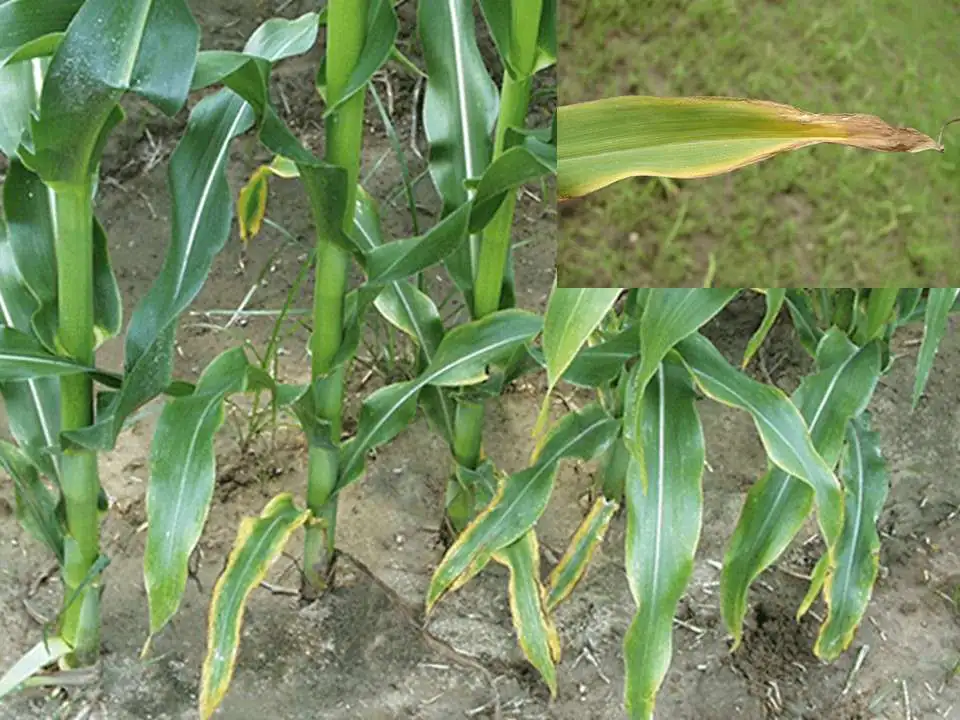
1. Tip Burn in Corn
Tip burn is a common physiological disorder linked to calcium deficiency. It usually affects the growing points and leaf tips.
Symptoms include:
- Yellowing at leaf tips
- Dry and scorched-looking leaf ends
- Severe cases may cause whole leaves to die
Calcium chloride can quickly supply available calcium through foliar spray or soil application, helping reduce leaf tissue damage and improving cell wall strength.
2. Ear or Kernel Cracking
During rapid ear development, calcium deficiency can weaken cell structure. This may lead to cracking or poor kernel development, which reduces grain quality and market value.
Applying calcium chloride during key growth stages helps:
- Strengthen cell walls
- Support stable ear development
- Reduce cracking and structural defects
3. Improved Disease Resistance
Calcium is a key part of plant cell walls. Stronger cell walls make it harder for fungi and bacteria to enter plant tissue.
Using calcium chloride can help corn:
- Improve natural defense ability
- Reduce infection risk from certain pathogens
- Better tolerate environmental stress such as heat and drought
4. Stronger Root Development
Healthy roots mean better nutrient and water uptake. Calcium supports root cell division and elongation, which leads to a stronger root system.
Soil or irrigation application of calcium chloride can:
- Promote root growth
- Improve nutrient absorption
- Increase overall plant resilience

How to Use Calcium Chloride in Corn Fields
Proper application is very important to get the best results.
Foliar Spraying
Foliar spray is ideal when corn shows deficiency symptoms or during fast growth stages.
How to apply:
- Concentration: 0.3%–0.5% solution (3–5 g per liter of water)
- Frequency: Every 7–10 days during active growth
- Focus Area: New leaves and growing points
- Best Time: Evening or cloudy days to avoid leaf burn
Soil Application
Soil application helps improve long-term calcium availability.
Guidelines:
- Application Rate: 10–20 kg per acre (adjust based on soil test)
- Timing: Before planting or early growth stage
- Method: Mix into soil before irrigation or rainfall
Irrigation System Application
Calcium chloride can also be applied through drip or sprinkler irrigation systems. This ensures more even distribution and efficient absorption by roots.
Integrated Crop Management Tips
Calcium works best when combined with good farming practices:
✔ Maintain stable soil moisture
✔ Avoid excessive nitrogen fertilizer
✔ Monitor soil pH and nutrient balance
✔ Control pests and other diseases in time
Balanced nutrition improves calcium uptake and reduces disease pressure.
Conclusion
Calcium chloride is an effective and economical tool for improving corn health. It helps prevent tip burn, kernel cracking, and calcium-related disorders, while also strengthening disease resistance and root development. With proper application and good field management, growers can achieve higher yield and better grain quality.
If you need product specifications, technical guidance, or bulk supply of agricultural-grade calcium chloride, feel free to contact us for professional support.