 Skip to content
Calcium chloride (CaCl₂) is one of the most widely used industrial salts globally, with applications spanning road dust control, winter de-icing, and construction soil stabilization. As environmental scrutiny of chemical inputs intensifies, procurement managers and project engineers increasingly need science-based answers about its ecological footprint. This article summarizes recent research findings, clarifies real versus perceived risks, and provides practical guidance for compliant, environmentally responsible calcium chloride use.
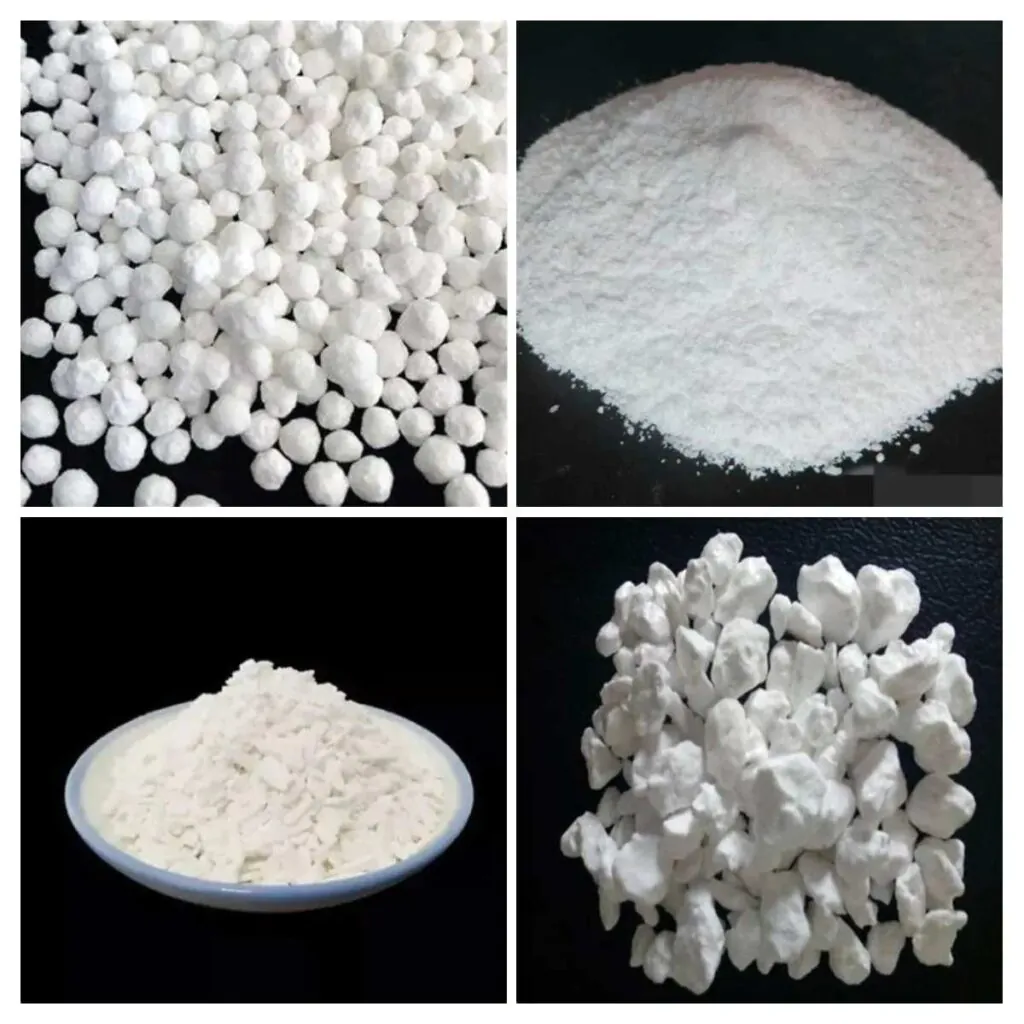
What Calcium Chloride Is and Why Its Environmental Impact Is Under Review
Calcium chloride is an inorganic salt composed of calcium (Ca²⁺) and chloride (Cl⁻) ions. Its high solubility — approximately 745 g/L at 20°C — and strong hygroscopic properties make it exceptionally effective at absorbing atmospheric moisture, which underpins its performance in dust suppression and ice melting. Annual global consumption exceeds several million metric tons, with road applications accounting for the majority of use in North America, Europe, and parts of Asia.
The scale of use naturally raises questions. When calcium chloride dissolves and migrates through soil, it increases local ionic concentration, which can elevate soil electrical conductivity (EC) and osmotic pressure. Critics point to the potential for soil salinity stress and chloride loading in adjacent watercourses. However, the actual magnitude of these effects depends heavily on application rate, soil buffering capacity, precipitation patterns, and proximity to sensitive ecosystems — factors that recent field research has begun to quantify with greater precision.
Key Findings From Recent Environmental Studies on Calcium Chloride
Environmental scientists have conducted both field trials and controlled laboratory studies to evaluate how calcium chloride behaves across different soil types, climates, and application scenarios. Their work focused on four primary variables: application rate, soil type, weather conditions, and distance from water bodies.
Soil Salinity Increases Remain Within Manageable Limits
Studies confirm that calcium chloride application does raise soil electrical conductivity. However, at recommended dust control application rates of 0.2–0.5 L/m² for liquid formulations, or 100–300 g/m² for flake product, EC increases typically remain below the 4 dS/m threshold commonly associated with salinity stress in sensitive plant species. Soils with higher clay content and cation exchange capacity demonstrate measurably better buffering, with salinity returning to near-baseline levels within 4–8 weeks following cessation of application in temperate climates.
Minimal Measurable Impact on Adjacent Water Bodies
One of the most significant findings across multiple studies is that properly applied calcium chloride produces little to no harmful chloride loading in nearby rivers, lakes, or shallow groundwater. When application follows setback guidelines — typically a 15–30 meter buffer zone from surface water bodies — measured chloride concentrations in receiving water remained below the chronic aquatic toxicity threshold of 230 mg/L Cl⁻ established by the U.S. EPA and similar regulatory bodies. Groundwater monitoring wells at distances greater than 50 meters from treated road surfaces showed no statistically significant chloride elevation attributable to calcium chloride use.
Vegetation Tolerates Guideline-Compliant Application Rates
Roadside vegetation surveys conducted alongside treated unpaved roads showed no significant phytotoxic effects when calcium chloride was applied at or below recommended rates. Salt-sensitive species showed transient leaf-margin browning at application rates exceeding 400 g/m², but recovered fully within one growing season. Grass and shrub species adapted to roadsides demonstrated tolerance up to 600 g/m² without permanent damage.
Weather Conditions Influence Mobility — But Not Beyond Safe Thresholds
Precipitation events following calcium chloride application accelerate chloride ion migration through the soil profile. Studies measuring leachate from treated soil columns found that 60–75% of applied chloride moved below the root zone within the first significant rainfall event (>15 mm). Despite this mobility, concentrations measured at the soil-groundwater interface remained below 100 mg/L Cl⁻ under guideline-compliant application rates — well within safe limits for most agricultural and ecological receptors.
Application Rate: The Single Most Important Variable
Across all recent studies, the consensus is clear: overuse — not normal use — drives environmental risk. The research identifies three factors that determine whether calcium chloride use remains environmentally neutral:
| Risk Factor | Low-Risk Condition | High-Risk Condition |
|---|---|---|
| Application Rate | ≤ 0.5 L/m² (liquid) / ≤ 300 g/m² (flake) | > 0.8 L/m² or repeated applications without monitoring |
| Soil Buffering Capacity | Clay-rich, high CEC soils | Sandy, low-CEC soils near water |
| Distance from Water Bodies | > 30 m setback maintained | < 10 m from rivers, wetlands, or drinking water intakes |
| Precipitation Timing | Applied ahead of dry periods | Applied immediately before heavy rain (> 20 mm forecast) |
Operators who follow manufacturer-specified application rates and maintain buffer zones consistently achieve results that fall within environmental safety thresholds, even under repeated seasonal use.
Best Practices for Environmentally Responsible Calcium Chloride Use
Based on current research, environmental managers and procurement teams should implement the following protocols:
Calibrated Application Equipment: Use flow-controlled spray bars or calibrated spreaders to eliminate over-application. Even a 50% excess above the recommended rate can push EC values into the stress range for sensitive vegetation and increase leachate chloride concentrations by 80–120%.
Pre-Application Site Assessment: Identify proximity to wetlands, irrigation channels, and drinking water intakes before commencing dust control programs. Establish exclusion or buffer zones in writing as part of the project environmental management plan.
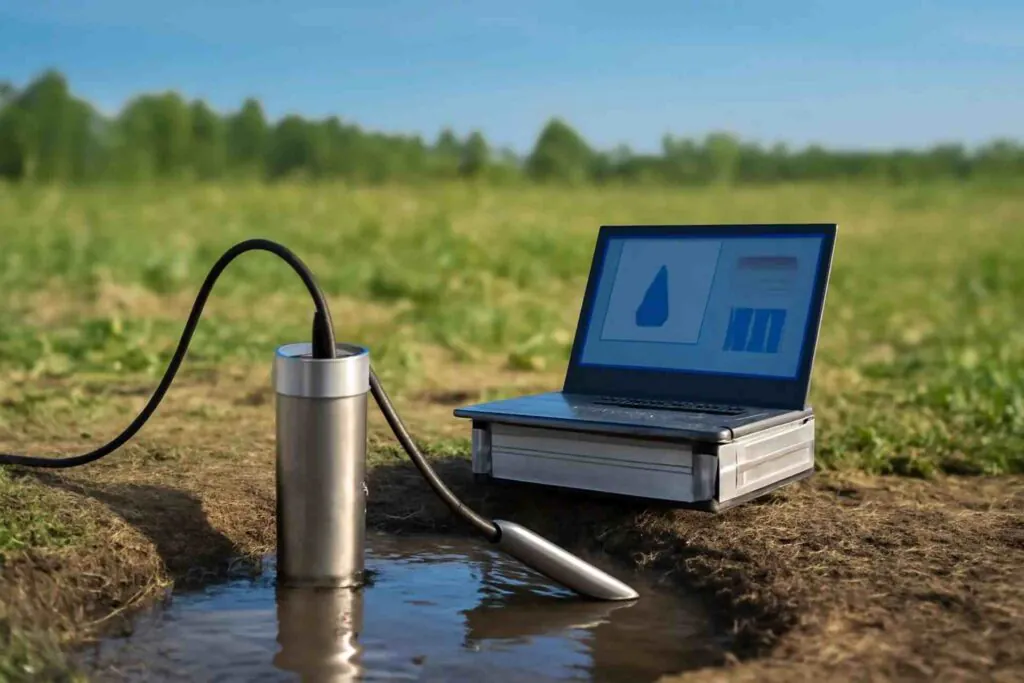
Seasonal Soil and Water Monitoring: For long-term road maintenance contracts, conduct soil EC testing at the beginning and end of each dust control season. Sample surface water at the nearest downstream receptor point twice per season. Target thresholds: soil EC < 4 dS/m; surface water Cl⁻ < 150 mg/L.
Operator Training and Recordkeeping: Train all application operators on rate calculation, weather window selection, and buffer zone compliance. Maintain application logs as documentation for regulatory audits and environmental permit reporting.
Policy Implications for Regulators and Environmental Managers
Recent research supports a science-based regulatory approach that neither prohibits calcium chloride use nor permits unrestricted application. Regulators and environmental managers should consider establishing jurisdiction-specific application rate limits tied to soil type classification, mandating buffer zones scaled to the sensitivity of adjacent water bodies, requiring annual environmental monitoring reports for high-volume users such as mining operations and municipal road departments, and funding continued long-term studies on cumulative chloride loading in regions with intensive multi-year use.
These measures allow infrastructure operators to capture the efficiency and cost benefits of calcium chloride — dust suppression at 60–85% effectiveness compared to untreated roads, and ice melt performance down to -29°C — while maintaining verifiable environmental compliance.
FAQ: Environmental Impact of Calcium Chloride
Q: How do I calculate the correct calcium chloride application rate for dust control to avoid soil salinity problems?
A: Start with the manufacturer’s recommended rate, typically 0.2–0.5 L/m² for liquid calcium chloride (32–35% concentration) or 100–300 g/m² for flake product. Adjust downward by 20–30% on sandy soils with low buffering capacity, or when surface water is within 30 meters. Reapplication intervals should be 4–8 weeks during dry season, not triggered by calendar but by measured dust suppression performance or road surface condition. Never apply when rainfall exceeding 15 mm is forecast within 24 hours.
Q: What is the difference between calcium chloride and magnesium chloride for road dust control in terms of environmental impact?
A: Both are hygroscopic chloride salts with similar dust suppression mechanisms, but they differ in key environmental parameters. Calcium chloride (CaCl₂) has higher solubility (745 g/L vs. 560 g/L for MgCl₂) and performs effectively at lower temperatures. Magnesium chloride produces lower chloride loading per unit of dust control effectiveness in some studies but may affect soil structure differently due to Mg²⁺ ion interactions with clay minerals. From a vegetation toxicity standpoint, both products show comparable effects at equivalent chloride doses. The choice between them depends on local soil chemistry, temperature range, cost, and supplier availability rather than a clear environmental superiority of either product.
Q: What is the shelf life of calcium chloride flakes and liquid solution, and what are the storage requirements?
A: Calcium chloride flakes (94–97% purity) have an indefinite chemical shelf life when stored in sealed, moisture-proof packaging in a dry environment below 30°C. Once packaging is opened, flakes will absorb atmospheric moisture and clump within 24–72 hours in humid conditions — store in sealed HDPE containers or reseal original bags immediately after use. Liquid calcium chloride solution (32–35% concentration) is stable for 12–24 months in HDPE or lined steel tanks, provided tanks are sealed to prevent evaporation and concentration drift. Inspect liquid tanks quarterly for corrosion. Minimum order quantities (MOQ) for bulk liquid supply typically start at 1,000–5,000 liters depending on the supplier and region.
Conclusion: From Concern to Confident, Compliant Use
Recent environmental studies confirm that calcium chloride — when applied at recommended rates with appropriate buffer zones and monitoring — poses minimal risk to soil systems and adjacent water bodies. The environmental impact of calcium chloride is manageable, measurable, and well within acceptable thresholds under responsible use conditions. For road maintenance contractors, mining operators, and construction project managers, this means calcium chloride remains a technically sound and environmentally defensible choice when supported by proper application protocols.
HyChron provides calcium chloride products with full technical data sheets, application rate guidance, and environmental compliance documentation. Contact our team for product specifications or project-specific recommendations.


