
As winter conditions intensify, ice and snow create serious safety challenges for roads and sidewalks. Calcium chloride (CaCl₂) is widely used as an effective deicing solution, especially in low-temperature environments. However, its environmental impact has drawn increasing attention.
This article examines the biodegradability of calcium chloride, its effects on soil and water quality, and practical ways to minimize environmental risks. A comparison with other common deicing agents is also provided to support informed decision-making.
What Is Calcium Chloride?
Calcium chloride is an inorganic salt composed of calcium and chlorine. It is highly soluble in water and releases heat when dissolving. This exothermic reaction allows calcium chloride to melt ice quickly, even at temperatures far below freezing.
Compared with sodium chloride (rock salt), calcium chloride works faster and remains effective in colder conditions, making it a preferred choice for winter maintenance in harsh climates.
Biodegradability of Calcium Chloride
Biodegradability typically refers to the breakdown of organic materials by microorganisms. Calcium chloride does not biodegrade in this way. Instead, it dissociates into calcium ions (Ca²⁺) and chloride ions (Cl⁻) once released into the environment.
Both ions naturally exist in soil and water. At low concentrations, they are generally harmless. However, excessive accumulation can disrupt the natural ionic balance and lead to environmental stress.
Impact on Soil Quality
When calcium chloride is applied to roads, some of it enters surrounding soils through runoff and splash.
Potential Benefits
- Calcium improves soil structure by promoting clay flocculation
- Better soil aggregation enhances aeration and water infiltration
- Calcium is an essential nutrient for plant growth
Potential Risks
- Excess calcium chloride may reduce soil permeability
- High chloride levels can damage plant roots and leaves
- Sensitive vegetation may experience leaf burn and growth reduction
Proper dosage and soil monitoring are essential to prevent long-term soil degradation.
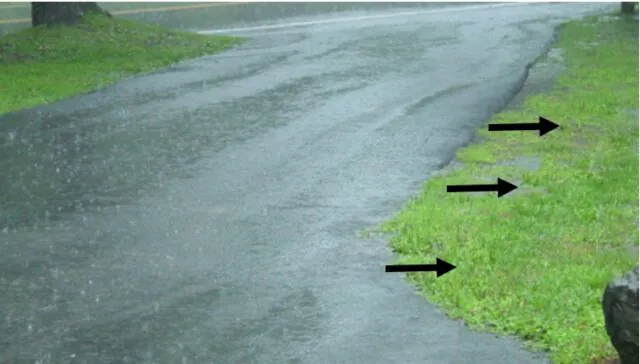
Impact on Water Quality
Runoff from treated surfaces can transport calcium chloride into nearby streams, lakes, and groundwater.
Environmental Concerns
- Elevated chloride levels can harm freshwater organisms
- Fish and amphibians may suffer osmotic stress
- Long-term salinization can affect drinking and irrigation water
Although calcium chloride is less damaging than excessive sodium chloride in many cases, uncontrolled runoff remains a key environmental concern.
How to Reduce Environmental Impact
Alternative Deicing Options
Several alternatives can reduce reliance on calcium chloride:
- Sand and Grit
Improves traction but does not melt ice - Magnesium Chloride
Effective at low temperatures with slightly lower environmental impact - Potassium Acetate
Biodegradable and less corrosive, but costly - Beet Juice Blends
Reduce salt usage and improve adhesion to road surfaces
Best Management Practices (BMPs)
Environmental risks can be significantly reduced through proper management:
- Controlled Application: Avoid overuse through calibrated equipment
- Pre-wetting and Brining: Reduce total chemical consumption
- Vegetative Buffers: Limit runoff into water bodies
- Monitoring Programs: Track soil and water chloride levels
Environmental Footprint Comparison
Sodium Chloride (Rock Salt)
- Low cost and widely available
- Ineffective at very low temperatures
- High corrosion and salinity impact
Calcium Chloride
- Works at extreme cold temperatures
- Lower application rates required
- Moderate environmental risk if misused
Magnesium Chloride
- Less corrosive than calcium chloride
- Still contributes to chloride accumulation
Potassium Acetate
- Biodegradable and low corrosion
- High cost limits large-scale use
Urea
- Adds nutrients but risks eutrophication
- Poor performance in extreme cold
Conclusion
Calcium chloride remains one of the most effective deicing agents available, particularly in cold and extreme winter conditions. While it does not biodegrade in the traditional sense, its environmental impact can be effectively managed through controlled application and responsible practices.
By understanding how calcium chloride interacts with soil and water, and by adopting best management strategies, municipalities and businesses can balance winter safety needs with environmental protection.
Responsible use—not avoidance—is the key to sustainable winter road maintenance.