Skip to content
Polyacrylamide (PAM) is a versatile water-soluble polymer widely used in water treatment, enhanced oil recovery, mining, and papermaking industries.
The production of PAM involves several critical steps, including acrylamide monomer preparation, polymerization, hydrolysis (for anionic PAM), and post-processing.
Different production routes are applied depending on the required PAM type and performance characteristics.
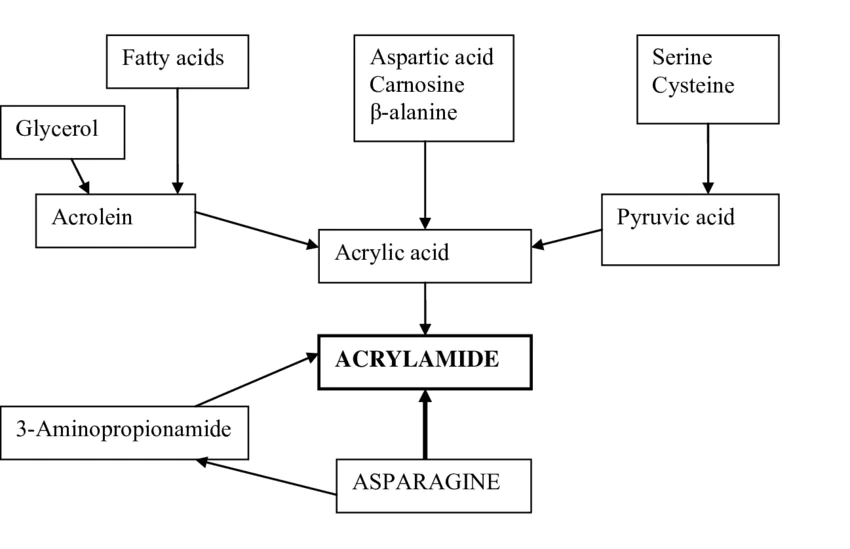
1. Monomer Preparation: Acrylamide (AM) Synthesis
High-purity acrylamide (AM) is the foundation of high-quality polyacrylamide production.
Currently, two main synthesis methods are used.
Chemical Catalysis Method
- Acrylonitrile reacts with water
- Copper-based catalysts are used
- Reaction is conducted under controlled temperature and pressure
This method offers:
- High conversion efficiency
- Stable production
- Low byproduct generation
It is widely used in industrial-scale PAM manufacturing.
Bioenzyme Method
- Biological enzymes catalyze acrylonitrile hydration
- Produces ultra-high-purity acrylamide (up to 99.99%)
This method is ideal for:
- Ultra-high molecular weight PAM
- High-end applications requiring low residual monomer content
2. Polymerization Process
Different polymerization techniques are used to produce anionic, cationic, and non-ionic PAM.
A. Anionic Polyacrylamide Production
Pre-Alkali Polymerization and Hydrolysis
- Acrylamide solution is mixed with alkali (e.g., sodium hydroxide)
- Multi-component initiator systems (persulfates, azo compounds) are added
- Polymerization is carried out under nitrogen protection
After polymerization:
- Controlled hydrolysis introduces carboxyl functional groups
- The polymer gel is dried, crushed, and sieved into powder
This method produces anionic PAM with adjustable hydrolysis degrees.
B. Cationic Polyacrylamide Production
Redox-Initiated Copolymerization
- Acrylamide is copolymerized with cationic monomers (e.g., DMC)
- Redox initiator systems such as ammonium persulfate/sodium bisulfite are used
Optimized conditions typically include:
- pH around 6.0
- Reaction temperature near 25°C
- Monomer concentration about 45%
This process ensures:
- High molecular weight
- Stable cationic charge distribution
- Excellent sludge dewatering performance
C. Non-Ionic Polyacrylamide Production
Low-Temperature Polymerization
- Acrylamide is polymerized in a weakly acidic buffer (pH ≈ 6.5)
- Anti-hydrolysis agents (e.g., N,N-dimethylacrylamide) are added
- Polymerization is initiated at very low temperatures (0–2°C)
This approach minimizes hydrolysis and achieves:
- Ultra-low hydrolysis degree (<1%)
- Excellent stability in acidic and high-salinity environments
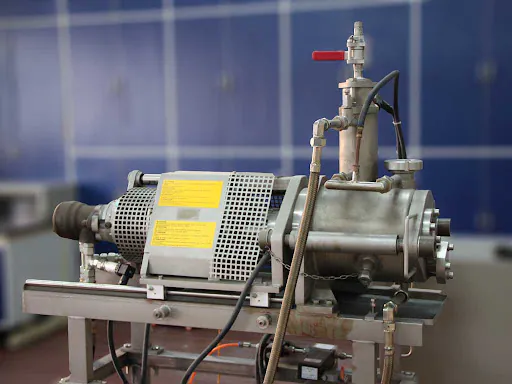
3. Post-Polymerization Processing
After polymerization, the PAM gel undergoes several post-processing steps:
- Cutting and Granulation
The gel is sliced into small particles to facilitate drying. - Drying and Milling
Granules are dried at approximately 60°C for about 12 hours, then milled into fine powder. - Quality Control
Finished products are tested for:- Molecular weight
- Residual monomer content
- Solubility and dissolution speed
Strict quality control ensures consistent product performance.
4. Specialized Polyacrylamide Production
For advanced applications, modified PAM products are manufactured.
Low-Molecular-Weight PAM
- Chain transfer agents (e.g., isopropanol) are added
- Molecular weight is precisely controlled between 10,000 and 120,000
Used for dispersion, lubrication, and specialty chemical applications.
Heat- and Salt-Resistant PAM
- Functional monomers such as AMPS are incorporated
- Enhances resistance to high temperature and high salinity
Ideal for:
- Oilfield applications
- Harsh industrial wastewater treatment
Conclusion
Polyacrylamide production is a highly controlled process involving precise monomer synthesis, polymerization techniques, and post-treatment steps.
By adjusting:
- Monomer purity
- Polymerization conditions
- Functional monomer composition
Manufacturers can produce customized PAM products tailored to diverse industrial needs.
For application-specific guidance or technical support, professional consultation is recommended to ensure optimal product selection and performance.