
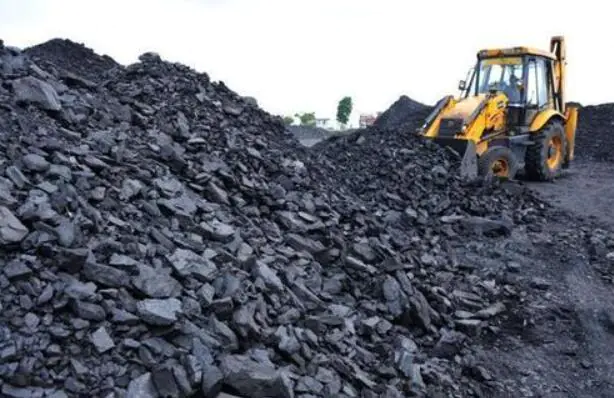
Coal washing is a critical process in the mining industry, helping remove impurities and improve coal quality. However, coal washing wastewater contains fine coal particles, clay, and suspended solids, making efficient flocculation essential for water recycling and environmental compliance.
Choosing the right polyacrylamide (PAM) directly affects sedimentation speed, clarified water quality, and operating costs.
1. Understand Coal Washing Wastewater Characteristics
Before selecting PAM, it is important to analyze the wastewater conditions:
- Particle size distribution (coarse coal vs. fine clay)
- pH level (acidic, neutral, or alkaline)
- Sludge concentration (high or low solids content)
- Organic and clay content
These factors determine which PAM type and molecular weight will perform best.
2. Types of Polyacrylamide Used in Coal Washing
Anionic Polyacrylamide (APAM) – Most Common Choice
Anionic PAM is widely used in coal washing plants due to its strong bridging ability.
- Suitable for neutral to alkaline water (pH 7–14)
- High molecular weight (12–18 million) promotes rapid settling
- Produces clear supernatant water
- Cost-effective for large-scale coal slurry sedimentation
Cationic Polyacrylamide (CPAM) – For Difficult Sludge
Cationic PAM is recommended when coal slurry contains high clay or organic matter.
- Positively charged, effective charge neutralization
- Improves flocculation of sticky or fine particles
- Commonly used in sludge dewatering after sedimentation
- Higher cost, used when APAM performance is insufficient
Non-Ionic Polyacrylamide (NPAM) – Special Conditions
Non-ionic PAM works best in challenging water chemistry.
- Ideal for acidic water (pH <6) or high-salinity conditions
- Flocculation via hydrogen bonding rather than charge attraction
- Medium molecular weight (6–10 million)
- Effective for fine particle capture
3. How to Test and Optimize PAM Selection
To achieve the best results, on-site testing is strongly recommended:
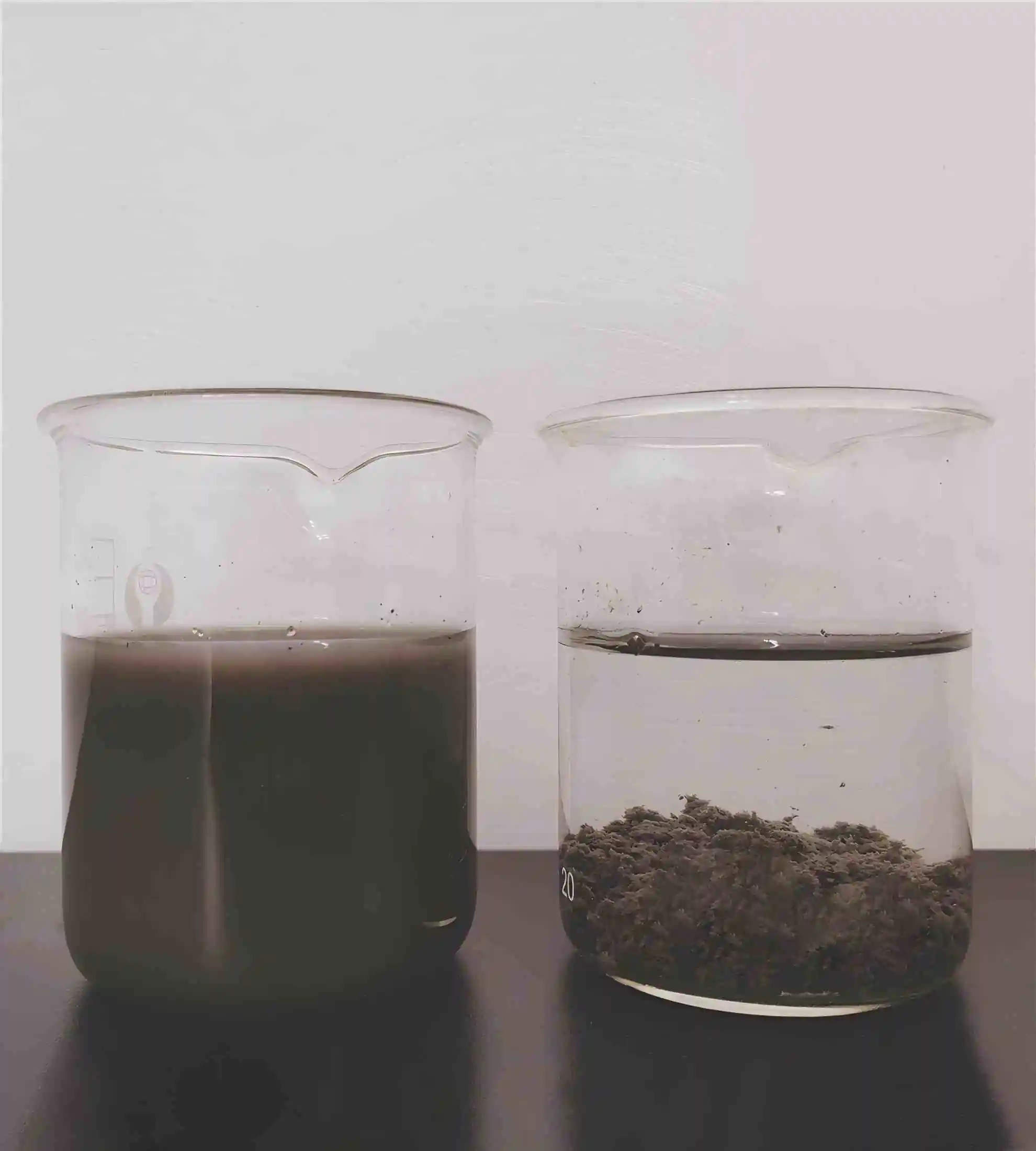
- Conduct jar tests with different PAM types and dosages (0.1–5 ppm)
- Observe floc size and settling speed
- Check clarity of treated water
- Adjust pH if necessary (lime addition improves APAM performance)
4. Key Factors When Purchasing PAM for Coal Washing
- Molecular weight: Higher for coarse particles, lower for fine sludge
- Solubility: Fast-dissolving PAM ensures stable dosing
- Purity: Low residual monomer improves safety and efficiency
- Supplier support: Technical guidance reduces trial-and-error costs
5. Why Choose Our Polyacrylamide Solutions
We supply high-quality PAM products designed for coal washing applications:
- Anionic, cationic, and non-ionic PAM options
- Customized recommendations based on coal type and water chemistry
- Competitive pricing and stable global supply
- Professional technical support and sampling services
Need help selecting the right PAM for your coal washing plant? Contact us today for free technical consultation and samples.

