
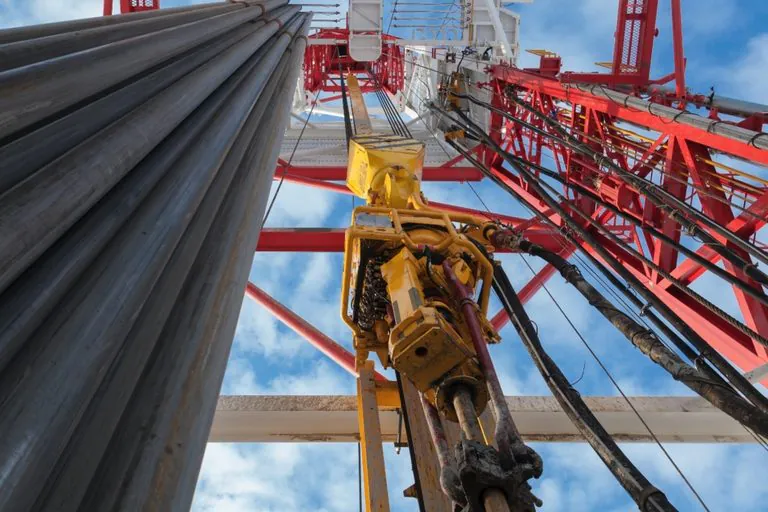
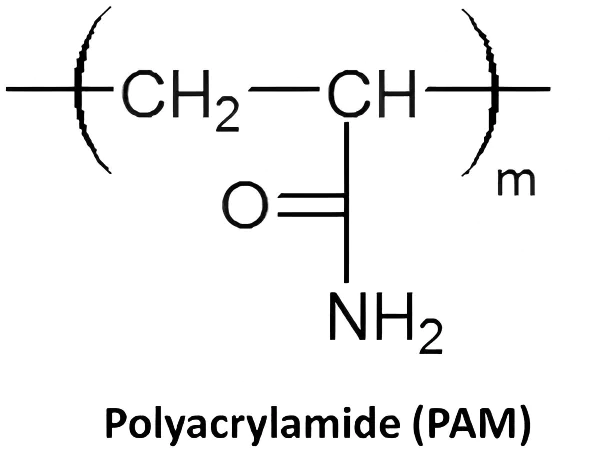
In oil drilling, geological exploration, and foundation engineering, drilling fluid performance directly affects drilling efficiency, wellbore stability, and overall operating costs. Polyacrylamide (PAM), a high-performance water-soluble polymer, is widely used in drilling fluids to enhance viscosity, reduce fluid loss, and stabilize boreholes.
However, different drilling conditions require different types of PAM. Choosing the right one is essential for achieving optimal results.
1. Understanding the Types of Polyacrylamide (PAM)
Polyacrylamide used in drilling fluids is mainly classified into three types:
Anionic Polyacrylamide (APAM)
- Suitable for high-salinity and high-pH drilling environments
- Provides excellent thickening and suspension performance
- Effectively reduces fluid loss and stabilizes wellbore walls
- Commonly used in standard oil and gas drilling operations
Cationic Polyacrylamide (CPAM)
- Strong flocculation of negatively charged clay particles
- Ideal for complex geological formations
- Improves cuttings-carrying capacity
- Helps prevent wellbore collapse in loose or clay-rich strata
Nonionic Polyacrylamide (NPAM)
- Best for neutral or weakly acidic drilling fluids
- Excellent salt and temperature resistance
- Maintains stability under high-temperature and high-pressure conditions
- Suitable for deep wells and harsh drilling environments
2. Selecting PAM Based on Drilling Conditions
Standard Formation Drilling
Anionic PAM is recommended to increase mud viscosity, minimize filtration loss, and maintain wellbore stability.
Complex Formations (Loose Sand, Clay Layers)
Cationic PAM is preferred due to its strong flocculation ability, which improves cuttings transport and reduces the risk of borehole collapse.
High-Temperature or High-Salinity Drilling
Nonionic PAM offers superior thermal and salt resistance, ensuring long-term drilling fluid stability in extreme conditions.
3. Molecular Weight and Hydrolysis Degree Considerations
- High Molecular Weight PAM (>12 million): Ideal for high-viscosity drilling fluids, horizontal wells, and extended-reach drilling.
- Medium to Low Molecular Weight PAM (3–10 million): Suitable for conventional drilling operations, balancing viscosity and fluidity.
- Hydrolysis Degree (Ionicity): Anionic PAM typically has a hydrolysis degree of 10%–40%. Higher hydrolysis improves salt resistance but may slightly reduce viscosity, so optimization is required based on field conditions.
4. Optimizing PAM Usage in Drilling Fluids
- Dissolution Method: Pre-dissolve PAM into a 0.1%–0.5% solution and add slowly to the drilling fluid to avoid clumping.
- Synergistic Use: Combining PAM with bentonite, PAC, or other drilling fluid additives can further enhance viscosity control, fluid loss reduction, and wellbore stability.
Conclusion
Choosing the correct type of polyacrylamide significantly improves drilling fluid performance, reduces operational risks, and enhances overall drilling efficiency. With proper selection of PAM type, molecular weight, and dosage, drilling operations can achieve better stability and cost control.
As a professional supplier of polyacrylamide products, we offer customized PAM solutions for oil drilling, geological exploration, and foundation engineering applications.
Efficient drilling starts with the right PAM — contact us today for expert technical support and samples.