
Cement manufacturing is a water-intensive industry that generates wastewater from equipment cooling, site wash-down, and surface runoff. This wastewater typically features high pH levels and heavy suspended solids (SS) such as cement particles and mineral dust.
Efficient treatment is essential not only for environmental compliance but also for reducing operational costs and enabling water reuse. The most effective solution relies on the combined use of Polyaluminium Chloride (PAC) and Polyacrylamide (PAM).
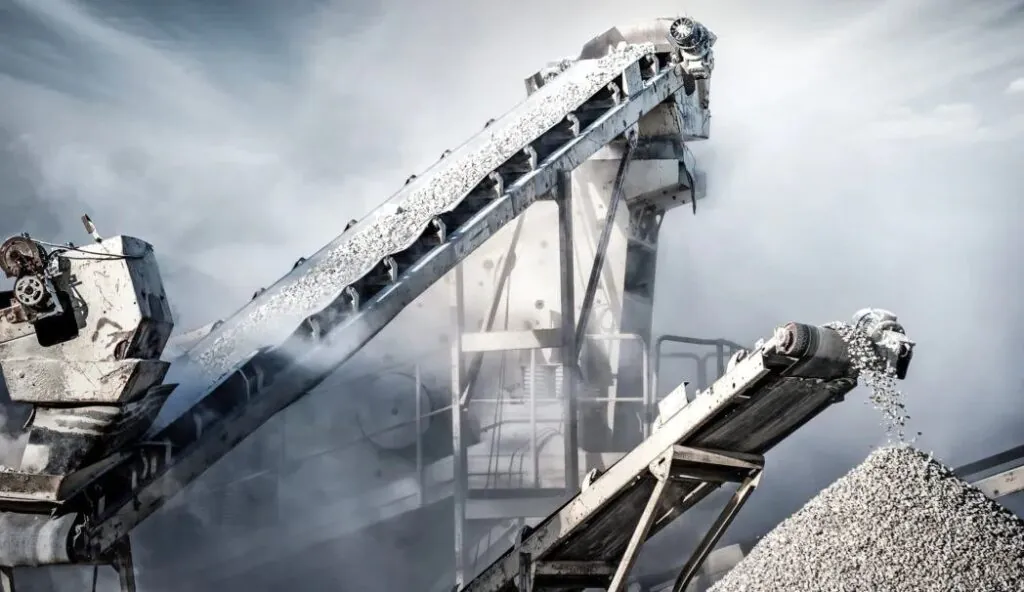
Key Steps in Cement Wastewater Treatment
A typical treatment system uses a physical-chemical process to remove suspended solids and neutralize alkalinity.
1. Coagulation: Initial Particle Destabilization
Wastewater contains fine colloidal particles that naturally repel each other, preventing sedimentation.
Primary Chemical: Polyaluminium Chloride (PAC)
Polyaluminium Chloride (PAC) is a high-efficiency inorganic coagulant that:
- Neutralizes negative particle charges
- Forms microscopic microflocs
- Works effectively across a wide pH range
- Produces dense and compact flocs
Compared to traditional alum, PAC requires lower dosage and generates less sludge volume.
2. Flocculation: Formation of Large Settleable Flocs
After coagulation, flocculation builds larger, visible flocs capable of rapid settling.
Primary Chemical: Polyacrylamide (PAM)
Anionic or non-ionic Polyacrylamide (PAM) acts as a high molecular weight flocculant by:
- Bridging microflocs together
- Forming large, heavy flocs
- Accelerating sedimentation
- Improving treated water clarity
A properly selected PAM significantly enhances solid-liquid separation efficiency.
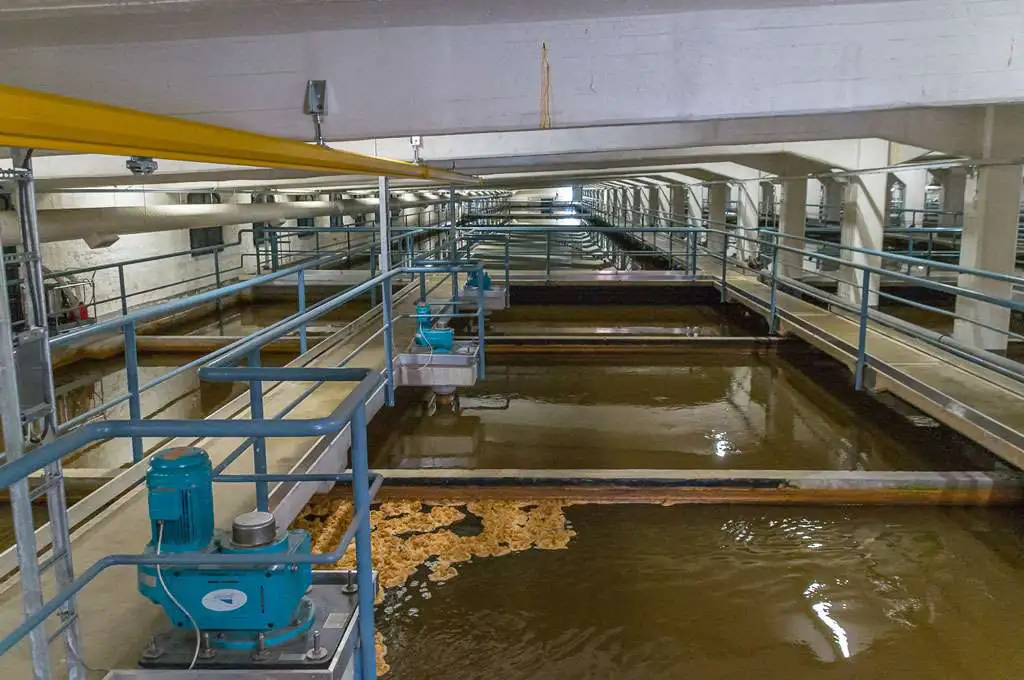
Complete Cement Wastewater Treatment Workflow
An integrated treatment system typically follows these steps:
1. Equalization
Wastewater is collected and homogenized in an equalization tank.
2. pH Adjustment
Acid is added to neutralize excessive alkalinity.
3. Rapid Mixing (Coagulation Stage)
PAC is dosed and rapidly mixed to ensure uniform dispersion.
4. Slow Mixing (Flocculation Stage)
PAM is added and gently mixed to promote floc growth without shear damage.
5. Sedimentation
Large flocs settle in a clarifier, separating solids from water.
6. Filtration & Reuse
Clarified water is filtered and reused for:
- Equipment cooling
- Dust suppression
- Equipment washing
- Zero-discharge objectives
Advantages of Using Our PAC and PAM
High Treatment Efficiency
- Strong coagulation performance
- Optimized polymer formulations
- Reduced chemical consumption
Rapid Sedimentation
- Large, dense flocs
- Higher clarifier throughput
- Faster processing cycles
Superior Water Clarity
- Low turbidity supernatant
- Suitable for industrial reuse
Reduced Sludge Volume
- Denser sludge formation
- Lower disposal and handling costs
Sustainable Cement Production Starts Here
For cement plants seeking improved sustainability and operational efficiency, combining high-performance Polyaluminium Chloride (PAC) and Polyacrylamide (PAM) is the foundation of a robust wastewater treatment system.
Contact our technical team today to select the optimal PAC and PAM grades tailored to your cement wastewater characteristics and achieve maximum treatment performance.