 Skip to content
Ice melt calcium chloride is one of the most effective and widely used deicing materials for winter snow and ice control. Compared to traditional rock salt, it works faster, performs at lower temperatures, and requires less product per application.
If you are a homeowner, property manager, distributor, or municipality, this guide explains everything you need to know about calcium chloride ice melt.
What Is Ice Melt Calcium Chloride?
Ice melt calcium chloride (CaCl₂) is a hygroscopic compound designed to:
- Absorb moisture rapidly
- Lower the freezing point of water
- Generate heat when dissolving
- Accelerate ice melting even in extreme cold
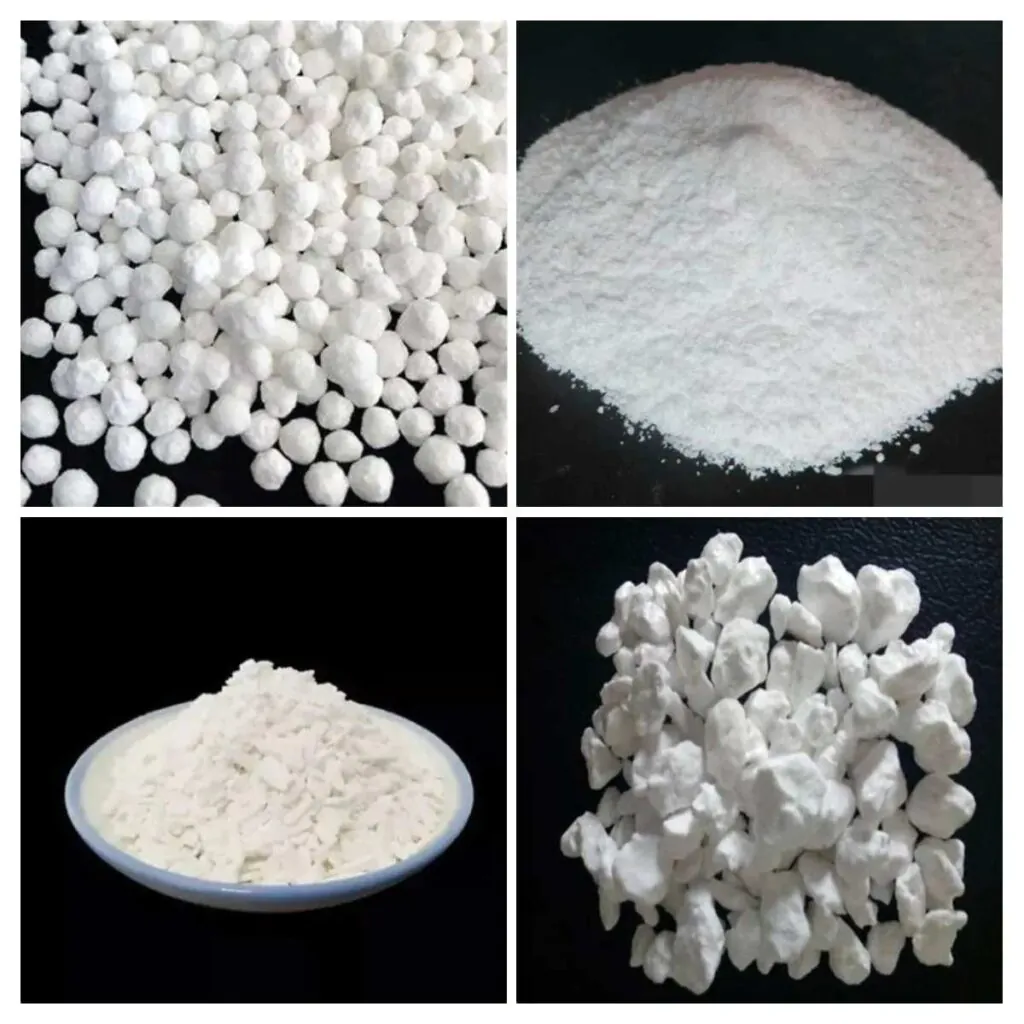
It is commonly available in:
- Pellets
- Flakes
- Granules
Because of its chemical properties, calcium chloride is considered a premium ice melt product.
How Does Calcium Chloride Melt Ice?
Calcium chloride works through freezing point depression and an exothermic reaction.
Step-by-step melting process:
- Absorbs moisture from the ice surface
- Dissolves into a brine solution
- Lowers the freezing point of water
- Releases heat during dissolution
- Breaks the bond between ice and pavement
This dual-action process makes ice melt calcium chloride significantly faster than sodium chloride.
Temperature Performance Comparison
One of the biggest advantages of ice melt calcium chloride is its low-temperature effectiveness.
| Deicing Material | Effective Temperature |
|---|---|
| Rock Salt (NaCl) | Down to 20°F (-6°C) |
| Magnesium Chloride | Down to 5°F (-15°C) |
| Calcium Chloride (CaCl₂) | Down to -25°F (-32°C) |
This makes calcium chloride the preferred solution in:
- Northern U.S. states
- Canada
- Northern Europe
- High-altitude regions
Key Benefits of Ice Melt Calcium Chloride
1. Fastest Melting Action
Calcium chloride starts working immediately upon contact with ice. This rapid response is critical for:
- Hospitals
- Emergency facilities
- Commercial entrances
- Municipal road systems
2. Lower Application Rate
Because of its high efficiency:
- Less product is needed
- Reduced labor cost
- Lower storage space required
- Less post-winter residue
This improves cost-effectiveness over the entire winter season.
3. Works in Extreme Cold
Unlike traditional salt, ice melt calcium chloride continues performing in sub-zero conditions.
This ensures consistent safety throughout harsh winters.
How to Apply Ice Melt Calcium Chloride Correctly

Step 1 – Remove Loose Snow
Clear as much snow as possible before applying the product.
Step 2 – Even Distribution
Spread pellets evenly across the icy surface using:
- Hand spreader
- Mechanical spreader
- Scoop application for small areas
Step 3 – Avoid Overuse
A thin layer is sufficient. Over-application does not increase melting speed and may increase runoff.
Step 4 – Remove Slush
After melting, remove slush to prevent refreezing.
Environmental Considerations
Like all chloride-based deicers, responsible usage is important.
Potential Environmental Impact:
- Soil salinity increase
- Vegetation damage (overuse)
- Chloride runoff into waterways
Best Practices:
- Follow recommended dosage
- Avoid application before heavy rainfall
- Sweep excess material after melting
- Store in dry conditions to prevent leakage
When properly applied, calcium chloride can be managed responsibly with minimal environmental impact.
Is Calcium Chloride Safe for Pets?
Calcium chloride may cause mild irritation to pet paws.
Safety Tips:
- Use pet-friendly labeled formulas
- Wipe or rinse paws after walks
- Store product away from children and animals
- Wear gloves when handling bulk quantities
Frequently Asked Questions (FAQ)
Is calcium chloride better than rock salt?
Yes. Ice melt calcium chloride works at lower temperatures and melts ice faster than rock salt.
How long does calcium chloride take to melt ice?
It begins working immediately and can start melting within minutes, depending on temperature and ice thickness.
Does calcium chloride damage concrete?
When used correctly and not over-applied, calcium chloride is generally safe for cured concrete. Avoid applying to newly poured concrete less than one year old.
How much calcium chloride should I use per square foot?
Application rates vary, but typically 2–4 ounces per square yard is sufficient for light to moderate ice.
Why Ice Melt Calcium Chloride Is the Professional Choice
Contractors, municipalities, and winter maintenance professionals prefer calcium chloride because it offers:
- Reliable performance
- Reduced material usage
- Low-temperature effectiveness
- Faster safety restoration
For bulk supply, OEM packaging, or private label ice melt calcium chloride, contact our team for technical specifications and winter supply solutions.


