Skip to content
Calcium chloride is widely used in industries ranging from water treatment and food processing to road deicing and oil drilling. One frequently asked question is:
Does calcium chloride affect pH?
Understanding how calcium chloride interacts with water and influences acidity or alkalinity is essential for professionals in chemistry, environmental management, food production, and industrial operations.
This article explores:
- The chemistry behind calcium chloride dissolution
- Its interaction with water
- Whether it raises, lowers, or stabilizes pH
- Practical implications in real-world applications
What Is Calcium Chloride?
Calcium chloride (CaCl₂) is an inorganic salt composed of calcium and chlorine ions. It is:
- Highly soluble in water
- Hygroscopic (absorbs moisture from air)
- Exothermic when dissolved (releases heat)
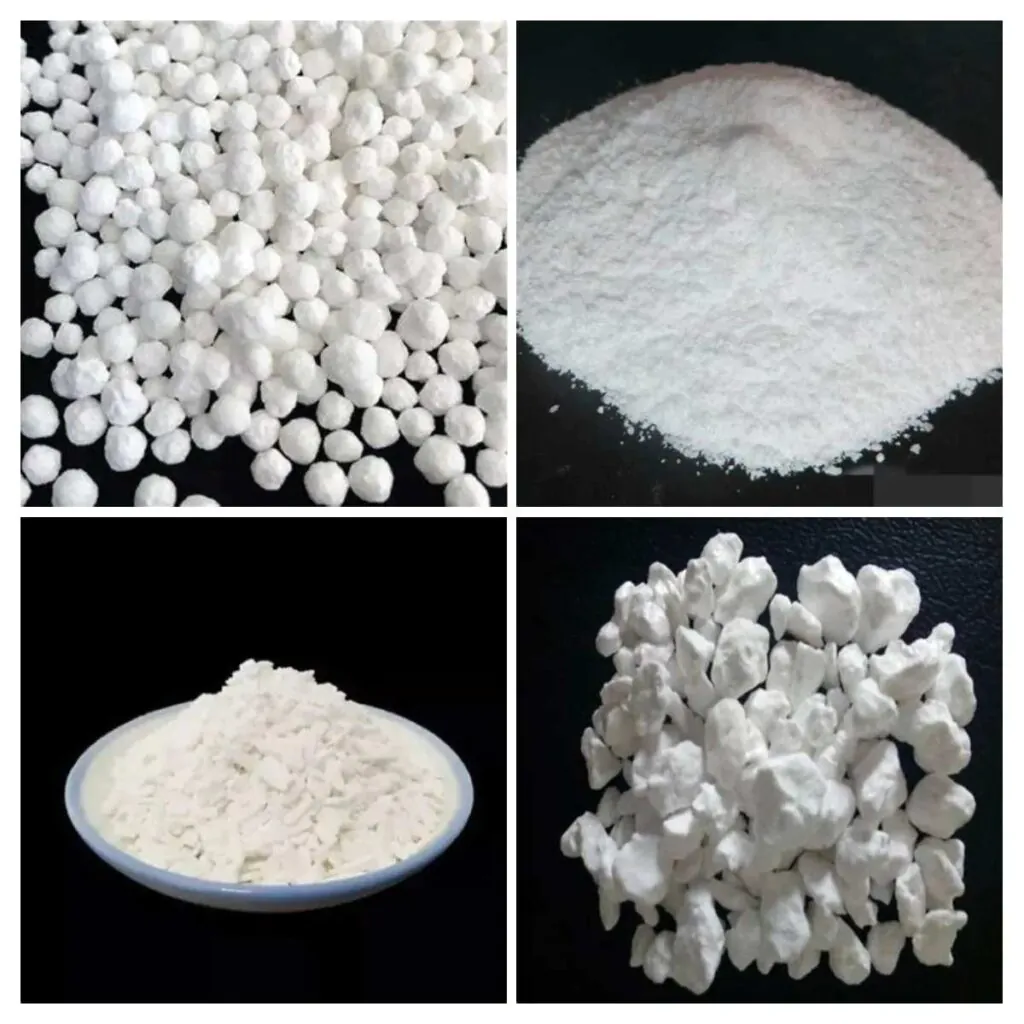
Because of these properties, calcium chloride is widely used for:
- Deicing roads
- Dust control
- Food preservation
- Concrete acceleration
- Water treatment
Understanding the pH Scale
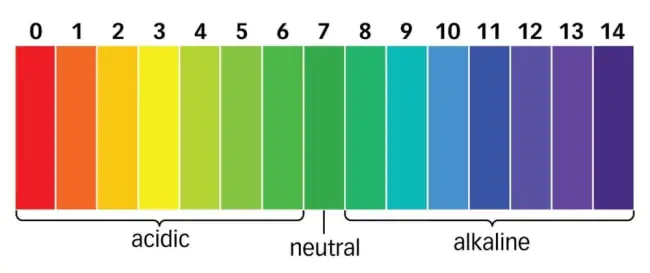
pH measures the acidity or alkalinity of a solution on a scale of 0 to 14:
- pH < 7 → Acidic
- pH = 7 → Neutral
- pH > 7 → Alkaline
pH depends on the concentration of hydrogen ions (H⁺) in water. Changes in ionic composition can influence hydrogen ion activity, which may slightly shift pH values.
Maintaining proper pH is critical in:
- Chemical reactions
- Biological systems
- Industrial water treatment
- Food safety processes
What Happens When Calcium Chloride Dissolves in Water?
When calcium chloride dissolves:
CaCl₂ → Ca²⁺ + 2Cl⁻
It dissociates completely into calcium ions and chloride ions.
Important point:
- Calcium chloride is a salt formed from a strong acid (HCl) and a strong base (Ca(OH)₂).
- Salts from strong acid + strong base generally produce neutral solutions.
Therefore:
👉 Pure calcium chloride solution is typically neutral to slightly acidic (pH ~6.5–7.5).
Why Can Calcium Chloride Slightly Affect pH?
Although CaCl₂ itself does not strongly change pH, several factors may cause minor variation:
1️⃣ Ionic Strength Effect
The presence of Ca²⁺ increases ionic strength, which can influence hydrogen ion activity measurements.
2️⃣ Impurities in Industrial Grade Material
Industrial-grade calcium chloride may contain trace acidic impurities that slightly lower pH.
3️⃣ Environmental Interaction
In open systems, dissolved CO₂ can form carbonic acid, mildly lowering pH.
4️⃣ Water Composition
The final pH depends on:
- Initial water chemistry
- Buffer capacity
- Presence of carbonates or other salts
Practical Applications and pH Considerations
1. Food Processing
Calcium chloride is used to maintain firmness in canned vegetables and tofu production.
- It does not significantly alter food pH.
- pH control remains stable when properly dosed.
2. Road Deicing
When used as a deicer:
- It lowers freezing point efficiently.
- Environmental runoff may slightly influence soil chemistry but does not drastically shift pH compared to acidic salts.
3. Swimming Pools
Calcium chloride is used to:
- Increase calcium hardness
- Stabilize water balance
It does not significantly raise pH, unlike soda ash or lime.
4. Water Treatment Systems
In wastewater and industrial systems:
- It improves coagulation performance in some conditions.
- It does not function as a primary pH adjuster.
Case Studies: Real-World Observations
Industrial Water Treatment
Operators using calcium chloride in high-ionic-strength systems observed:
- Minimal pH shift
- Improved mineral balance stability
Food Preservation
Food manufacturers confirmed:
- Structural firmness improvement
- No significant pH deviation when controlled dosing is applied
These cases confirm that calcium chloride is chemically stable and predictable in pH behavior.
Common Misconceptions
❌ Calcium chloride is not a strong acid.
❌ It does not drastically lower pH.
❌ It is not used as a primary alkalinity adjuster.
It is best understood as a neutral salt with minor influence under normal conditions.
Frequently Asked Questions
Does calcium chloride raise or lower pH?
It typically produces a neutral solution. Minor variations may occur depending on water chemistry.
Is calcium chloride acidic?
No. It is a neutral salt derived from a strong acid and strong base.
Can calcium chloride be used to adjust pH?
It is not commonly used for direct pH adjustment.
Why does my solution show slightly lower pH after adding calcium chloride?
This may result from impurities, CO₂ absorption, or ionic strength effects.
Conclusion
Calcium chloride has minimal direct impact on pH under normal conditions. As a neutral salt formed from strong acid and strong base, it produces solutions that remain close to neutral.
However, secondary factors such as water composition, impurities, and environmental exposure may cause slight variations.
Understanding these mechanisms allows professionals to:
- Optimize industrial processes
- Maintain chemical balance
- Ensure product safety and environmental compliance
By recognizing how calcium chloride behaves chemically, industries can apply it confidently without unexpected pH instability.