Skip to content
Selecting the correct polyacrylamide (PAM) grade is one of the most critical decisions in wastewater treatment and solid-liquid separation processes. Using the wrong ionic type or molecular weight can reduce efficiency, increase sludge volume, and raise chemical costs.
This guide explains how to choose the right PAM grade based on wastewater characteristics, industry requirements, and operational conditions.
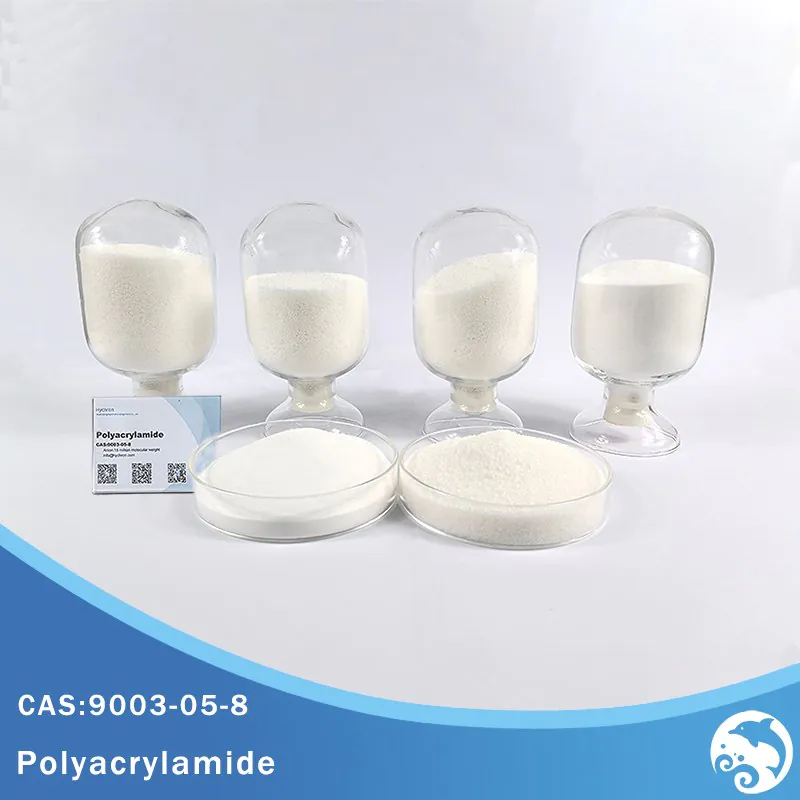
Understanding PAM Classification
Polyacrylamide is categorized based on ionic charge and molecular weight. These two parameters determine performance.
1️⃣ Ionic Type
PAM is generally divided into:
- Cationic PAM (CPAM) – Positively charged
- Anionic PAM (APAM) – Negatively charged
- Nonionic PAM (NPAM) – Neutral charge
The correct choice depends on the charge characteristics of suspended particles in the wastewater.
2️⃣ Molecular Weight
PAM molecular weight typically ranges from 5 to 20 million Daltons (Da).
- Low molecular weight: Faster dissolution, smaller flocs
- Medium molecular weight: Balanced performance
- High molecular weight: Larger, stronger flocs for high-solids systems
Higher molecular weight usually improves bridging ability but may require stronger mixing control to avoid floc shear.
Step 1: Match Ionic Type to Wastewater Characteristics
The most important factor in grade selection is particle charge.
When to Choose Cationic PAM
Cationic PAM is ideal for wastewater rich in negatively charged organic matter, such as:
- Municipal sludge dewatering
- Livestock wastewater
- Food processing effluent
- Biological sludge treatment
Activated sludge particles are typically negatively charged, which is why CPAM is commonly used in municipal sludge dewatering systems.
When to Choose Anionic PAM
Anionic PAM works best for positively charged particles and mineral suspensions:
- Mining tailings
- Sand and gravel washing
- Coal preparation plants
- Inorganic sludge thickening
APAM is particularly effective in high suspended solids (SS) environments with low organic content.
When to Choose Nonionic PAM
Nonionic PAM is used when:
- Wastewater has low ionic strength
- pH conditions fluctuate significantly
- Particle charge is weak or inconsistent
It is often used in specific mineral processing or as a filtration aid.
Step 2: Determine Molecular Weight Based on Solids Content
Suspended solids concentration (SS) influences molecular weight selection.
| Suspended Solids Level | Recommended MW | Application Example |
|---|---|---|
| < 500 mg/L | 5–8 million | Clarified industrial discharge |
| 500–5,000 mg/L | 8–12 million | Food or textile wastewater |
| > 5,000 mg/L | 12–18 million | Mining slurry or manure lagoon |
Higher molecular weight polymers form larger flocs, improving settling speed and reducing turbidity. However, excessive molecular weight may increase solution viscosity and complicate dosing.
Step 3: Consider Sludge Dewatering Requirements
If your goal is sludge dewatering, additional parameters must be evaluated:
- Desired cake dryness
- Belt press or centrifuge type
- Polymer preparation system
For mechanical dewatering systems:
- Cationic PAM with medium-to-high charge density is typically preferred.
- Proper dosage often ranges between 1–5 kg polymer per ton of dry solids, depending on sludge type.
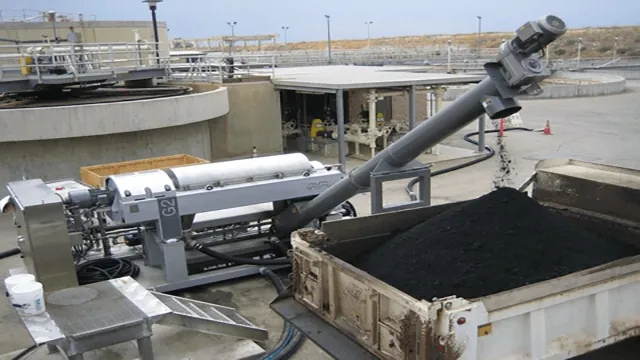
Optimizing polymer selection can significantly reduce sludge moisture content and transportation costs.
Step 4: Evaluate Operational Conditions
Several environmental and operational factors affect PAM performance:
pH Range
Most PAM grades perform effectively within pH 4–10, but optimal performance is typically seen between pH 6–8.
Temperature
Low temperatures (<10°C) slow floc formation. In colder regions, selecting slightly higher molecular weight grades may compensate for slower kinetics.
Salinity
High salinity can reduce the effectiveness of certain cationic polymers. In such cases, modified or specially formulated grades may be required.
Step 5: Always Conduct Jar Testing
No two wastewater streams are identical. Laboratory jar testing helps determine:
- Optimal ionic type
- Appropriate molecular weight
- Correct dosage range
Testing prevents overdosing, which can restabilize particles and reduce clarification efficiency.
A structured jar testing process typically includes:
- Screening 3–5 polymer grades
- Adjusting dosage incrementally
- Measuring turbidity reduction and settling time
- Evaluating floc size and strength
Common Mistakes When Choosing PAM
- Selecting based solely on price
- Ignoring wastewater charge characteristics
- Overlooking temperature and pH impact
- Skipping laboratory validation
- Using one universal grade for all processes
These mistakes often result in higher chemical costs and inconsistent treatment performance.
Industry-Specific Recommendations
Municipal Wastewater
- Cationic PAM
- Medium molecular weight
- Optimized for sludge dewatering
Mining & Mineral Processing
- Anionic PAM
- High molecular weight
- Designed for rapid sedimentation
Livestock & Agriculture
- Cationic PAM
- Medium-to-high molecular weight
- Targeted at manure-rich wastewater
Food & Beverage
- Medium molecular weight
- Charge type determined by organic content
Conclusion
Choosing the right PAM grade requires a clear understanding of wastewater chemistry, solids concentration, operational conditions, and treatment goals. Matching ionic type and molecular weight to application ensures:
- Faster settling
- Reduced sludge volume
- Lower chemical consumption
- Improved regulatory compliance
Careful selection and proper testing maximize treatment efficiency and reduce long-term operational costs.