 Skip to content
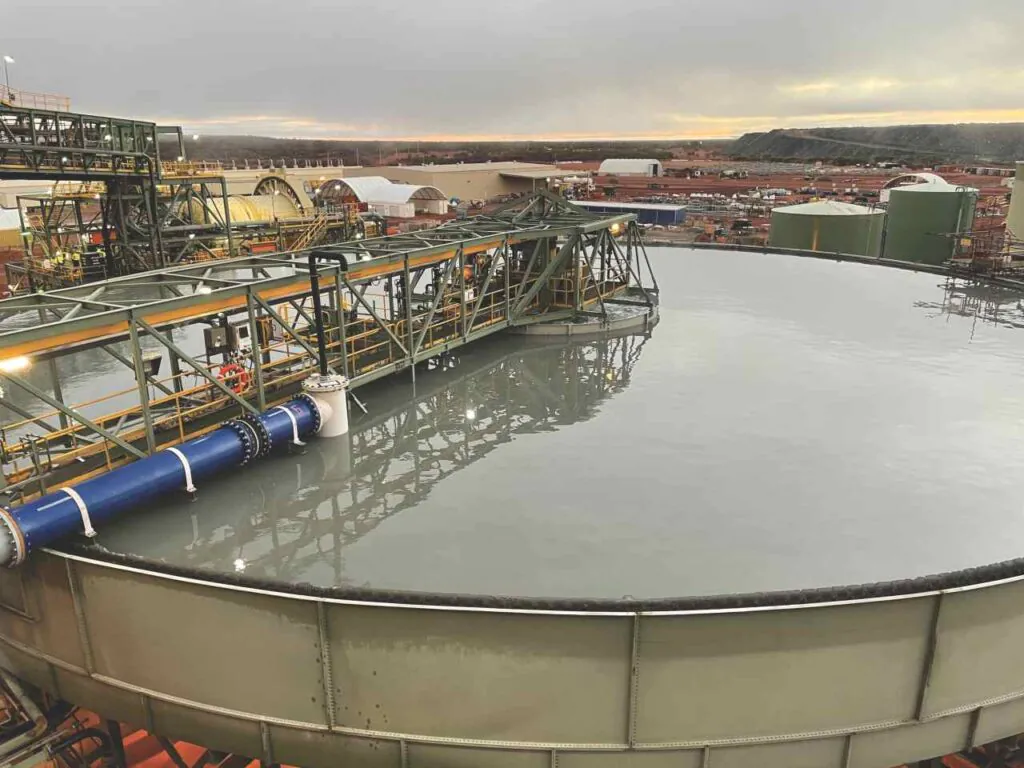
Mining and mineral processing operations handle massive volumes of slurry every day. Efficient solid-liquid separation is essential for:
- Maximizing mineral recovery
- Improving water reuse
- Reducing tailings volume
- Lowering operational costs
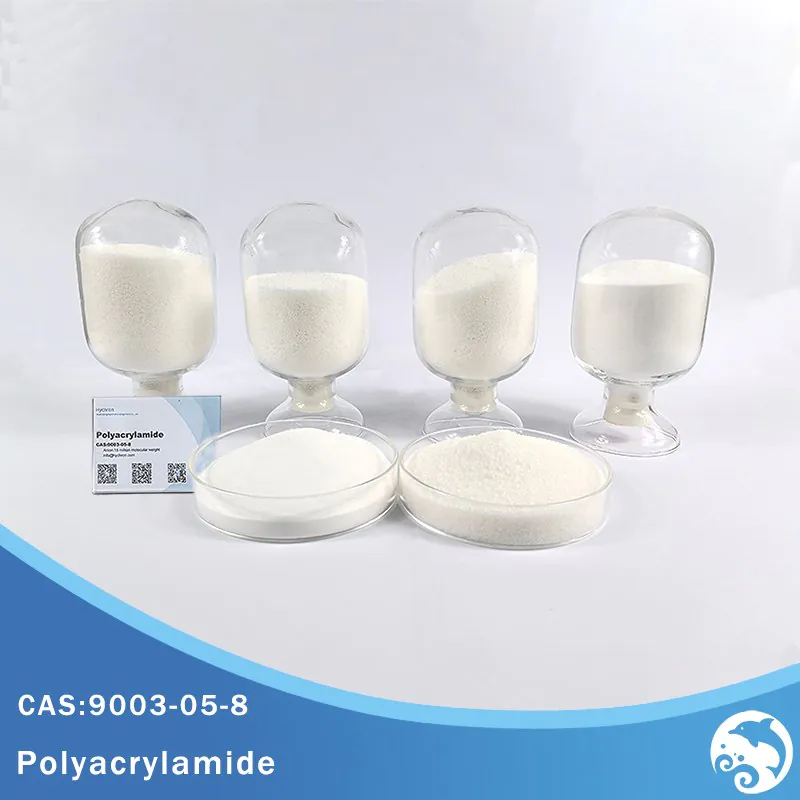
Polyacrylamide (PAM) is widely used as a flocculant in thickeners, tailings ponds, and clarification systems to enhance sedimentation and improve process stability.
Why Mining Operations Rely on PAM
Mining slurries often contain:
- Fine mineral particles
- Clay and silts
- Process chemicals
- High suspended solids concentration
Without effective flocculation:
- Settling rates are slow
- Overflow clarity decreases
- Water recovery drops
- Tailings storage volume increases
Main Applications of PAM in Mining
1️⃣ Thickener Settling Acceleration
In mineral thickeners, PAM helps:
- Increase floc size
- Improve settling velocity
- Enhance underflow density
- Improve overflow clarity
Efficient thickening improves process water recycling and reduces fresh water demand.
2️⃣ Tailings Management
Tailings often contain ultra-fine particles that settle slowly. PAM assists by:
- Promoting rapid sedimentation
- Reducing suspended solids in supernatant water
- Supporting safer tailings pond operation
Improved tailings consolidation can reduce long-term storage risks and environmental impact.
3️⃣ Water Recovery Optimization
Water scarcity is a growing concern in mining regions. Effective flocculation allows:
- Faster water clarification
- Higher water reuse rates
- Reduced freshwater intake
Efficient water recycling improves both sustainability and cost control.
Choosing the Right PAM for Mining Applications
Mining systems often require:
- High molecular weight polymers
- Anionic PAM for most mineral slurries
- Proper charge density matching
Polymer selection depends on:
- Ore type
- Particle size distribution
- Slurry concentration
- pH and ionic conditions
For guidance on selecting the appropriate grade, refer to:
👉 Choosing the Right PAM Grade for Your Industry
Typical Dosage Considerations
Actual dosage varies depending on slurry characteristics and thickener design. Optimization through laboratory or on-site testing is standard practice.
Overdosing may cause:
- Increased chemical cost
- Slower settling due to floc overgrowth
Under-dosing may lead to:
- Poor overflow clarity
- Low underflow density
Regular testing ensures stable performance.
Common Operational Challenges
| Challenge | Impact | PAM Strategy |
|---|---|---|
| Fine clay particles | Slow settling | Increase molecular weight |
| High salinity water | Reduced floc efficiency | Adjust charge density |
| Variable feed solids | Unstable thickener operation | Dynamic dosage control |
| Poor overflow clarity | Water reuse issues | Optimize floc formation |
For operational mistakes that may reduce efficiency, see:
👉 Common Mistakes When Using PAM in Treatment Plants
Economic Impact of Proper Flocculant Optimization
In mining operations, small improvements in thickening efficiency can lead to:
- Increased plant throughput
- Reduced tailings management cost
- Lower water procurement expenses
- Improved compliance performance
Because mining facilities operate at large scale, polymer optimization can have significant annual financial impact.
Why Mining Companies Review Flocculant Performance Regularly
Ore characteristics change over time due to:
- New mining zones
- Seasonal water variation
- Process adjustments
Periodic polymer evaluation ensures:
- Stable thickener operation
- Improved water clarity
- Controlled chemical expenditure
Conclusion: Turn Flocculation into a Competitive Advantage
In mining and mineral processing, flocculation efficiency directly affects production stability, water recovery, and tailings management.
The right PAM solution helps you:
- Increase settling efficiency
- Improve overflow clarity
- Enhance water reuse
- Reduce long-term tailings costs
But performance depends on precise grade selection and real-world testing.
If your operation is experiencing slow settling, unstable thickener performance, or rising water management costs, it may be time to evaluate your current flocculant strategy.
Our technical team can:
- Analyze your slurry characteristics
- Recommend optimized PAM grades
- Support on-site or laboratory testing
- Provide customized supply solutions
Contact us today to request a sample or technical consultation — and start improving your mineral processing efficiency with the right polymer solution.


