Skip to content
Soil instability is a major challenge in construction, agriculture, mining, and infrastructure development. Loose soil, erosion, and sediment runoff can lead to:
- Structural instability
- Reduced crop productivity
- Increased maintenance costs
- Environmental compliance issues
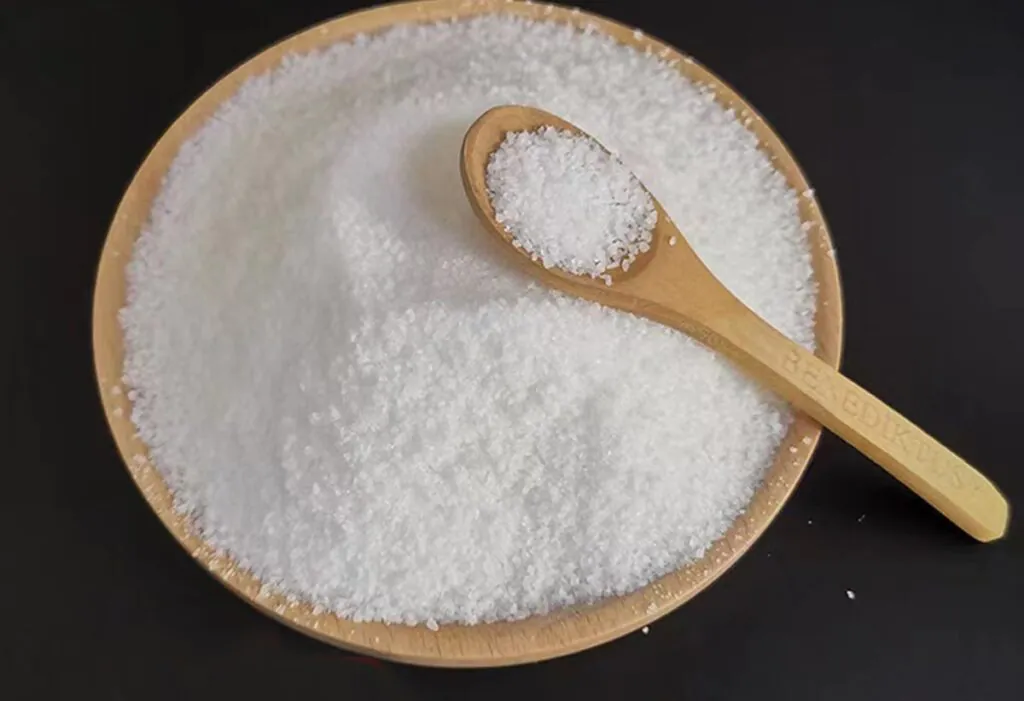
Anionic Polyacrylamide (PAM) is widely used as a soil stabilization agent to improve soil structure, reduce erosion, and enhance water infiltration efficiency.
Why Anionic PAM Is Used for Soil Stabilization
Most soil particles, particularly clay and silt, carry a slight negative surface charge. Anionic PAM works through:
- Polymer chain bridging
- Aggregate formation
- Improved soil particle cohesion
Unlike cationic polymers (often used in sludge systems), anionic PAM is preferred for soil applications due to lower environmental risk and compatibility with mineral soils.
For general polymer selection guidance, see:
👉 Choosing the Right PAM Grade for Your Industry
Main Applications of Anionic PAM in Soil Projects
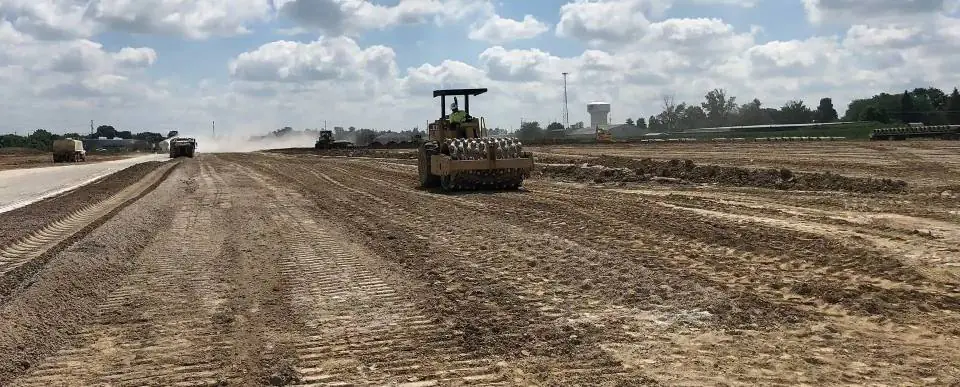
1️⃣ Construction Site Soil Stabilization
During site preparation and grading, exposed soil is vulnerable to wind and water erosion.
Anionic PAM helps:
- Bind fine particles
- Reduce dust generation
- Improve compaction stability
- Minimize sediment runoff
This is especially valuable in:
- Road construction
- Pipeline installation
- Large-scale earthwork projects
2️⃣ Slope and Embankment Protection
Steep slopes are prone to surface erosion during rainfall events.
PAM application:
- Increases surface cohesion
- Reduces soil detachment
- Improves vegetation establishment
3️⃣ Agricultural Soil Improvement
In irrigation agriculture, PAM supports:
- Improved water infiltration
- Reduced irrigation-induced erosion
- Better soil structure stability
By stabilizing soil aggregates, PAM can reduce sediment loss from furrow irrigation systems.
Typical Application Methods
Anionic PAM can be applied through:
- Spray application on exposed soil
- Mixed into irrigation water
- Surface broadcasting followed by light incorporation
Application rates vary depending on soil type and project requirements. Optimization through small-scale field testing is recommended before large deployment.
Environmental and Safety Considerations
Modern anionic PAM products used for soil stabilization are:
- Water-soluble
- Applied at low concentrations
- Designed to minimize environmental impact when properly used
Correct product selection and responsible application are essential to ensure compliance with local environmental regulations.
For understanding polymer behavior in water systems, see:
👉 How Polyacrylamide (PAM) Boosts Wastewater Treatment Efficiency
Common Mistakes in Soil Stabilization Projects
| Mistake | Impact | Solution |
|---|---|---|
| Over-application | Surface crusting | Follow recommended dosage |
| Poor mixing | Uneven performance | Use proper dilution and spraying |
| Wrong polymer type | Low effectiveness | Use anionic PAM |
| No pre-testing | Cost waste | Conduct pilot application |
Cost Benefits for Engineering Projects
Anionic PAM soil stabilization can help reduce:
- Maintenance frequency
- Sediment control expenses
- Repair costs after heavy rainfall
- Dust suppression operations
Because erosion damage can lead to project delays and regulatory penalties, preventive stabilization often provides strong return on investment.
Conclusion: A Smarter Approach to Soil Stability
Soil stabilization is not just about temporary control — it is about long-term performance and risk reduction.
Anionic PAM provides:
- Improved soil cohesion
- Reduced erosion risk
- Enhanced water management
- Better project durability
Whether you are managing a construction site, slope protection project, or agricultural field, selecting the right soil stabilization polymer can significantly improve outcomes.
If your project requires reliable erosion control or soil stabilization support, our team can help evaluate your soil conditions and recommend a suitable anionic PAM solution.
Contact us today to request technical guidance or product samples for your next project.