
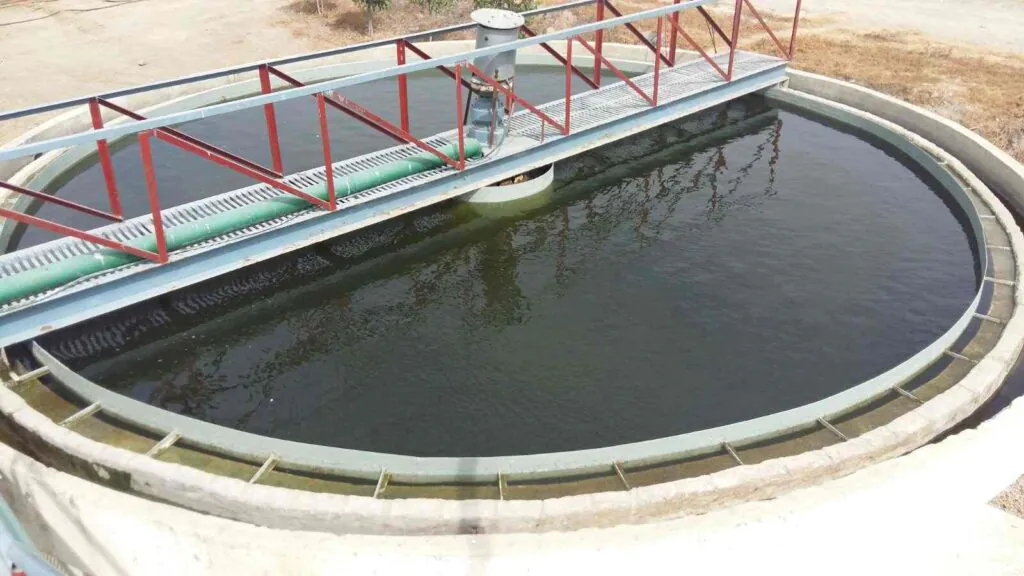
Clarifiers play a critical role in wastewater treatment systems by separating suspended solids from water. Slow settling can lead to:
- High turbidity in effluent
- Overflow solids loss
- Reduced plant capacity
- Increased chemical consumption
- Sludge accumulation issues
When sedimentation efficiency decreases, overall plant performance suffers.
Improving settling speed is not only about faster clarification — it directly impacts operational stability and cost control.
How Polyacrylamide Enhances Settling Performance
Polyacrylamide (PAM) acts as a high-efficiency flocculant through polymer bridging and charge neutralization.
1️⃣ Formation of Larger and Denser Flocs
Properly selected PAM promotes aggregation of fine suspended particles into larger flocs.
Larger flocs:
- Settle faster
- Resist hydraulic shear
- Reduce effluent suspended solids
This directly improves clarifier throughput.
2️⃣ Improved Sludge Compaction
Enhanced floc structure allows solids to compact more effectively at the bottom of the clarifier.
Benefits include:
- Reduced sludge blanket height
- Lower sludge carryover risk
- More stable sludge withdrawal
3️⃣ Reduced Coagulant Dependency
When flocculation efficiency increases, the demand for primary coagulants can often be reduced.
👉How to Reduce Chemical Costs with PAM
Optimized polymer selection leads to both better performance and lower overall chemical expenditure.
Selecting the Right PAM for Clarifier Applications
Settling speed improvement depends heavily on selecting the correct polymer grade.
Key factors include:
- Ionic type (cationic, anionic, nonionic)
- Molecular weight
- Charge density
- Wastewater characteristics
Improper selection may cause:
- Over-flocculation
- Floating sludge
- Poor compaction
- Excess polymer consumption
👉Choosing the Right PAM Grade for Your Industry
Correct grade matching is essential for stable clarifier performance.
Operational Best Practices
To maximize settling efficiency:
✔ Conduct jar testing before full-scale dosing✔ 在全面投加前进行烧杯试验
✔ Adjust polymer feed point location✔ 调整聚合物进料点位置
✔ Optimize dilution concentration✔ 优化稀释浓度
✔ Monitor sludge blanket level✔ 监测污泥层厚度
Even small process adjustments combined with high-quality PAM can significantly improve sedimentation results.
Why Polymer Quality Affects Clarifier Stability
Inconsistent polymer quality often leads to:
- Variable floc size
- Unstable effluent clarity
- Emergency dosage adjustments
- Increased operational risk
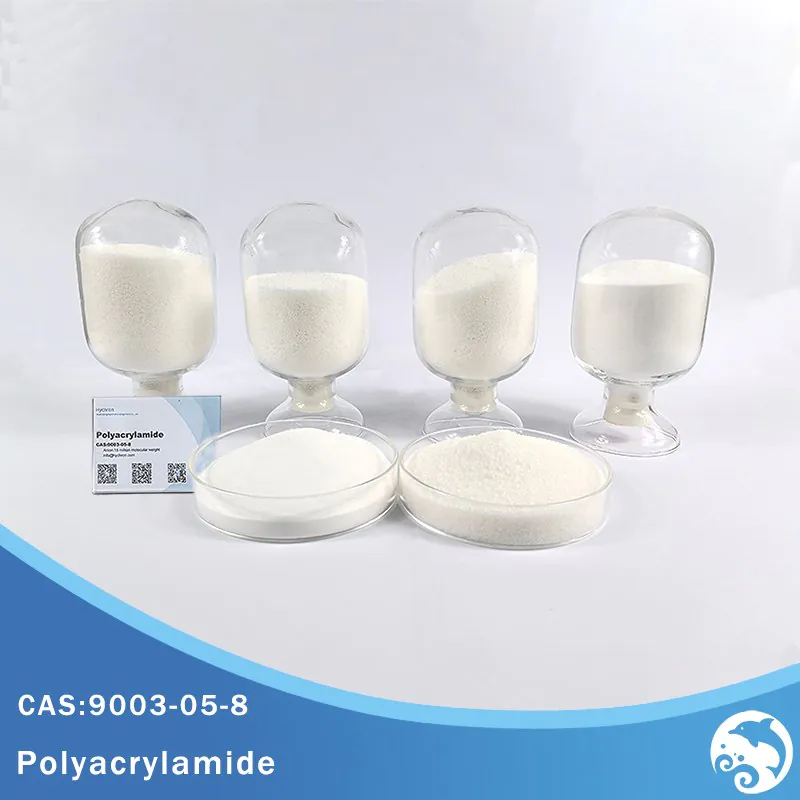
Our polyacrylamide products provide:
- Stable molecular weight control
- Customizable charge density
- Fast dissolution characteristics
- Consistent industrial production batches
- Technical support for clarifier optimization
We help treatment plants increase settling efficiency while maintaining cost control.
Upgrade Your Clarifier Performance
If your system experiences:
- Slow sedimentation
- High turbidity
- Sludge blanket instability
- Excess chemical use
It may be time to optimize your polymer strategy.
📩 Contact us today for:
- Technical grade recommendation
- Free sample testing
- Clarifier performance consultation
- Competitive bulk pricing
Improving settling speed is one of the fastest ways to enhance overall wastewater treatment efficiency — and the right polyacrylamide makes the difference.

