
Belt filter presses are widely used in municipal and industrial wastewater treatment plants for sludge dewatering. However, many facilities face ongoing challenges such as:
- Low sludge cake dryness
- High polymer consumption
- Filtrate turbidity issues
- Belt clogging and washing frequency
- Unstable throughput capacity
Optimizing belt press performance is not just about equipment adjustments — polymer selection plays a decisive role.
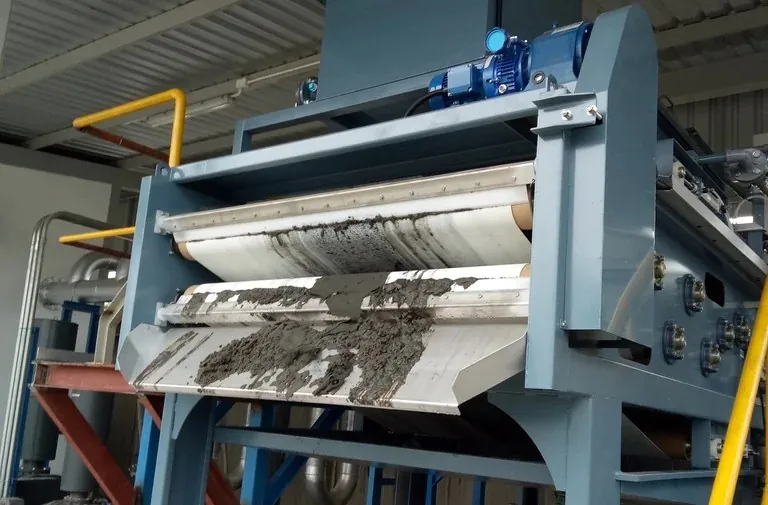
How Cationic PAM Enhances Belt Press Efficiency
Cationic polyacrylamide is specifically designed to treat organic sludge commonly found in municipal and industrial wastewater systems.
1️⃣ Improved Floc Formation Before Dewatering
Properly selected cationic PAM promotes strong floc formation in sludge conditioning tanks.
Stronger flocs lead to:
- Faster water release
- Better gravity drainage on the belt
- More uniform sludge distribution
Stable flocs reduce solids loss into filtrate.
2️⃣ Higher Sludge Cake Dryness
Optimized polymer conditioning improves solid-liquid separation during pressing stages.
Benefits include:
- Lower final moisture content
- Reduced sludge volume
- Lower disposal and transport costs
If you want to understand how sludge dryness directly impacts total cost, you may also refer to:
👉 How to Reduce Chemical Costs with PAM
Cost reduction often starts with better dewatering performance.
3️⃣ Reduced Polymer Consumption Through Proper Grade Selection
Using incorrect charge density or molecular weight often results in overdosing.
Selecting the correct grade ensures:
- Efficient charge neutralization
- Strong polymer bridging
- Lower dosage per ton of dry solids
For a deeper explanation of polymer selection principles, you may find this guide helpful:
👉 Choosing the Right PAM Grade for Your Industry
Proper grade matching significantly stabilizes belt press operation.
Key Factors in Belt Press Optimization
To maximize dewatering efficiency:
✔ Conduct jar testing for sludge-specific grade selection
✔ Adjust polymer dosing point and mixing intensity
✔ Maintain proper dilution ratio (typically 0.1–0.3% solution)
✔ Monitor belt speed and pressure settings
✔ Ensure consistent polymer dissolution
Small adjustments combined with high-quality cationic PAM can dramatically improve performance.
Common Problems Caused by Low-Quality Polymer
Inconsistent polymer quality may cause:
- Floc breakage during shear
- Sludge sticking to belts
- High wash water consumption
- Variable cake dryness
- Increased operational instability
Reliable polymer supply ensures stable treatment results.
Why Our Cationic PAM Supports Stable Belt Press Operation
Our polyacrylamide products are manufactured with:
- Controlled molecular weight distribution
- Adjustable charge density options
- Low residual monomer content
- Consistent batch quality
- Industrial-scale production capacity
We provide technical assistance for sludge evaluation and grade optimization to help clients achieve maximum belt press efficiency.
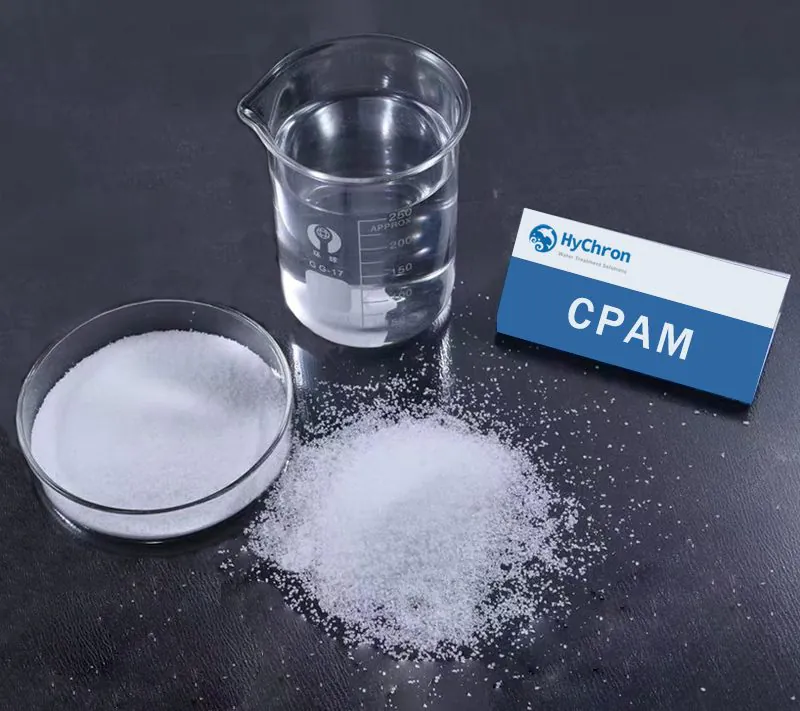
Upgrade Your Belt Press Performance Today
If your system is experiencing:
- High polymer cost
- Low cake dryness
- Belt clogging issues
- Unstable dewatering performance
It may be time to optimize your polymer strategy.
📩 Contact us for:
- Free sample testing
- Sludge compatibility evaluation
- Customized grade recommendation
- Competitive bulk pricing
Optimized cationic polyacrylamide can significantly improve belt press efficiency and reduce total operating costs.