
Oilfield operations generate large volumes of wastewater every day. This water contains suspended solids, oil droplets, polymers, and drilling chemicals. If treatment efficiency is low, it can cause serious problems. Equipment may clog, water reuse becomes difficult, and discharge standards may not be met.
Polyacrylamide (PAM) is one of the most effective chemicals used in oilfield water treatment. It helps separate oil, solids, and water quickly. With the correct PAM grade, oilfield operators can improve clarification efficiency, reduce sludge volume, and lower operating costs.
For many oil companies, choosing the right PAM solution can greatly improve water management efficiency.
Why Oilfield Water Treatment Is Challenging
Oilfield wastewater is very different from normal industrial wastewater. It usually contains a mixture of oil, fine solids, and chemical additives.
Common challenges include:
- High oil content
- Fine suspended particles
- Stable emulsified oil
- High salinity
- Large daily water volume
These factors make separation difficult. Traditional sedimentation methods often work slowly. This is why many oilfields rely on polyacrylamide flocculants to improve treatment performance.
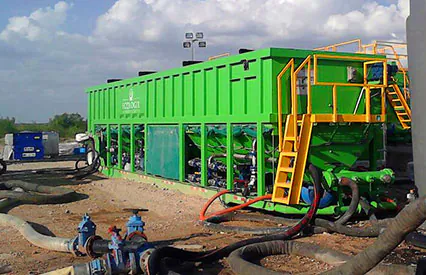
PAM helps combine tiny particles into larger flocs. These flocs settle faster and can be removed more easily.
How Polyacrylamide Works in Oilfield Water Treatment
Polyacrylamide improves water treatment mainly through flocculation and bridging effects.
The process works in several steps:
- Charge Neutralization
Suspended particles in wastewater usually carry electrical charges. PAM neutralizes these charges and reduces particle repulsion. - Polymer Bridging
Long polymer chains connect small particles together to form larger flocs. - Rapid Sedimentation
The larger flocs settle quickly in clarifiers or flotation units.
Because of this mechanism, PAM can significantly increase solid-liquid separation efficiency.
If you want to understand the basic mechanism of PAM flocculation, you can also read:
👉 How Polyacrylamide (PAM) Boosts Wastewater Treatment Efficiency
Types of PAM Used in Oilfield Applications
Different oilfield processes require different types of PAM.
Anionic PAM
Anionic PAM is widely used for:
- Drilling wastewater treatment
- Produced water clarification
- Suspended solids removal
It performs well when wastewater contains positively charged particles.
Cationic PAM
Cationic PAM is usually used when wastewater contains:
- Organic contaminants
- Oil droplets
- Negatively charged particles
It is also commonly used in sludge dewatering systems.
You can learn more about selecting the correct product grade here:
👉 Choosing the Right PAM Grade for Your Industry
Nonionic PAM
Nonionic PAM is suitable for wastewater with:
- Low ionic strength
- Neutral pH
- Special mineral compositions
Selecting the correct polymer type is essential for achieving the best treatment results.
Key Oilfield Water Treatment Applications
Polyacrylamide is widely used across different oilfield water treatment stages.
Drilling Wastewater Treatment
Drilling fluids contain clay, drilling additives, and fine particles. These materials remain suspended for a long time.
PAM helps:
- Aggregate fine particles
- Accelerate sedimentation
- Reduce turbidity
This improves the efficiency of solid-liquid separation equipment.
Produced Water Treatment
Produced water is the largest wastewater stream in oilfields. It often contains:
- Oil droplets
- Suspended solids
- Dissolved salts
Using PAM can:
- Improve oil-water separation
- Reduce suspended solids
- Improve filtration performance
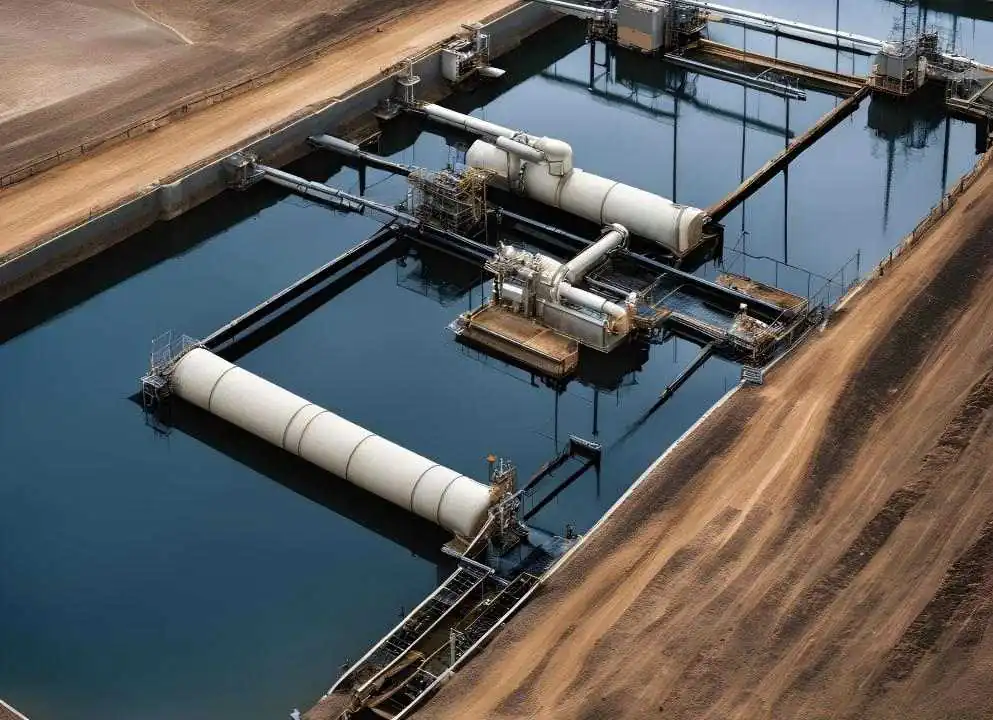
Better treatment efficiency also allows more water recycling in oilfield operations.
Sludge Dewatering
Oilfield treatment systems produce large amounts of sludge. Without proper conditioning, sludge can be difficult to dewater.
Cationic PAM helps:
- Improve sludge flocculation
- Increase filter press efficiency
- Reduce sludge moisture
Benefits of Using High-Quality PAM in Oilfields
When the correct PAM grade is selected, oilfield operators can achieve several benefits.
Faster Solid-Liquid Separation
PAM significantly increases floc size. Larger flocs settle faster and improve clarifier efficiency.
Lower Chemical Consumption
Compared with traditional coagulants, PAM often requires a much smaller dosage.
Typical dosing ranges:
- 1–10 mg/L depending on wastewater characteristics.
Reduced Sludge Volume
Better flocculation improves sludge compaction. This reduces transportation and disposal costs.
Improved Water Reuse
Cleaner treated water can be reused for:
- Drilling operations
- Cooling systems
- Injection water preparation
How to Choose the Right PAM for Oilfield Use
Selecting the correct PAM requires several considerations.
Molecular Weight
High molecular weight PAM usually provides stronger bridging effects.
Typical oilfield grades:
- 10–20 million molecular weight
Charge Density
Charge density must match wastewater characteristics.
For example:
- Oil-rich wastewater → Cationic PAM
- Mineral particles → Anionic PAM
Dissolution Performance
Good PAM products dissolve quickly and form stable solutions without forming gel lumps.
High-quality PAM also provides:
- stable viscosity
- consistent molecular structure
- reliable flocculation performance
These factors directly affect treatment efficiency.
Why Many Oilfields Choose Professional PAM Suppliers
Oilfield water treatment conditions vary greatly between locations. A reliable supplier can provide:
- Technical support
- Product selection guidance
- Laboratory jar testing
- Customized polymer solutions
With proper testing and product selection, operators can achieve much higher treatment efficiency and lower operating costs.
Conclusion
Oilfield wastewater treatment is complex and requires effective separation technology. Polyacrylamide (PAM) plays a critical role in improving solid-liquid separation, sludge dewatering, and produced water treatment.
With the right PAM grade, oilfield operators can:
- improve treatment efficiency
- reduce sludge disposal costs
- increase water reuse rates
If you are looking for high-performance polyacrylamide for oilfield water treatment, our technical team can help you select the most suitable product grade for your process.
Contact us today to receive professional product recommendations and testing support for your oilfield project.