
Oil and gas production generates a large amount of produced water. This water contains oil droplets, suspended solids, salts, and chemical residues. If it is not treated properly, it can cause environmental problems and operational challenges for oilfield facilities.
For many operators, managing produced water is one of the largest operating costs in oil production. Efficient separation technology is essential to reduce treatment costs and meet environmental regulations.
Polyacrylamide (PAM) is widely used in produced water treatment because it can quickly separate oil, solids, and suspended particles. When applied correctly, PAM improves clarification efficiency and significantly reduces sludge volume.
What Is Produced Water in Oilfield Operations?
Produced water is the water that comes out of oil and gas wells during production. It may originate from underground reservoirs or from water injected during enhanced oil recovery processes.
In many mature oilfields, produced water can account for more than 80–90% of total fluid production. This means large volumes must be treated every day.
Typical contaminants found in produced water include:
- Dispersed oil droplets
- Suspended solids
- Fine clay particles
- Dissolved salts
- Organic compounds
Without proper treatment, these contaminants can cause pipeline corrosion, equipment fouling, and environmental pollution.
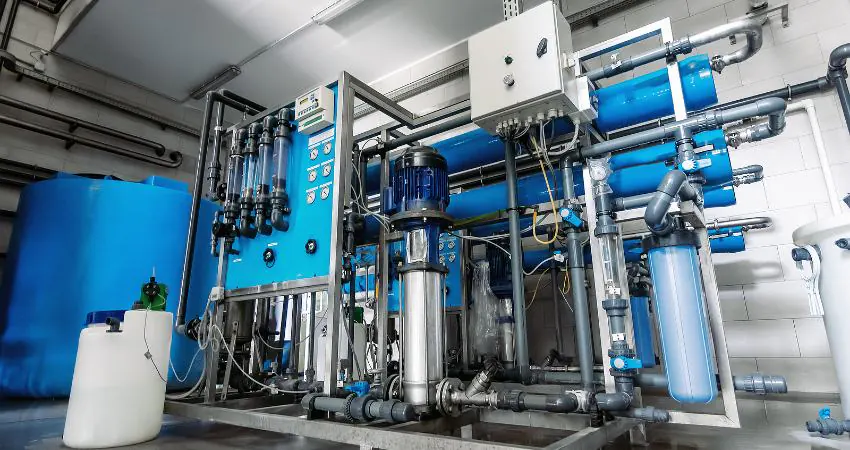
Because of these challenges, oilfield operators rely on chemical flocculants such as polyacrylamide to improve water treatment efficiency.
How Polyacrylamide Works in Produced Water Treatment
Polyacrylamide is a high-molecular-weight polymer flocculant that promotes particle aggregation.
When PAM is added to produced water, it works through two main mechanisms:
Charge Neutralization
Many particles in produced water carry electrical charges. PAM can neutralize these charges, allowing particles to come closer together.
Polymer Bridging
Long polymer chains connect small particles into larger flocs. These flocs settle or float more easily, allowing them to be removed through clarification or flotation processes.
As a result, PAM significantly improves solid-liquid separation efficiency.
If you want to understand the basic mechanism of PAM in water treatment, you can read:
👉 How Polyacrylamide (PAM) Boosts Wastewater Treatment Efficiency
Why PAM Is Effective for Produced Water Treatment
Oilfield operators prefer polyacrylamide because it provides reliable performance under challenging conditions.
Fast Floc Formation
PAM quickly forms large flocs that help remove suspended particles and oil droplets.
Reduced Sludge Volume
Better flocculation means fewer fine particles remain in the water, reducing sludge handling costs.
Improved Water Clarity
Treated water becomes clearer, making it easier to reuse or discharge according to regulations.
Compatible with Multiple Treatment Systems
Polyacrylamide works well with:
- Dissolved air flotation (DAF)
- Settling tanks
- Hydrocyclones
- Filtration systems
Because of these advantages, PAM has become an essential chemical in many oilfield water treatment systems.
Typical Produced Water Treatment Process
In most oilfields, produced water treatment includes several stages.
1. Oil Separation
Gravity separators or API separators remove large oil droplets.
2. Chemical Flocculation
Polyacrylamide is added to aggregate fine oil droplets and suspended solids.
3. Solid Removal
Flocs formed by PAM settle in sedimentation tanks or are removed by flotation.
4. Filtration
Remaining particles are removed using sand filters or membrane systems.
5. Water Reuse or Disposal
Treated water may be reused for reinjection, drilling operations, or safe discharge.
This process ensures that oilfield operations meet environmental requirements while maintaining operational efficiency.
Selecting the Right PAM for Produced Water Treatment
Choosing the correct type of polyacrylamide is important for achieving the best treatment performance.
Cationic PAM
Cationic PAM is often used when produced water contains negatively charged organic contaminants.
Anionic PAM
Anionic PAM works well for mineral particles and inorganic solids.
Molecular Weight
High molecular weight PAM generally provides stronger flocculation performance.
However, the optimal choice depends on:
- Water chemistry
- Salinity
- Oil content
- Temperature
You can also read our guide about selecting the correct polymer grade:
👉 Choosing the Right PAM Grade for Your Industry
Operational Tips for Using PAM in Oilfield Water Treatment
To achieve the best results, operators should follow several best practices.
Proper Polymer Preparation
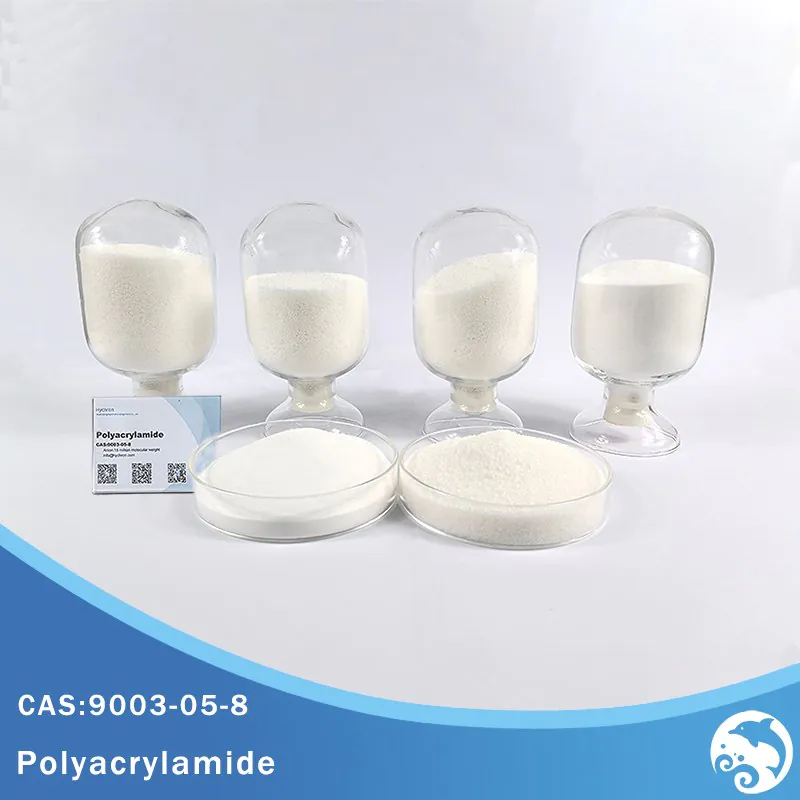
Polyacrylamide powder should be fully dissolved before dosing. Poor dissolution can reduce performance.
Correct Dosage Control
Overdosing can cause excessive sludge formation, while underdosing reduces treatment efficiency.
Good Mixing Conditions
Adequate mixing allows PAM to contact suspended particles and form strong flocs.
Regular Monitoring
Water quality should be monitored regularly to adjust chemical dosage when operating conditions change.
These practices help maintain stable and efficient produced water treatment.
Advantages of High-Quality Polyacrylamide Products
The performance of produced water treatment systems depends heavily on polymer quality.
High-quality PAM products provide:
- Faster dissolution
- Stable molecular weight
- Strong flocculation ability
- Consistent product quality
- Reliable performance in large-scale operations
Using reliable polyacrylamide products can help oilfield operators reduce chemical consumption and improve treatment efficiency.
Conclusion
Managing produced water is one of the most important challenges in oilfield operations. Efficient treatment systems are necessary to protect the environment and reduce operational costs.
Polyacrylamide plays a key role in this process by improving solid-liquid separation and enhancing oil removal efficiency. When properly selected and applied, PAM can significantly improve produced water treatment performance.
For oilfield operators seeking reliable water treatment solutions, high-quality polyacrylamide remains one of the most effective and economical flocculants available today.