 Skip to content
The dairy industry produces large volumes of wastewater every day. Milk processing, equipment cleaning, and product losses all contribute to wastewater that contains high levels of organic matter. If this wastewater is not treated effectively, it can cause serious environmental problems and high treatment costs.
Polyacrylamide (PAM) has become one of the most effective flocculants used in dairy wastewater treatment. With proper dosing and correct polymer selection, PAM can significantly improve solid-liquid separation and reduce sludge treatment costs.
In this article, we will explore how polyacrylamide helps dairy plants improve wastewater treatment efficiency and reduce operating expenses.
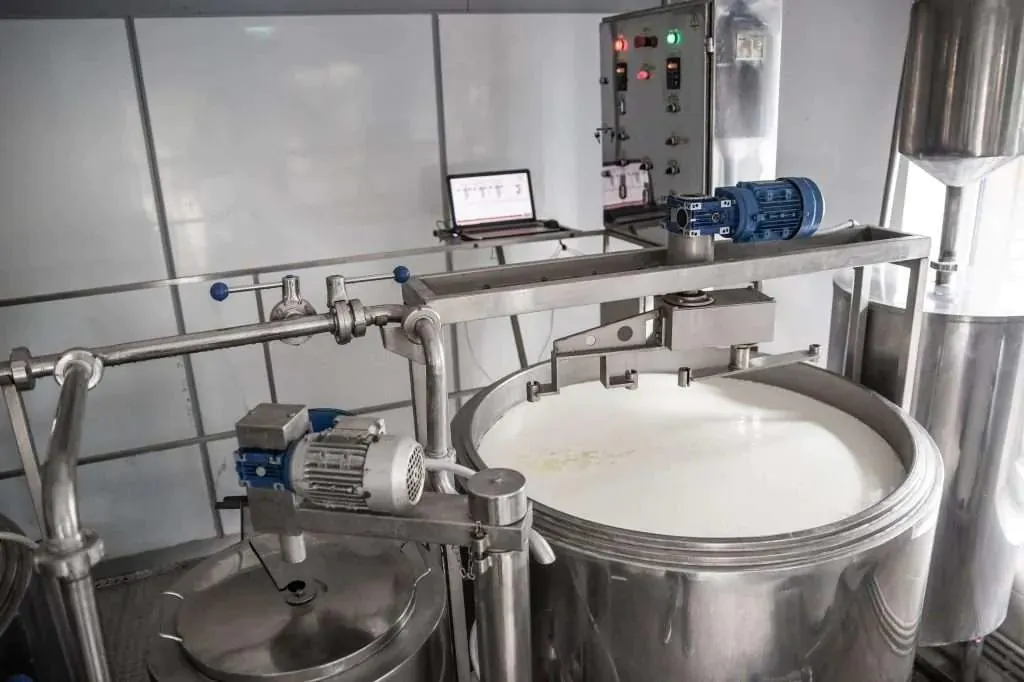
Characteristics of Dairy Wastewater
Dairy wastewater is different from many other industrial waste streams. It contains a large amount of organic material that is difficult to remove using simple physical treatment methods.
Typical pollutants found in dairy wastewater include:
- Proteins
- Fats and oils
- Lactose
- Suspended solids
- Cleaning chemicals
Because of these components, dairy wastewater often has:
- High COD (Chemical Oxygen Demand)
- High BOD (Biological Oxygen Demand)
- High suspended solids content
If untreated wastewater enters natural water systems, it can consume oxygen in the water and harm aquatic life. Therefore, dairy factories must use effective treatment processes before discharge.
Why Polyacrylamide Is Important in Dairy Wastewater Treatment
Polyacrylamide is widely used as a flocculant in wastewater treatment plants. Its main function is to help small suspended particles combine into larger flocs so they can settle or float more easily.
When PAM is added to dairy wastewater, it works through two main mechanisms:
Charge Neutralization
Many particles in wastewater carry electrical charges. These charges prevent particles from joining together.
PAM can neutralize these charges and reduce repulsion between particles. As a result, the particles can combine more easily.
Polymer Bridging
Polyacrylamide molecules are long polymer chains. These chains can connect multiple particles together and form larger flocs.
These flocs settle much faster in sedimentation tanks or can be removed efficiently in flotation systems.
Typical Dairy Wastewater Treatment Process
Most dairy factories use a multi-step wastewater treatment system.
A common process includes:
- Screening and grease removal
- Equalization tank
- Coagulation and flocculation
- Sedimentation or flotation
- Biological treatment
- Sludge dewatering
In the coagulation and flocculation stage, polyacrylamide is usually used together with coagulants such as PAC to improve separation efficiency.
If you want to learn how PAM improves overall wastewater treatment efficiency, you can also read:
👉 How Polyacrylamide (PAM) Boosts Wastewater Treatment Efficiency
This guide explains the flocculation mechanism and how PAM accelerates solid-liquid separation.
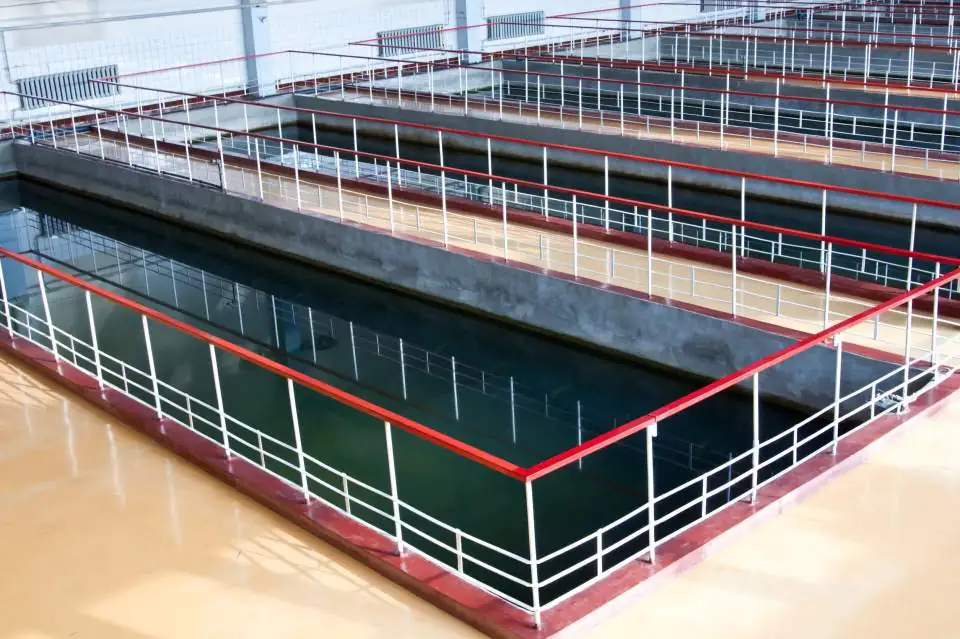
Choosing the Right PAM for Dairy Wastewater
Not all polyacrylamide products are the same. The correct PAM type depends on the characteristics of the wastewater.
For dairy wastewater treatment, cationic PAM is usually recommended because many organic particles carry negative charges.
Important parameters when selecting PAM include:
Charge Density
Higher charge density can improve flocculation performance when wastewater contains a large amount of organic matter.
Molecular Weight
High molecular weight polymers generally produce larger flocs and faster settling.
Dissolution Performance
Good solubility ensures the polymer dissolves quickly and forms effective flocs during treatment.
Choosing the correct PAM grade can greatly improve treatment performance.
If you are unsure which polymer grade is suitable, you can also read:
👉 Choosing the Right PAM Grade for Your Industry
This article explains how to select the correct PAM product for different industries.
Benefits of Using PAM in Dairy Wastewater Treatment
When properly applied, polyacrylamide can provide several important advantages for dairy processing plants.
Faster Solid-Liquid Separation
PAM accelerates floc formation and allows suspended solids to settle more quickly.
Reduced Sludge Volume
Better flocculation leads to more compact sludge, which reduces disposal costs.
Improved Effluent Quality
Effective removal of suspended solids improves downstream biological treatment performance.
Lower Operating Costs
Optimized chemical dosing reduces overall treatment costs and improves system stability.
Because of these benefits, PAM has become an essential chemical in modern dairy wastewater treatment systems.
Practical Tips for Using PAM in Dairy Plants
To achieve the best treatment results, several operational factors should be carefully controlled.
Proper Polymer Dissolution
Dry PAM powder must be dissolved correctly before use.
Typical solution concentration:
- 0.1% – 0.3% polymer solution
Mixing should continue for about 30–60 minutes to ensure full dissolution.
Correct Dosage
Overdosing PAM may reduce treatment efficiency and increase costs.
Jar tests are recommended to determine the optimal dosage for each plant.
Good Mixing Conditions
Proper mixing energy is important during the flocculation process. Too much shear can break flocs, while too little mixing reduces polymer contact with particles.
Conclusion
Dairy wastewater treatment can be challenging due to its high organic load and suspended solids content. Polyacrylamide plays a crucial role in improving flocculation efficiency and accelerating solid-liquid separation.
By selecting the correct PAM grade and optimizing dosing conditions, dairy processing plants can significantly improve treatment performance while reducing operating costs.
If your facility is struggling with slow sludge settling, poor clarification, or high sludge disposal costs, choosing the right polyacrylamide solution can make a major difference.
Hychron provides high-quality polyacrylamide products designed for industrial wastewater treatment applications. Our technical team can recommend the most suitable PAM grade for your dairy wastewater system.
Contact us today to get professional product recommendations, technical support, and competitive pricing for bulk orders.


