Skip to content
When facilities first consider using polyacrylamide in wastewater treatment, water toxicity is one of the first questions raised — particularly by environmental teams responsible for discharge compliance and receiving water quality. Does adding PAM to the treatment process introduce toxicity into the effluent? What happens to PAM in receiving water bodies? Are there measurable impacts on aquatic life?
These are reasonable questions, and they deserve direct answers backed by data rather than general reassurances. This article addresses each one clearly.
The Short Answer
Polyacrylamide polymer, at concentrations present in treated industrial and municipal effluent, does not cause measurable toxicity to aquatic organisms. The extensive ecotoxicology database accumulated over decades of industrial use consistently shows no significant adverse effects on fish, invertebrates, or algae at realistic environmental concentrations.
The toxicity concern associated with PAM relates specifically to residual acrylamide monomer — a different substance, present as a manufacturing impurity, which is genuinely toxic to aquatic organisms at elevated concentrations. Managing residual acrylamide content through product quality selection is the practical mechanism for controlling PAM-related water toxicity risk.
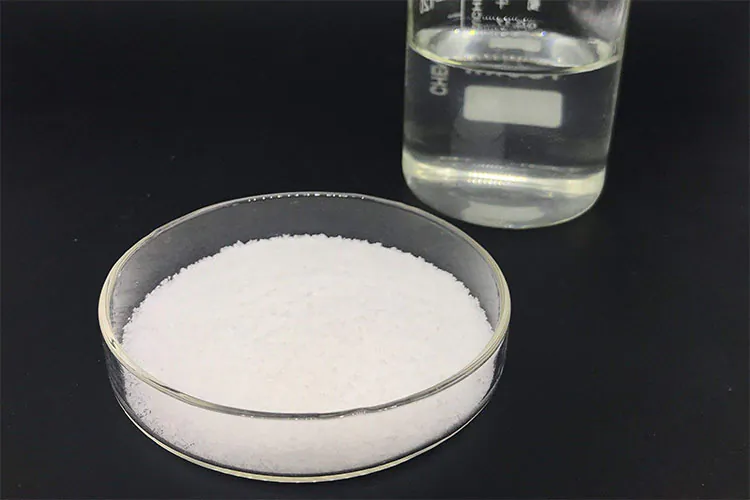
PAM Polymer Ecotoxicity: What the Data Shows
Fish toxicity: Acute toxicity testing of PAM polymer on fish species — including rainbow trout (Oncorhynchus mykiss) and fathead minnow (Pimephales promelas), the standard test organisms for aquatic toxicity assessment — consistently shows LC50 values above 1,000 mg/L. LC50 is the concentration lethal to 50% of test organisms; values above 100 mg/L are classified as “not acutely hazardous” under EU CLP and GHS frameworks.
Industrial PAM is typically present in treated effluent at concentrations of 0.001–0.1 mg/L — four to six orders of magnitude below the acute toxicity threshold. The margin of safety is substantial.
Invertebrate toxicity: Studies on Daphnia magna (water flea) — the standard invertebrate test organism — show similar results. EC50 values for PAM polymer effects on Daphnia mobility are consistently above 100 mg/L, placing PAM in the lowest aquatic hazard category.
Algal toxicity: Growth inhibition studies on freshwater algae show no significant effects at PAM concentrations below 100 mg/L. Some studies suggest minor growth stimulation at low concentrations — possibly due to nitrogen release from polymer degradation — but no inhibitory effects at realistic environmental concentrations.
Chronic toxicity: Long-term studies examining PAM effects on aquatic organisms over multiple generations show no significant reproductive or developmental effects at environmentally relevant concentrations. PAM polymer is not classified as a chronic aquatic hazard under EU CLP Regulation.
Acrylamide Monomer Toxicity: The Contrasting Picture
Acrylamide monomer — present in PAM as a residual from polymerization — has a markedly different ecotoxicity profile from the polymer.
Aquatic toxicity of acrylamide monomer:
| Test Organism | Endpoint | Value |
|---|---|---|
| Rainbow trout | 96h LC50 | 100–460 mg/L |
| Daphnia magna | 48h EC50 | 160–200 mg/L |
| Freshwater algae | 72h EC50 | 12–50 mg/L |
| Bacteria (Vibrio fischeri) | 30min EC50 | 300–1,000 mg/L |
While these values are in the moderate toxicity range for standard acute testing, the environmental concern arises from chronic exposure and the lower concentrations at which sub-lethal effects may occur — particularly for sensitive organisms in low-flow receiving waters.
The EU Environmental Quality Standard (EQS) for acrylamide in surface water under the Water Framework Directive is set at 0.1 µg/L (0.0001 mg/L) — far below the acute toxicity thresholds — to protect against long-term chronic effects. This EQS drives the residual acrylamide limits applied to PAM products used in applications where treated water discharges to surface water bodies.
What Happens to PAM in Receiving Water Bodies?
Understanding the environmental fate of PAM after discharge helps assess real-world risk beyond laboratory toxicity data.
PAM polymer in receiving water: PAM polymer discharged to rivers, lakes, or coastal water undergoes progressive degradation through UV photolysis (sunlight-driven chain cleavage), hydrolysis, and biological degradation. Degradation rates depend on UV intensity, temperature, and microbial activity — with half-lives ranging from weeks in shallow, sunlit water bodies to months in deeper or turbid systems.
Degradation products include oligomers, ammonia (from amide group hydrolysis), and ultimately CO₂ and water. No persistent toxic breakdown products are generated under normal environmental conditions.
Acrylamide monomer in receiving water: Acrylamide biodegrades significantly faster than PAM polymer in aerobic environments — with half-lives of days to weeks under typical conditions. However, in anaerobic sediments or under low-oxygen conditions, degradation is much slower. In groundwater, where biological activity is limited and UV exposure is absent, acrylamide can persist for extended periods.
This differential fate — rapid aerobic biodegradation but persistence in anaerobic or groundwater environments — is the basis for the stringent EQS applied in sensitive receiving water contexts.
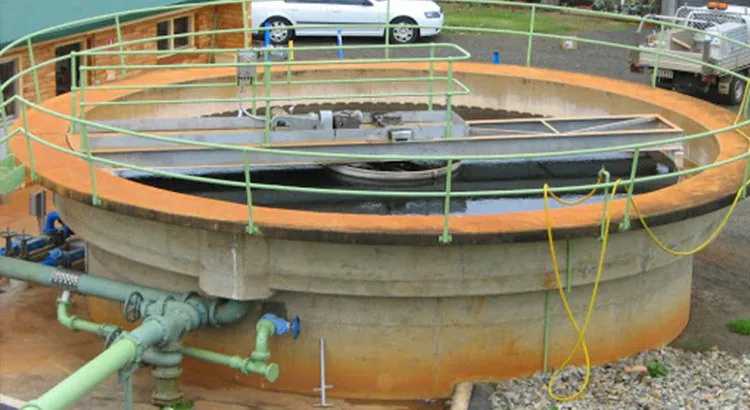
Calculating Acrylamide Contribution to Receiving Water
For facilities with discharge to sensitive receiving waters, a simple calculation estimates acrylamide concentration at the discharge point:
Acrylamide in effluent (µg/L) = PAM dose (mg/L) × Residual acrylamide fraction
Example:
- PAM dose: 3 mg/L
- Residual acrylamide: 0.03% (300 mg/kg = 0.03%)
- Acrylamide in effluent: 3 × 0.0003 = 0.0009 mg/L = 0.9 µg/L
At 10:1 dilution in receiving water: 0.09 µg/L — below the EU EQS of 0.1 µg/L.
At 5:1 dilution: 0.18 µg/L — above the EQS.
This calculation shows that for sensitive receiving waters with limited dilution, even low residual acrylamide products require careful dosage management. Specifying residual acrylamide below 0.01% (100 mg/kg) provides greater regulatory margin in low-dilution discharge scenarios.
Contact our technical team today to discuss residual acrylamide specifications and receiving water compliance for your discharge point. → Contact our technical team today
Practical Risk Management
For most industrial wastewater treatment applications discharging to municipal sewer systems or large receiving water bodies with significant dilution, quality PAM at normal dosages presents negligible water toxicity risk. The calculated acrylamide concentration at the receiving water, after dilution, is well below environmental quality standards.
For facilities discharging to sensitive receiving waters — protected waterways, low-flow rivers, groundwater-connected systems, or coastal waters with limited dilution — more careful management is appropriate:
- Specify residual acrylamide below 0.01% (100 mg/kg) rather than the standard 0.05%
- Optimize dosage to the minimum effective level through jar testing
- Monitor effluent acrylamide concentration periodically — analytical methods (HPLC) can detect acrylamide at µg/L levels
- Maintain batch-specific CoA records as evidence of due diligence for regulatory purposes
Frequently Asked Questions
Does PAM affect the biological treatment stage in a wastewater treatment plant?
No. PAM polymer does not inhibit the microbial communities in biological treatment systems at concentrations used in wastewater treatment. Studies on activated sludge systems show no significant effect on microbial activity or treatment performance at PAM concentrations up to several mg/L. Acrylamide monomer at elevated concentrations can inhibit some microbial species, but at residual levels present in quality PAM products dosed at normal rates, no significant inhibition of biological treatment is expected.
Is there a safe discharge concentration for PAM in receiving water?
Regulatory frameworks typically set limits on acrylamide monomer rather than PAM polymer in receiving water, given the much lower toxicity of the polymer. The EU Water Framework Directive EQS of 0.1 µg/L for acrylamide is the most stringent widely applied standard. For PAM polymer itself, no specific EQS has been established in most jurisdictions, reflecting its low ecotoxicity at realistic concentrations.
Should we monitor acrylamide in our treated effluent?
For facilities discharging to sensitive receiving waters or subject to acrylamide-specific permit conditions, effluent acrylamide monitoring is recommended. Standard HPLC methods can detect acrylamide at µg/L levels. For most industrial facilities discharging to sewer or to large receiving water bodies, periodic monitoring combined with batch-specific CoA records provides adequate compliance evidence without continuous monitoring.
Conclusion
The water toxicity picture for polyacrylamide is clear when the polymer and its residual monomer are assessed separately. PAM polymer presents negligible aquatic toxicity at environmentally relevant concentrations — the margin between effective treatment concentrations and ecotoxicity thresholds is several orders of magnitude. Acrylamide monomer requires careful management, particularly in sensitive receiving water contexts, through product quality specification and dosage optimization.
For the vast majority of industrial and municipal wastewater treatment applications, quality PAM used at optimized dosages introduces no measurable toxicity to receiving water bodies. The treatment benefits — cleaner effluent, lower suspended solids, reduced nutrient loading — deliver net positive outcomes for receiving water quality.
Contact us today to request ecotoxicity data, residual acrylamide specifications, and environmental compliance documentation for our PAM range. → Get in touch today