Skip to content
Written by the HyChron Technical Team — water treatment specialists with over 15 years of field experience in municipal and industrial systems. Last reviewed: April 2026
Aluminum sulfate — alum — has been the default coagulant in water treatment for over a century. PAC has replaced it in most modern treatment systems worldwide. Understanding why requires a structured comparison that goes beyond unit price to examine every dimension that affects treatment plant operating cost and performance.
This article provides that comparison — parameter by parameter, with the data and reasoning behind each judgment.
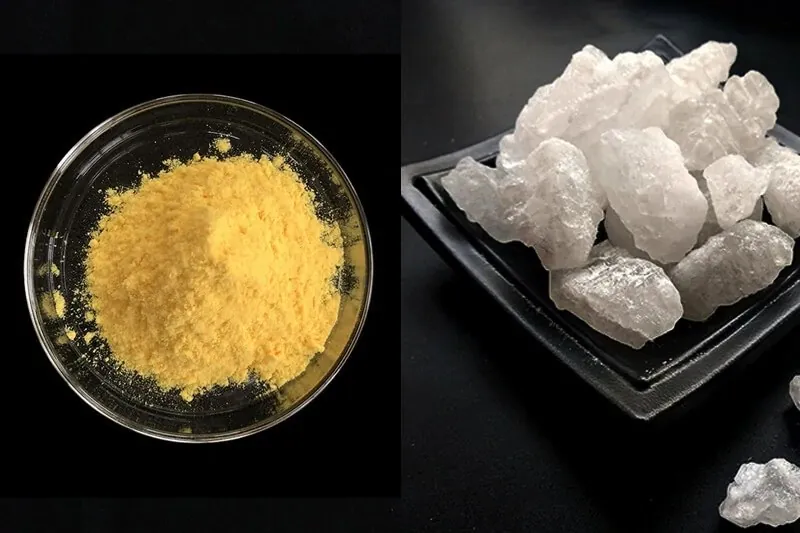
The Right Framework for This Comparison
Many operators default to alum because it is familiar and cheaper per kilogram. This comparison shows why familiarity and unit price are insufficient bases for coagulant selection — and what the correct decision criteria are.
The seven criteria that matter:
- Chemical activity and dosage efficiency
- Effective pH operating range
- Temperature sensitivity
- Sludge production
- Residual aluminum in treated water
- Equipment compatibility and handling
- Total cost per cubic meter treated
Criterion 1 — Chemical Activity and Dosage Efficiency
Alum: Aluminum sulfate releases Al³⁺ ions when dissolved in water. These must hydrolyze in situ — forming active aluminum hydroxide species through reactions that depend on pH, temperature, and reaction time. This in-situ hydrolysis is slower and less complete under suboptimal conditions.
PAC: Poly aluminum chloride is pre-polymerized — its active species (including the highly effective Al₁₃ polycation) are formed during manufacture before dosing. No in-situ hydrolysis is required. PAC reacts faster and more completely at the moment of dosing.
Result: PAC achieves equivalent turbidity removal at 30–50% lower dose by weight than alum. Lower dose = lower chemical purchase volume = lower total chemical cost despite higher unit price.
Winner: PAC
Criterion 2 — Effective pH Range
Alum: Effective coagulation occurs within pH 6.5–7.5. Below 6.5, insufficient aluminum hydroxide precipitate forms. Above 7.5, excess aluminum hydroxide precipitation and charge reversal reduce efficiency. pH control chemicals are frequently required.
PAC: Effective coagulation from pH 5.0 to 9.0. This range covers most natural water sources, industrial effluent variations, and seasonal fluctuations without requiring pH pre-adjustment.
Result: PAC handles 4× the pH range without auxiliary chemicals. For plants treating variable-pH source water or industrial effluent, this difference directly reduces chemical use and operating complexity.
Winner: PAC — decisively for variable-pH applications.
Criterion 3 — Temperature Sensitivity
Alum: Below 10°C, alum hydrolysis slows significantly. Floc formation is slower and less complete. Dosage must be increased substantially — sometimes by 50–100% — to maintain acceptable turbidity removal in cold water.
PAC: Pre-polymerized active species are not dependent on in-situ hydrolysis kinetics. PAC maintains effective coagulation at temperatures below 10°C with minimal dosage increase. The residual viscosity effect on flocculation applies equally to both, but PAC’s chemical kinetics remain stable.
Result: PAC eliminates the seasonal dosage spike that drives up alum costs in cold climates. For plants in temperate or cold regions, this is often the most impactful performance difference between the two coagulants.
Winner: PAC
Criterion 4 — Sludge Production
Alum: At higher doses (required for equivalent turbidity removal at equivalent or suboptimal pH and temperature), alum produces more aluminum hydroxide precipitate per unit of treated water. Sludge volumes are higher.
PAC: Lower dosage → less aluminum hydroxide precipitate → 30–50% less sludge volume. PAC’s denser floc structure also dewaters more efficiently than alum sludge, further reducing dewatered cake volume.
Result: 30–50% less sludge with PAC. For plants paying $100–200/tonne for sludge disposal, this reduction delivers significant annual savings. For detail: Sludge Production When Using PAC
Winner: PAC
Criterion 5 — Residual Aluminum in Treated Water
Alum: At higher required doses and across a narrower pH range, alum produces higher residual aluminum in treated water. Maintaining compliance with the WHO guideline of 0.1–0.2 mg/L requires careful pH and dosage control.
PAC: Lower dosage and more complete hydrolysis reaction produce lower residual aluminum. Compliance with residual limits is easier to maintain consistently, with less operator intervention.
Result: PAC makes residual aluminum compliance easier to manage — operationally significant for drinking water applications.
Winner: PAC

Criterion 6 — Equipment Compatibility and Handling
Alum: Aluminum sulfate solution is corrosive due to free sulfate ions. Carbon steel and mild steel dosing equipment, storage tanks, and pipework are attacked. Corrosion-resistant materials are required, and maintenance frequency is higher.
PAC: Poly aluminum chloride is a chloride-based compound, significantly less corrosive than alum. Standard HDPE storage tanks and conventional dosing pump materials are compatible. Less maintenance, lower capital cost for chemical handling infrastructure.
Result: PAC reduces chemical handling capital and ongoing maintenance costs. Winner: PAC
Criterion 7 — Total Cost Per Cubic Meter Treated
This is the definitive criterion — and the one that consolidates all the above.
| Cost Component | Alum | PAC |
|---|---|---|
| Chemical purchase (per m³) | Lower unit cost, higher dose | Higher unit cost, much lower dose |
| Sludge disposal | Higher volume, higher cost | 30–50% less volume |
| pH adjustment | Often required | Rarely required |
| Equipment maintenance | Higher (corrosion) | Lower |
| Net total | Higher | Lower in most applications |
For a worked numerical example showing the total cost calculation: Cost Analysis of Using PAC in Treatment Plants
Winner: PAC — for total treatment cost in most applications.
When Alum May Still Be the Right Choice
Alum is not without merit in specific situations:
- Very simple, stable systems: low-volume plants with consistent warm water at pH 6.5–7.5, minimal sludge disposal cost, and no seasonal variation — where PAC’s advantages are least relevant
- Lowest possible capital cost: plants with very limited upfront budget where alum’s lower unit price reduces immediate expenditure, even if total cost is higher
- Existing long-term alum contracts: where contract terms make switching less economical in the short term
In all other situations, the evidence favors PAC on total operating economics.
Dosage Quick Reference
| Application | PAC Dose | Alum Dose |
|---|---|---|
| Drinking water (low turbidity) | 5–20 mg/L | 15–40 mg/L |
| Drinking water (moderate turbidity) | 15–30 mg/L | 30–60 mg/L |
| Industrial wastewater | 20–80 mg/L | 40–120 mg/L |
| Municipal wastewater (CEPT) | 20–60 mg/L | 40–90 mg/L |
Always confirm by jar test for your specific water.
Frequently Asked Questions
If PAC is clearly better, why do some plants still use alum?
Inertia, familiarity, and incomplete cost analysis are the most common reasons. Many plants continue using alum because it is what they have always used, and no one has conducted a full total-cost comparison. Once the analysis is done with actual plant data, the economics almost always favor PAC.
Is switching from alum to PAC technically complex?
No. The chemical is compatible with existing storage and dosing equipment in most cases. The primary requirement is dosage recalibration via jar test. Most plants complete the transition within one to two weeks of receiving PAC samples for testing.
Does PAC work in every application where alum is currently used?
Yes, with one qualification: applications requiring very low pH coagulation (below pH 5) are better served by ferric chloride than either PAC or alum. Within the pH 5–9 range that covers most water treatment applications, PAC outperforms alum across all key metrics.
Conclusion
PAC outperforms alum on six of the seven comparison criteria that matter for treatment plant operations. The seventh — unit purchase price — favors alum, but this advantage is consistently outweighed by PAC’s savings on sludge, pH adjustment, equipment maintenance, and effective dosage efficiency.
For plants currently using alum and seeking to reduce operating costs, improve effluent consistency, or address cold-weather performance issues, PAC is the most direct and proven solution available.
Contact our technical team today for a free PAC vs alum analysis for your plant, product samples for jar testing, and a customized dosage recommendation. We respond within 24 hours.