Skip to content
Written by the HyChron Technical Team — water treatment specialists with over 15 years of field experience in municipal and industrial systems. Last reviewed: April 2026 | Reading time: ~5 minutes
Many water treatment plants are still using alum or ferric sulfate simply because it is what they have always used — not because it is the best option available.
If your system is producing more sludge than it should, struggling with cold-water performance, or consuming more coagulant than budgeted, the problem may not be your process. It may be your coagulant.
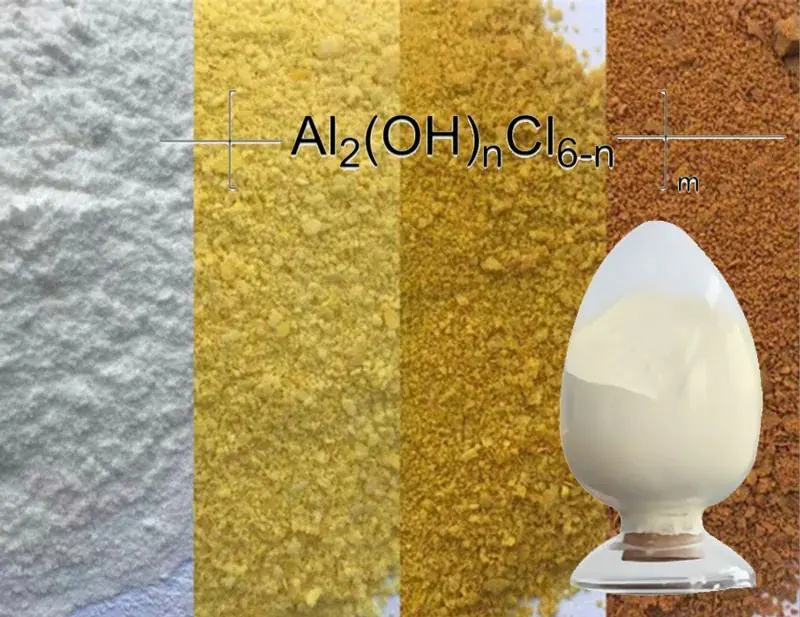
Poly Aluminum Chloride (PAC) offers measurable, documented performance advantages over traditional coagulants across nearly every key operational metric. This article breaks down exactly what those advantages are and why they matter for your bottom line.
Want to know if PAC can improve your specific system? Contact our technical team for a free assessment based on your actual water data.
1. Works Across a Much Wider pH Range
Traditional coagulants like alum are highly sensitive to pH. Alum performs reliably only between pH 6.5 and 7.5 — outside that window, coagulation efficiency drops sharply and dosage requirements increase.
PAC is effective across a pH range of 5.0 to 9.0, which means:
- No need for pH pre-adjustment in most water sources
- Stable performance even when influent pH fluctuates seasonally
- Fewer auxiliary chemicals required to maintain optimal conditions
For plants treating variable-quality source water, this wider operating window alone can justify the switch.
2. Requires Significantly Lower Dosage
Because PAC is pre-polymerized before it reaches your dosing system, it reacts faster and more completely with colloidal particles than monomeric coagulants.
In practice, PAC typically requires 30–50% lower dosage than alum to achieve equivalent turbidity removal. Lower dosage means:
- Reduced chemical purchase volume
- Less storage space required
- Lower residual aluminum in treated effluent
- Reduced risk of overdosing and charge reversal
For high-volume plants processing tens of thousands of cubic meters per day, a 30–50% reduction in coagulant consumption translates directly into significant monthly cost savings.
3. Produces 30–50% Less Sludge
Sludge handling is one of the largest hidden costs in water treatment. Dewatering, transport, and disposal expenses accumulate quickly — and they scale directly with sludge volume.
PAC produces 30–50% less sludge per cubic meter treated compared to alum. This reduction comes from two factors: lower dosage means less coagulant entering the sludge stream, and PAC’s more efficient coagulation leaves fewer residual solids.
Reduced sludge volume means:
- Lower dewatering equipment wear and energy consumption
- Less frequent sludge removal cycles
- Reduced disposal and transport costs
- Extended filter press and centrifuge service intervals
4. Maintains Performance in Cold Water
Alum coagulation is temperature-dependent. Below 10°C, alum hydrolysis slows significantly, floc formation becomes irregular, and dosage must be increased substantially — often without fully recovering the lost efficiency.
PAC maintains reliable coagulation performance at temperatures below 10°C due to its pre-polymerized structure, which does not depend on in-situ hydrolysis to the same degree as alum. For plants in cold climates or treating groundwater sources, this stability is critical to maintaining consistent effluent quality year-round.
5. Faster Floc Formation and Settling
PAC forms flocs more quickly after dosing than alum, and the resulting flocs are denser and more mechanically stable. In practical terms:
- Shorter flocculation time required
- Faster settling in clarifiers and sedimentation tanks
- Higher throughput from existing equipment without capital upgrades
- More consistent results in high-flow or variable-load conditions
Faster settling also reduces the risk of carryover into downstream filtration, extending filter run times and reducing backwash frequency.
6. Lower Residual Aluminum in Treated Effluent
Residual aluminum in finished water is a regulatory concern in drinking water applications. The WHO guideline value is 0.1–0.2 mg/L. Alum, dosed at higher rates, tends to leave higher residual aluminum if not precisely controlled.
PAC, with its lower effective dosage and more complete reaction, consistently achieves lower residual aluminum levels — making compliance easier to maintain and reducing the risk of regulatory exceedances during high-demand periods.
7. Less Corrosive to Dosing Equipment
Alum and ferric sulfate are both highly corrosive due to their sulfate content. Dosing pumps, storage tanks, and pipelines require corrosion-resistant materials and more frequent maintenance.
PAC is significantly less corrosive, which translates into:
- Lower capital cost for dosing equipment
- Reduced maintenance frequency
- Longer service life for pumps, fittings, and storage systems
PAC Advantages at a Glance
| Parameter | PAC | Alum |
|---|---|---|
| Effective pH range | 5.0–9.0 | 6.5–7.5 |
| Dosage required | 30–50% lower | Baseline |
| Sludge production | 30–50% less | Baseline |
| Cold-water performance | Stable below 10°C | Degrades significantly |
| Settling speed | Faster | Slower |
| Residual aluminum | Lower | Higher |
| Equipment corrosivity | Low | High |
| Cost per m³ treated | Lower | Higher |
The Cost Equation
PAC costs more per kilogram than alum. This is the most common objection, and it is understandable — but it misses the full picture.
When you account for lower dosage volume, reduced sludge handling costs, lower equipment maintenance, and fewer auxiliary chemicals for pH adjustment, the total treatment cost per cubic meter is typically lower with PAC than with alum. Most plants that switch recover the unit price difference within weeks.
Frequently Asked Questions
Is PAC always better than alum?
For most applications, yes. PAC outperforms alum on dosage, sludge, pH flexibility, and cold-water stability. Alum may still be preferred in specific low-cost, low-volume scenarios where sludge handling is not a concern.
How quickly can I see results after switching to PAC?
Most plants report measurable improvement in turbidity removal and sludge volume within the first week of operation. Full cost savings become visible within the first billing cycle.
Does switching to PAC require changes to my dosing equipment?
In most cases, no. PAC can be dosed using standard coagulant dosing pumps. Dosage rate adjustments will be needed, and jar testing is recommended before going live.
Conclusion
PAC delivers documented, measurable advantages over traditional coagulants across every major operational metric — wider pH range, lower dosage, less sludge, cold-water stability, faster settling, and lower residual aluminum. For most water treatment applications, it is the more efficient and cost-effective choice.
If your plant is still using alum and experiencing any of the limitations described above, switching to a high-quality PAC product is likely to produce fast, visible improvements.
Contact our technical team today for a free coagulant assessment, product sample, and dosage recommendation tailored to your water source and treatment targets. We respond within 24 hours.