
Coagulation and flocculation are key steps in water treatment. These processes remove fine suspended particles that cannot settle naturally. Aluminum sulfate, commonly known as alum, is one of the most widely used coagulants for this purpose.
Due to its stable performance and strong charge neutralization ability, aluminum sulfate is applied in drinking water treatment, wastewater treatment, and many industrial processes.
What Is Aluminum Sulfate?
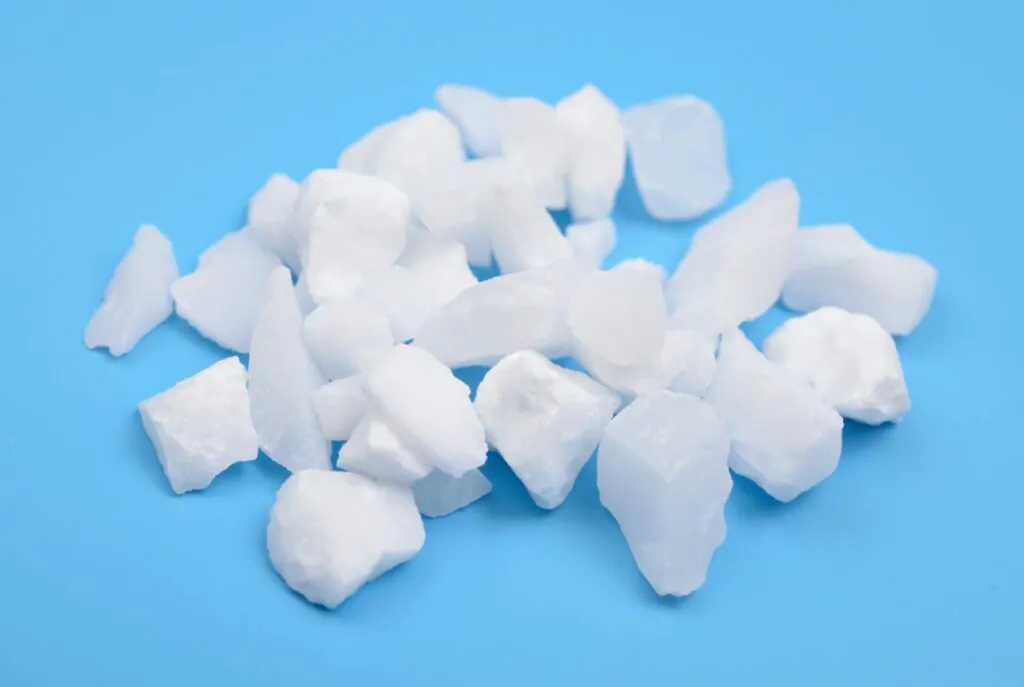
Aluminum sulfate is an inorganic salt with the chemical formula Al₂(SO₄)₃. It is readily soluble in water and reacts quickly after dosing.
Its main functions include:
- Neutralizing negatively charged particles
- Promoting floc formation
- Improving sedimentation efficiency
Because of these properties, alum is widely used in municipal water plants, industrial wastewater treatment systems, and swimming pools.
How Aluminum Sulfate Works in Swimming Pools
When aluminum sulfate is added to pool water, it undergoes hydrolysis and forms positively charged aluminum species. Most suspended impurities in pool water carry a negative charge.
Over time, these opposite charges attract each other. Fine particles combine into larger and heavier flocs. These flocs gradually settle at the bottom of the pool, allowing the water above to become clearer.
Aluminum sulfate performs best when:
- Pool water chemistry is balanced
- Water temperature is above 70°F (≈21°C)
How to Use Aluminum Sulfate as a Pool Coagulant
- Skim, brush, and vacuum the pool to remove large debris.
- Adjust pH, alkalinity, calcium hardness, free chlorine, and cyanuric acid using pool test strips.
- Typical dosage: 20–50 mg/L aluminum sulfate. Circulate water for 2–8 hours.
- Turn off the pump and allow the pool to stand for 12–24 hours.
- Once flocs settle, switch the valve to waste mode.
- Vacuum the settled alum and debris from the pool bottom.
If water clarity is not sufficient, the process may be repeated.
Other Applications of Aluminum Sulfate
Textile Dyeing
In fabric dyeing and printing, aluminum sulfate acts as a dye fixative. When dissolved in water at neutral or slightly alkaline pH, it forms aluminum hydroxide.
This gelatinous substance helps dyes bind firmly to fabric fibers. As a result, colors become more resistant to washing and moisture.
Papermaking
Aluminum sulfate is widely used in paper manufacturing as a sizing agent. It reacts with rosin soap to control paper absorbency.
This process improves ink adhesion and print quality. Traditional alum-based sizing creates acidic paper, while modern alternatives aim to reduce long-term paper degradation.

Medical and Pharmaceutical Uses
Aluminum sulfate also has limited medical applications, including:
- Coagulant for minor cuts and abrasions
- Deodorant due to antimicrobial activity
- Protein precipitation to enhance vaccine antigen release
Solutions containing 5%–10% aluminum sulfate have been used topically for ulcers and odor control. It is also used as a raw material in pharmaceutical preparations such as aluminum acetate ear drops.
Summary
Aluminum sulfate remains one of the most effective and versatile coagulants available. From water purification and swimming pool clarification to papermaking, textiles, and medical use, its coagulation properties play a critical role across multiple industries. Proper dosage and application are essential to achieve optimal performance and safe results.