 Skip to content
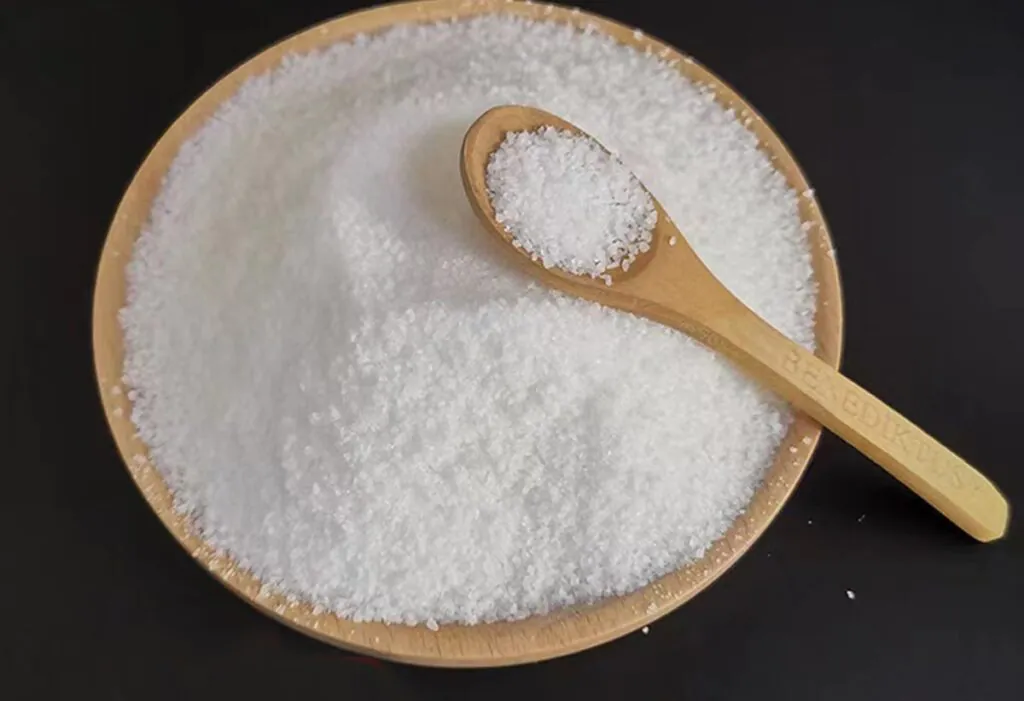
Anionic Polyacrylamide (APAM) is a water-soluble polymer derived from acrylamide and anionic monomers. Its long molecular chains contain a high density of negative charges (-COO⁻ groups), making it highly effective in flocculation, coagulation, and solid-liquid separation processes.
Due to its performance and versatility, APAM is widely used across multiple industrial sectors.
I. Primary Uses of Anionic Polyacrylamide
1. Water and Wastewater Treatment
This is the most significant application area of APAM.
Drinking Water Purification
- Removes suspended solids and colloidal particles
- Reduces turbidity
- Improves water clarity
Municipal Wastewater Treatment
- Aggregates fine sludge particles
- Enhances settling in clarifiers and thickeners
- Reduces sludge volume
- Improves filtration efficiency
Industrial Effluent Treatment
- Applied in textile, tannery, and chemical wastewater
- Helps meet discharge standards
- Improves sedimentation performance
2. Mining and Mineral Processing
Tailings Management
- Accelerates sedimentation of mine tailings
- Improves water recovery and recycling
- Reduces tailings pond volume
Mineral Beneficiation
- Enhances separation of valuable minerals
- Improves process efficiency
3. Paper and Pulp Industry
Retention and Drainage Aid
- Improves retention of fillers and fine fibers
- Enhances drainage speed
- Increases production efficiency
- Improves paper quality
Effluent Treatment
- Treats whitewater and mill wastewater
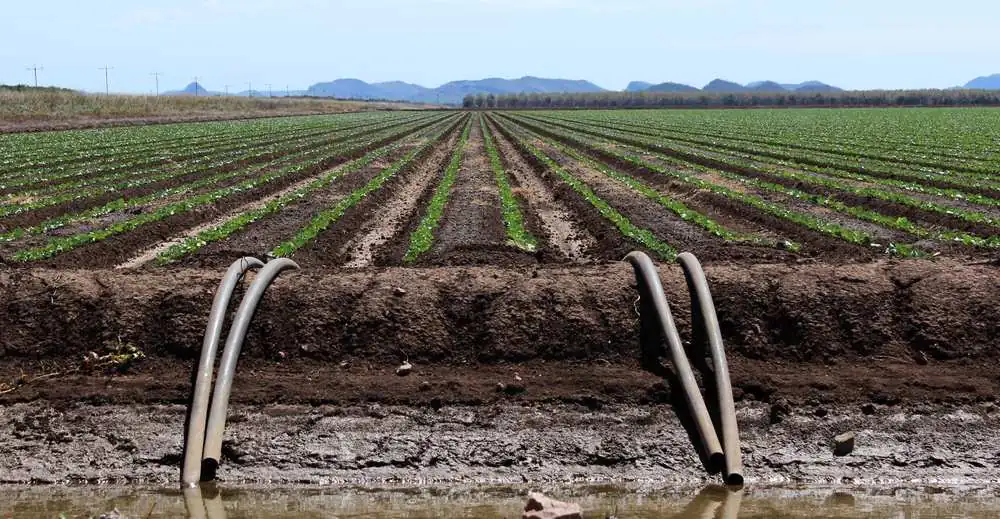
4. Soil Conditioning and Erosion Control
Erosion Prevention
- Binds soil particles into stable aggregates
- Reduces water and wind erosion
- Suitable for agriculture and construction sites
Water Conservation
- Improves soil infiltration
- Reduces runoff
- Enhances irrigation efficiency
5. Enhanced Oil Recovery (EOR)
In polymer flooding operations, APAM increases injection water viscosity, helping displace trapped oil toward production wells and improving recovery rates.
6. Agricultural Applications
- Soil stabilization
- Canal seepage reduction
- Irrigation efficiency improvement
II. Key Advantages of Anionic Polyacrylamide
1. Highly Efficient Flocculation
- Long polymer chains create strong bridging effects
- Neutralizes positively charged colloids
- Forms large, dense flocs
- Accelerates sedimentation
2. Cost-Effective Solution
- Low dosage required (ppm level)
- High treatment efficiency
- Reduces energy and operational costs
3. Versatility
Molecular weight and charge density can be adjusted during production to meet specific application needs.
4. Improves Water Clarity
Highly effective in removing fine suspended particles and turbidity.
5. Reduces Sludge Volume
Produces compact flocs with lower water content, reducing sludge handling and disposal costs.
6. Safe for Intended Use
Fully polymerized APAM is considered non-toxic for industrial applications when properly handled and compliant with regulatory standards for drinking water treatment.
7. Strong Chemical Compatibility
Can be used alongside inorganic coagulants such as alum or ferric chloride to achieve synergistic treatment effects.
Conclusion
Anionic polyacrylamide is a high-performance flocculant widely used in water treatment, mining, paper production, agriculture, and oil recovery. Its strong flocculation ability, cost-effectiveness, and adaptability make it an essential chemical for efficient solid-liquid separation and environmental protection.
For high-quality APAM products and customized solutions, contact our technical team today.


