
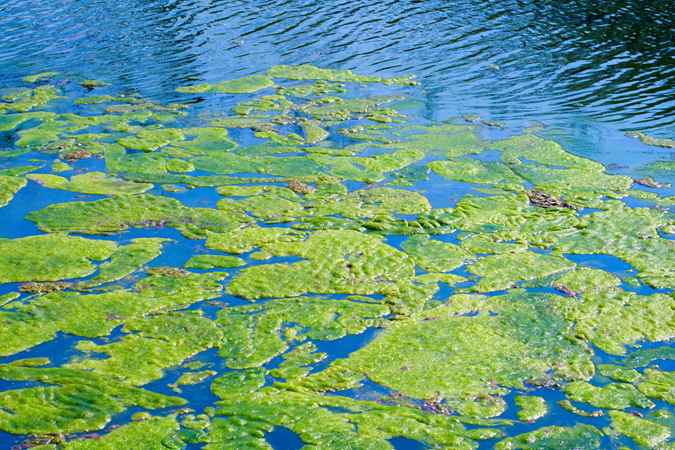
Algal blooms are a growing environmental concern in lakes, reservoirs, and slow-moving rivers. Excess nutrients—especially phosphorus—drive eutrophication, leading to oxygen depletion, ecosystem imbalance, and declining water quality. While calcium chloride (CaCl₂) is not a primary algaecide, it can play a supporting role in nutrient control strategies.
Why Phosphorus Drives Algal Blooms
Phosphorus is often the limiting nutrient in freshwater systems. Even small increases in dissolved phosphate can trigger rapid algal growth. When algae die and decompose, oxygen levels drop, harming fish and other aquatic life.
Controlling bioavailable phosphorus is therefore a key strategy in algae management.
How Calcium Chloride Influences Water Chemistry
1️⃣ Supports Phosphate Precipitation Under Alkaline Conditions
Calcium ions (Ca²⁺) can react with phosphate (PO₄³⁻) to form calcium phosphate compounds. However, this reaction is most effective when:
- pH is moderately high
- Alkalinity is sufficient
- Carbonate chemistry is stable
In these conditions, calcium can help reduce dissolved phosphate levels by promoting mineral precipitation or by incorporating phosphorus into sediment particles.
2️⃣ Enhances Co-precipitation with Carbonates and Particles
Calcium chloride can increase calcium hardness in water, encouraging the formation of:
- Calcium carbonate particles
- Mineral flocs
- Sediment-bound solids
Phosphates can adsorb onto or become trapped within these particles, which then settle to the bottom. This co-precipitation process helps move phosphorus from the water column into sediments, where it is less available for algae.
3️⃣ Improves Performance of Other Phosphorus Control Methods
In integrated treatment strategies, calcium chloride can:
- Stabilize water chemistry
- Improve floc formation when used with aluminum or iron salts
- Support sediment capping or in-lake treatment systems
It works best as a supporting chemical, not a standalone phosphorus removal agent.
Practical Applications
Lake and Reservoir Management
Used alongside alum or iron treatments to improve particle settling and reduce phosphorus mobility.
Agricultural Runoff Control
Helps condition water and promote sedimentation of phosphorus-bound particles in retention ponds.
Constructed Wetlands
Supports mineral formation and sediment stabilization, reducing phosphorus release back into the water.
Important Application Guidelines
Not a Standalone Algaecide
Calcium chloride does not directly kill algae and should not replace primary nutrient control chemicals.
Effect Depends on Water Chemistry
pH, alkalinity, and carbonate balance strongly influence its effectiveness.
Use as Part of an Integrated Plan
Best results occur when combined with aeration, nutrient source control, and aluminum or iron-based treatments.
Conclusion
Calcium chloride can contribute to algae management by influencing calcium hardness, supporting co-precipitation, and improving sedimentation of phosphorus-bearing particles. While it is not a primary phosphate removal chemical, it plays a useful supporting role in comprehensive nutrient control programs.
When applied based on proper water chemistry analysis, calcium chloride can help reduce phosphorus availability, support ecosystem balance, and improve long-term water quality.