
As a citrus farmer, I have faced many challenges over the years. One of the most frustrating is soft nose disorder. This condition affects fruit quality and market value, causing serious losses. After research and field trials, I found calcium chloride to be an effective solution that improved both yield and fruit firmness.
What is Soft Nose Disorder?
Soft nose disorder is a physiological issue that mainly affects oranges and similar citrus fruits. The disorder appears at the fruit’s apex (navel end), where the tissue becomes soft and may develop water-soaked spots. This weakens the fruit structure, making it less attractive to buyers and more likely to be damaged during transport.
Common symptoms include:
- Softening at the fruit tip
- Water-soaked lesions
- Shorter shelf life
- Reduced market value
If not managed early, the disorder can spread and affect a large part of the harvest.
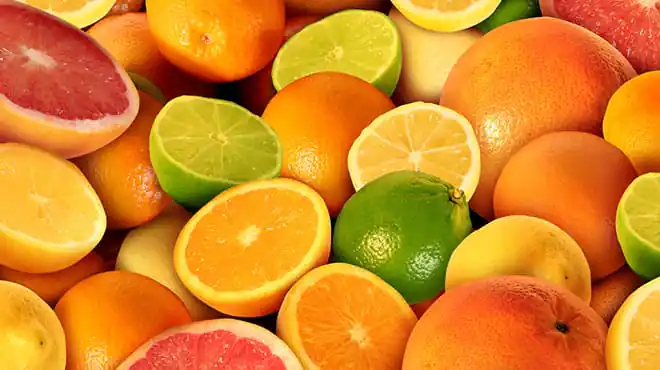
Why Calcium Is Important for Citrus Fruits
Calcium is essential for strong cell walls and membranes. It helps fruits stay firm and resistant to physiological disorders. When citrus trees lack calcium, fruits become softer and more likely to develop problems like soft nose disorder.
Calcium chloride is a fast-acting calcium source. It dissolves easily in water and is quickly absorbed by leaves and fruit, helping correct calcium deficiency efficiently.
How to Treat Soft Nose Disorder with Calcium Chloride
A foliar spray program using calcium chloride is one of the most effective control methods.
Step 1: Prepare the Solution
- Use high-purity calcium chloride (≥90%)
- Mix at 0.5–1% concentration
- 500–1000 g calcium chloride per 100 L of water
- Stir well until fully dissolved
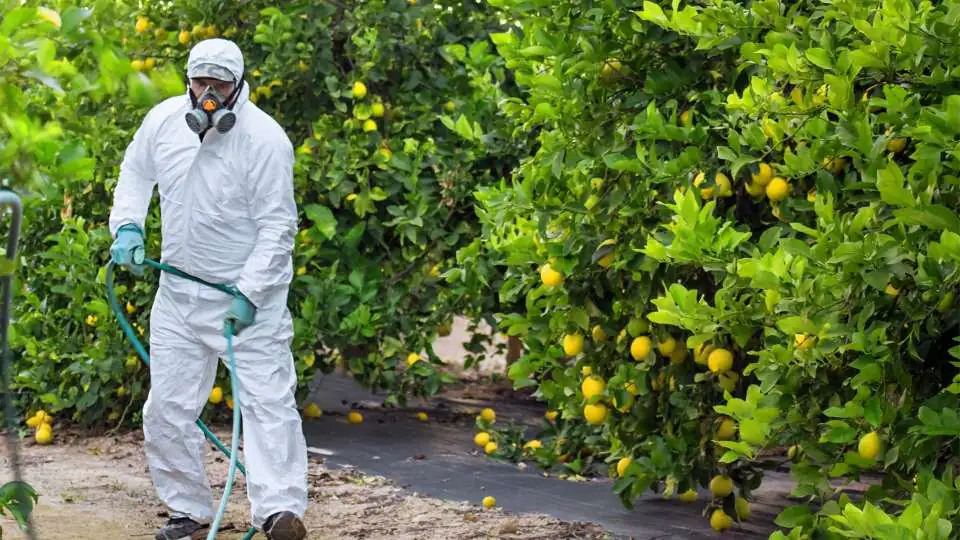
Step 2: Proper Spraying Method
- Best time: Early morning or late afternoon
- Avoid strong sunlight and high temperatures to prevent leaf burn
- Spray evenly over the whole canopy
- Make sure both upper and lower leaf surfaces are covered
- Spray fruit directly for better calcium absorption
Step 3: Application Frequency
- Spray every 2 weeks during fruit development
- Adjust frequency based on fruit condition and tree health
- Regular monitoring ensures stable calcium levels and better results
Results After Using Calcium Chloride
After following this spray program, the improvements were clear:
- Noticeably fewer soft nose fruits
- Firmer fruit texture
- Less water-soaked damage
- Longer shelf life
- Higher market price and better customer acceptance
This simple calcium treatment made a big difference in overall orchard performance.
Extra Tips to Reduce Soft Nose Disorder
Calcium spray works best when combined with good orchard management:
Balanced Nutrition
Provide enough calcium, magnesium, and potassium. Use soil and leaf testing to guide fertilization.
Proper Irrigation
Keep soil moisture stable. Avoid both drought stress and overwatering.
Pest and Disease Control
Healthy trees are less likely to develop physiological disorders.
Pruning and Canopy Management
Good airflow and sunlight reduce humidity and lower disease pressure.
Final Thoughts
Soft nose disorder can seriously affect citrus profits, but it can be controlled. A calcium chloride foliar spray program is a practical and proven solution. Combined with proper nutrition and orchard care, it helps growers produce firm, high-quality, and marketable citrus fruit.
👉 If you are looking for high-purity agricultural calcium chloride for citrus spraying, contact us for product details, technical support, and customized application guidance.

