 Skip to content
In fresh dairy products such as cottage cheese and yogurt, texture is a key quality factor. Consumers expect a smooth, firm, and stable structure without excessive whey separation. To achieve this, many dairy processors use food-grade calcium chloride (CaCl₂) as a texture-enhancing ingredient.
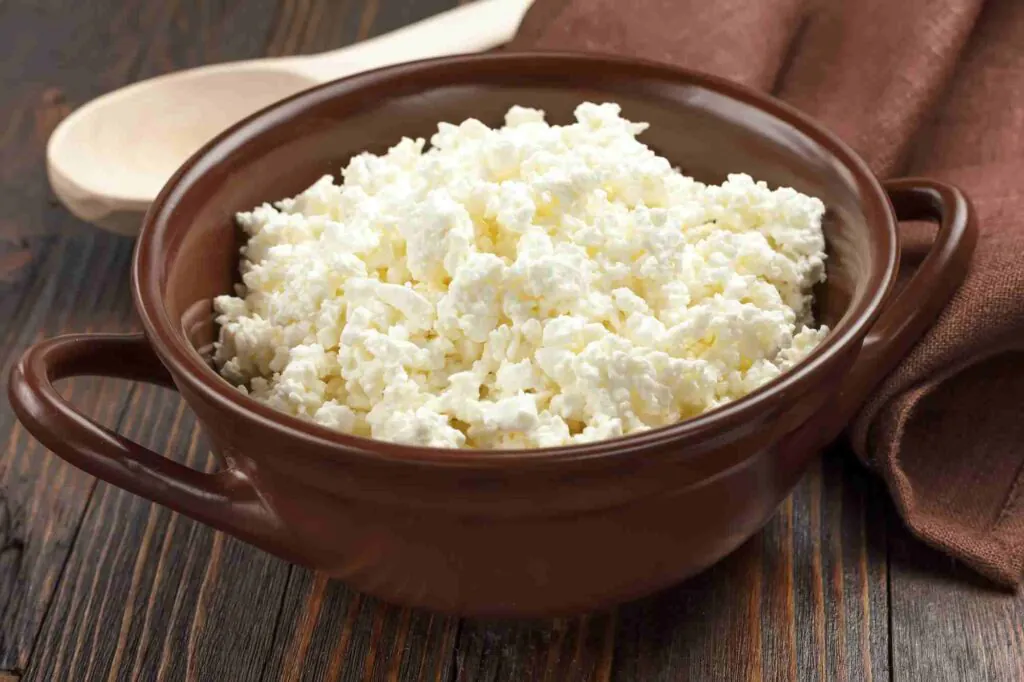
Why Texture Problems Occur in Fresh Dairy Products
Fresh cheeses and cultured dairy products rely on a delicate protein network formed mainly by casein. However, several factors can weaken this structure:
- Low natural calcium levels in milk
- Heat treatment during pasteurization
- Variations in milk quality
- Processing stress during stirring or filling
When the protein network is weak, the product may become too soft or release excess whey (syneresis), which negatively affects both appearance and mouthfeel.
The Function of Calcium Chloride in Dairy Processing
Calcium chloride is added to milk to increase the availability of calcium ions, which are essential for proper protein coagulation.
Strengthening the Casein Network
Casein proteins form a three-dimensional gel during coagulation. Calcium ions act as bridges between casein molecules, helping them bind more tightly. When calcium chloride is added:
- The protein network becomes stronger and more stable
- Curds form more uniformly
- The final product has better firmness and body
This is especially important in fresh cheeses where structure is more delicate than in aged cheeses.
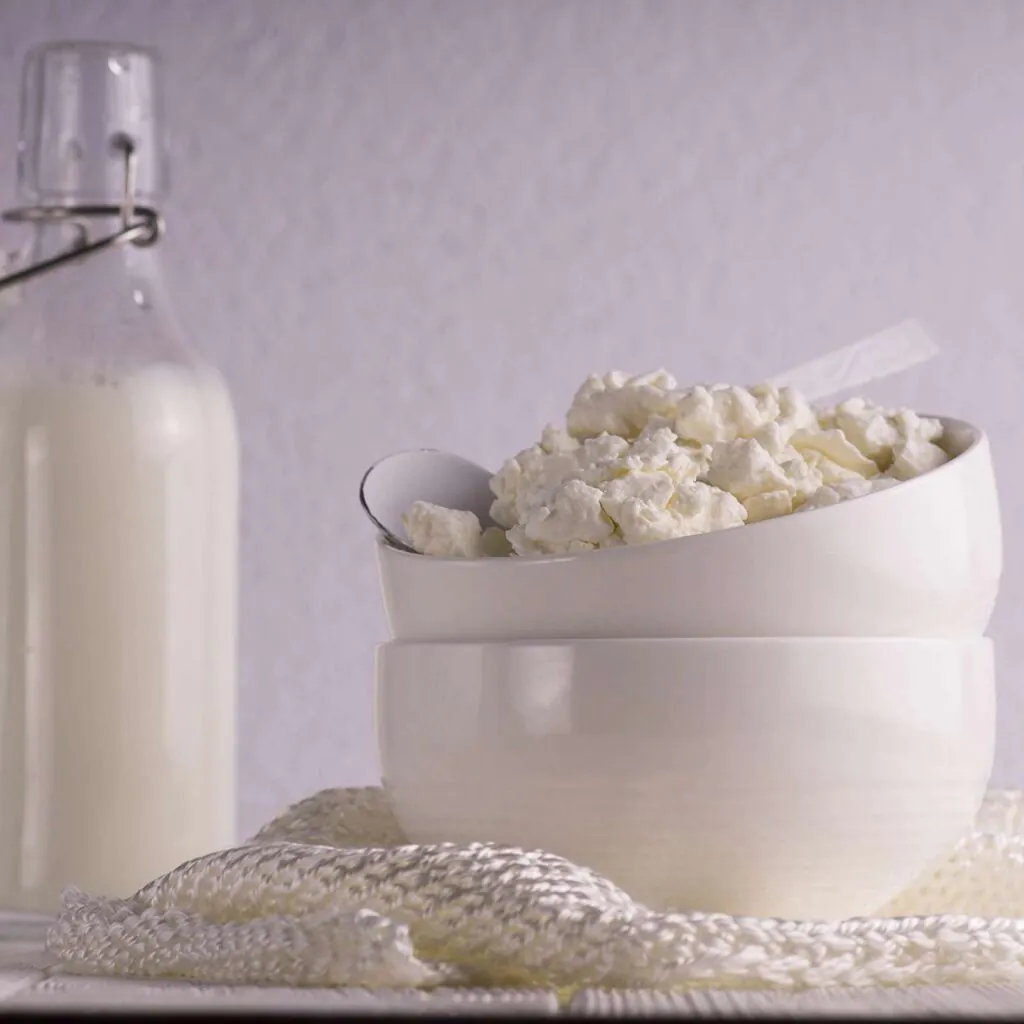
Benefits in Cottage Cheese Production
Cottage cheese is highly sensitive to texture changes because of its high moisture content.
Using calcium chloride helps:
✔ Form firmer, more defined curds
✔ Reduce curd breakage during cutting and stirring
✔ Minimize whey separation during storage
✔ Improve overall product consistency
The result is cottage cheese with a cleaner appearance, better mouthfeel, and more stable shelf performance.
Benefits in Yogurt Production
In yogurt, texture depends on the gel formed by milk proteins during fermentation.
Calcium chloride supports yogurt structure by:
- Strengthening the protein gel network
- Improving viscosity and body
- Reducing whey separation on the surface (syneresis)
- Creating a smoother and more uniform texture
This is particularly valuable in stirred yogurt and drinkable yogurt, where maintaining stability during handling and transport is important.
Typical Usage in Dairy Applications
Calcium chloride is usually added before coagulation or fermentation.
Common dosage range:
➡ 0.02% – 0.05% of milk weight (depending on milk quality and product type)
It is normally dissolved in clean water and mixed evenly into the milk to ensure uniform distribution.
Practical Considerations
While calcium chloride is highly effective, correct usage is essential.
- Accurate dosing prevents overly firm texture or slight salty notes
- Performance may vary depending on milk composition and processing conditions
- Small-scale trials are recommended when adjusting formulations
Conclusion
Calcium chloride is an important functional ingredient in the production of cottage cheese and yogurt. By strengthening the milk protein network, it improves firmness, reduces whey separation, and enhances overall texture stability.
For dairy processors aiming to deliver consistent, high-quality fresh products, controlled use of food-grade calcium chloride offers a practical and reliable solution.


