
Calcium chloride is widely used across industries, including road de-icing, food processing, oil drilling, and construction. However, as environmental awareness increases, managing its ecological footprint has become a priority.
This article examines:
- The environmental impact of calcium chloride
- Potential soil and water risks
- Sustainable production and usage practices
- Future regulatory and industry trends
Overview of Calcium Chloride
Calcium chloride (CaCl₂) is a white, highly soluble inorganic salt available in flake, powder, or granular form.
Its key properties include:
- High solubility in water
- Strong hygroscopic ability
- Heat release upon dissolution
These characteristics make it effective in:
- Road de-icing
- Dust control
- Food processing (desiccant and firming agent)
- Concrete acceleration
While it supports infrastructure and industrial efficiency, improper management may create environmental concerns.
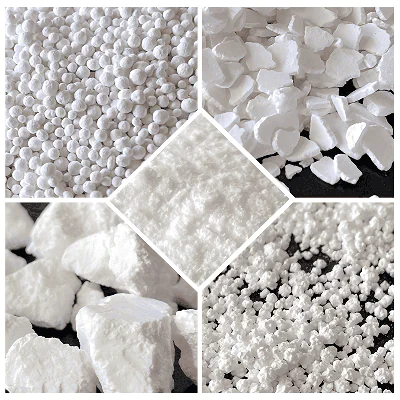
Environmental Impact of Calcium Chloride
1. Soil Salinization
Excessive accumulation of calcium chloride in soil may:
- Increase salinity levels
- Alter soil structure
- Reduce agricultural productivity
High salinity can affect plant root systems and limit nutrient absorption.
2. Water Contamination
Runoff from roads treated with calcium chloride may enter:
- Rivers
- Lakes
- Groundwater systems
Potential effects include:
- Increased chloride concentration in water bodies
- Disruption of aquatic ecosystems
- Alteration of natural chemical balance
Although calcium chloride is less environmentally persistent than some alternatives, unmanaged discharge remains a concern.
3. Infrastructure Corrosion
Chloride ions can contribute to:
- Metal corrosion
- Reinforced concrete degradation
This may indirectly increase environmental impact due to repair, reconstruction, and material consumption.
Environmental Best Practices
To minimize ecological impact, both manufacturers and end users must implement responsible strategies.
1. Cleaner Production Technologies
Manufacturers can reduce environmental burden by:
- Using closed-loop production systems
- Recycling process water
- Recovering by-products
- Reducing energy consumption
Waste recycling and reuse programs significantly lower emissions and resource waste.
2. Controlled Application Practices
For road maintenance and industrial use:
- Apply precise dosage based on temperature and conditions
- Use calibrated spreading equipment
- Monitor runoff and drainage systems
Optimized application reduces overuse and environmental loading.
3. Water Management Systems
Installing drainage and containment systems helps:
- Capture runoff
- Prevent direct discharge into natural waterways
- Support controlled treatment before release
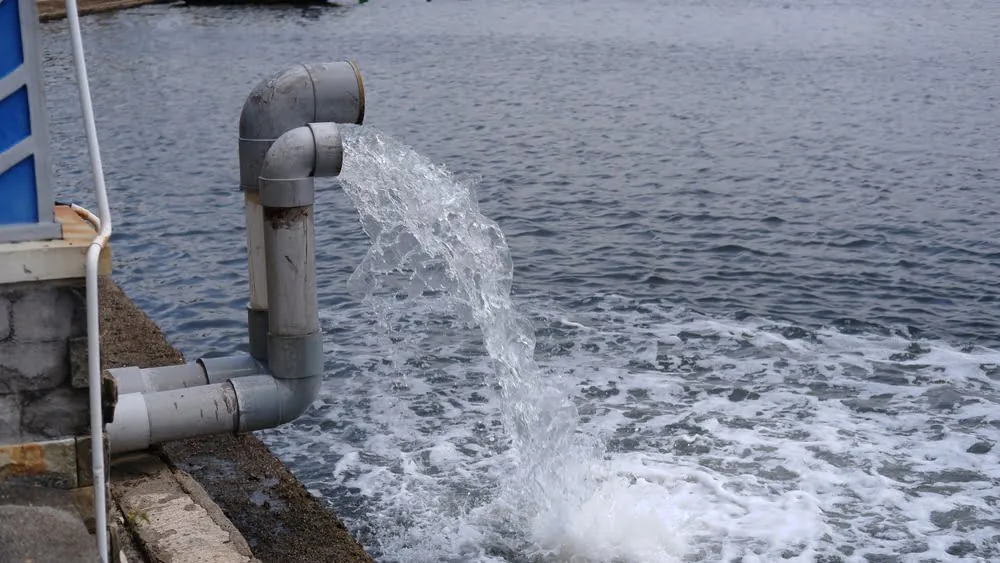
Case Studies: Responsible Environmental Management
In Nordic countries, where calcium chloride is widely used for winter road maintenance, strict environmental standards have been implemented.
Measures include:
- Usage limits per square meter
- Surface water monitoring systems
- Seasonal environmental impact assessments
These policies have significantly reduced chloride concentration spikes in surrounding ecosystems.
Additionally, some production facilities have adopted advanced waste-treatment technologies that convert manufacturing by-products into usable secondary materials, improving resource efficiency and reducing waste emissions.
Future Directions and Industry Challenges
Environmental regulations are becoming stricter worldwide. Future expectations include:
- Lower chloride discharge limits
- Increased environmental reporting requirements
- Greater emphasis on life-cycle assessment
Manufacturers must invest in:
- Energy-efficient production
- Improved purification technologies
- Sustainable raw material sourcing
At the same time, policymakers and industry stakeholders must collaborate to balance infrastructure needs with environmental protection.
Toward Sustainable Use of Calcium Chloride
Calcium chloride remains essential in modern infrastructure and industry. However, sustainable management is critical to minimizing:
- Soil salinity risks
- Aquatic ecosystem disruption
- Long-term environmental accumulation
Through technological innovation, responsible application, and regulatory guidance, calcium chloride can continue to serve industrial needs while protecting ecological systems.
As a professional manufacturer, we are committed to:
- Cleaner production processes
- Strict quality control
- Compliance with environmental standards
- Continuous process optimization
If you are seeking responsibly produced calcium chloride with stable quality and environmental compliance documentation, feel free to contact us for detailed specifications and sustainability information.

