
Making fruit jelly is a delightful experience. The combination of flavors and textures makes jelly a favorite treat. Using calcium chloride can significantly improve firmness and elasticity, especially in both regular and low-sugar jellies.
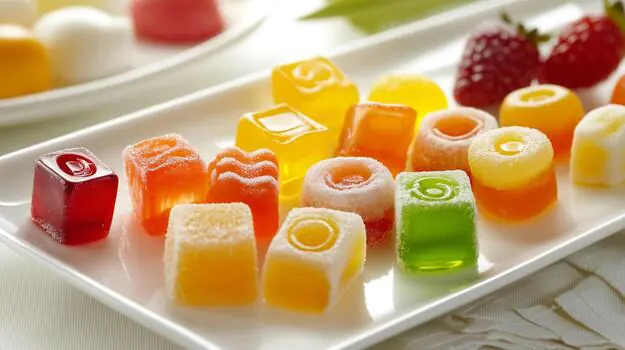
Enhancing Regular Fruit Jelly with Calcium Chloride
Traditional gelling agents like pectin and gelatin form the base of regular fruit jelly. Calcium chloride strengthens the texture and improves consistency.
- Firmness and Elasticity: Calcium chloride acts as a firming agent, interacting with pectin molecules to form a strong gel network. This creates a resilient jelly that holds its shape and provides a pleasant chewiness.
- Improved Gelation Process: Calcium chloride stabilizes the gelation, ensuring consistent results even with variations in fruit acidity and sugar levels.
Benefits in Low-Sugar Fruit Jelly
Low-sugar jellies often lack firmness due to reduced sugar content. Calcium chloride compensates for this, ensuring a texture similar to traditional jelly.
- Addressing Texture Issues: Calcium ions reinforce the pectin network, making low-sugar jelly firm and elastic.
- Maintaining Mouthfeel: Calcium chloride prevents the jelly from becoming sticky or mushy, preserving a pleasant eating experience.
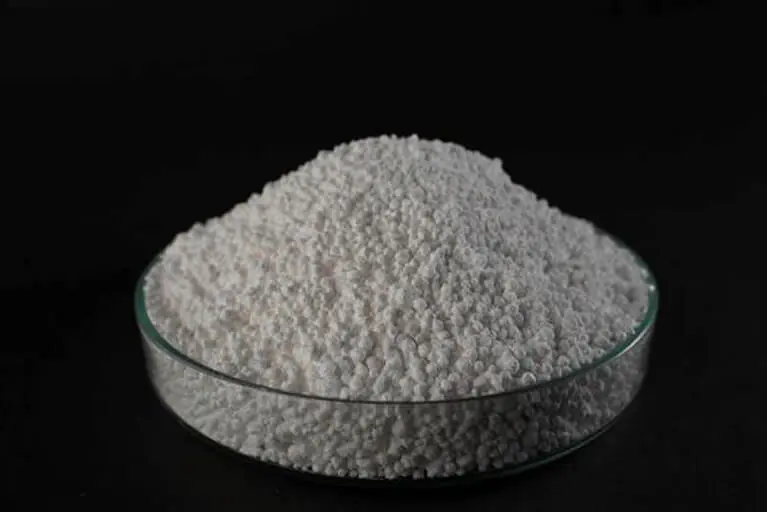
Practical Considerations for Using Calcium Chloride
- Dosage and Mixing: Start with a small amount of calcium chloride and adjust as needed. Dissolve it in water before adding to the jelly mixture to ensure even distribution.
- Safety and Handling: Always use food-grade calcium chloride. Handle with clean utensils and containers to maintain hygiene.
Conclusion
Calcium chloride enhances fruit jelly by improving firmness, elasticity, and texture. Its use is especially valuable in low-sugar recipes, providing structural support and consistent gel formation. Whether for personal enjoyment or commercial production, calcium chloride ensures your jelly has the perfect balance of texture and chewiness.