Skip to content
Fruit cracking is a common problem in grape cultivation, especially during the fruit ripening stage. Cracked grapes lose their visual appeal, have shorter shelf life, and are more vulnerable to fungal infections. This greatly reduces market value and storage performance.
One of the main causes of fruit cracking is calcium deficiency. Calcium plays a key role in strengthening fruit skin and maintaining cell structure. When grapes lack calcium, berry skin becomes weak and more likely to split under growth pressure or sudden moisture changes.
Using calcium chloride is an effective way to correct calcium deficiency and protect grape quality.
Why Calcium Is Essential for Grape Berries
Calcium helps to:
- Strengthen cell walls
- Improve skin firmness
- Reduce fruit splitting
- Enhance resistance to disease
Grapes with sufficient calcium have stronger skins and better tolerance to environmental stress, especially during rapid fruit enlargement.
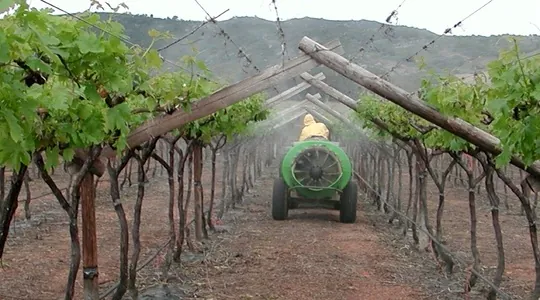
Method 1: Foliar Spray Application
Foliar spraying delivers calcium directly to leaves and berries, providing fast results.
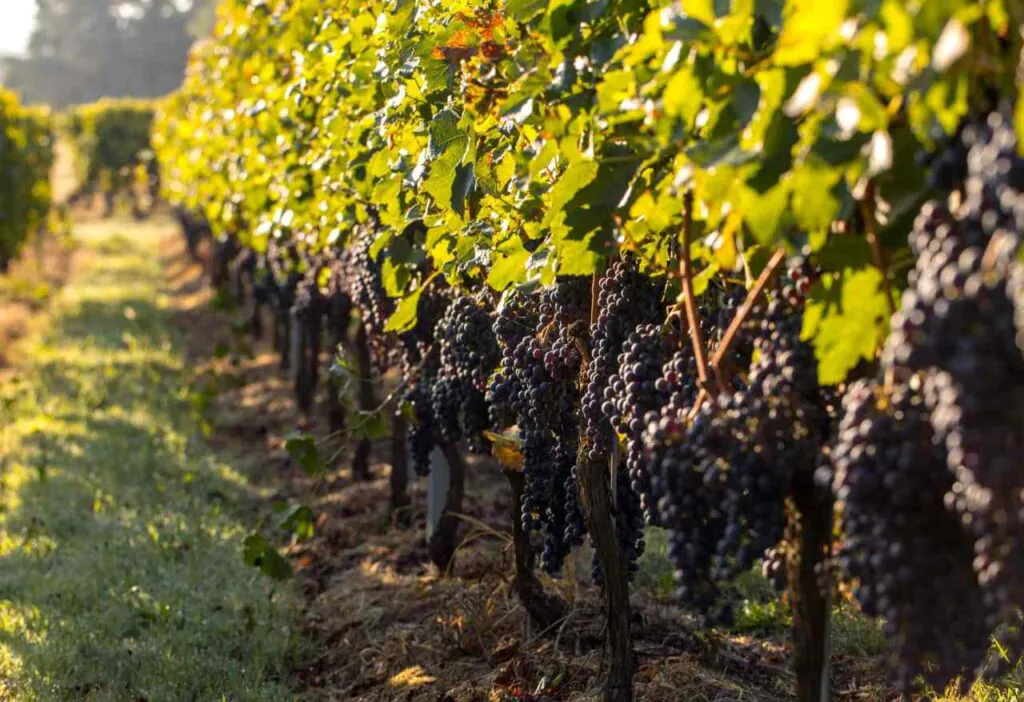
How to Apply Calcium Chloride as a Foliar Spray
1. Timing
Start spraying at the early berry development stage and continue through the growth period.
2. Concentration
Use a 0.3%–0.5% calcium chloride solution to ensure good absorption while avoiding leaf damage.
3. Frequency
Spray once per week to maintain stable calcium levels.
4. Spraying Technique
Use a fine mist sprayer and ensure:
- Even coverage of leaves
- Full coverage of berry clusters
- Spray reaches leaf undersides
Benefits of Foliar Spraying
- Fast calcium absorption
- Direct treatment of berries
- Easy integration with regular crop spraying schedules
Method 2: Soil Application
Soil application provides a long-term and stable calcium supply to grapevines.
How to Apply Calcium Chloride to Soil
1. Solution Preparation
Dilute calcium chloride to a concentration of 1000 ppm or less to avoid salt stress.
2. Application Method
Apply the solution evenly around the base of the vines to cover the root zone.
3. Frequency
Apply every two weeks during key growth stages.
4. Monitoring
Conduct regular soil and leaf testing. Adjust dosage based on nutrient levels and plant condition.
Benefits of Soil Application
- Continuous calcium supply to roots
- Efficient use of water and nutrients
- Suitable for both small vineyards and large commercial farms
Best Management Practices to Reduce Fruit Cracking
For best results, combine calcium treatment with good vineyard management:
- Maintain consistent irrigation to avoid sudden water fluctuations
- Avoid excessive nitrogen, which can weaken fruit skin
- Improve canopy ventilation to reduce disease pressure
Conclusion: Protect Grape Quality with the Right Calcium Strategy
Fruit cracking can seriously affect grape yield and profit, but it can be controlled. Using calcium chloride through foliar spraying and soil application strengthens berry skin, reduces cracking, and improves overall fruit quality.
Growers who adopt proper calcium management can achieve:
✔ Stronger grape skins
✔ Lower disease risk
✔ Higher marketable yields
👉 If you need agricultural-grade calcium chloride for vineyards, contact us for product details, technical support, and customized application plans for your growing conditions.