Skip to content
As winter approaches, many homeowners, businesses, and municipalities rely on de-icing products to keep surfaces safe. Calcium chloride is a common choice due to its ability to melt ice even at very low temperatures. However, its safety for pets and livestock is a common concern. This article explores the risks and offers guidance for responsible use.
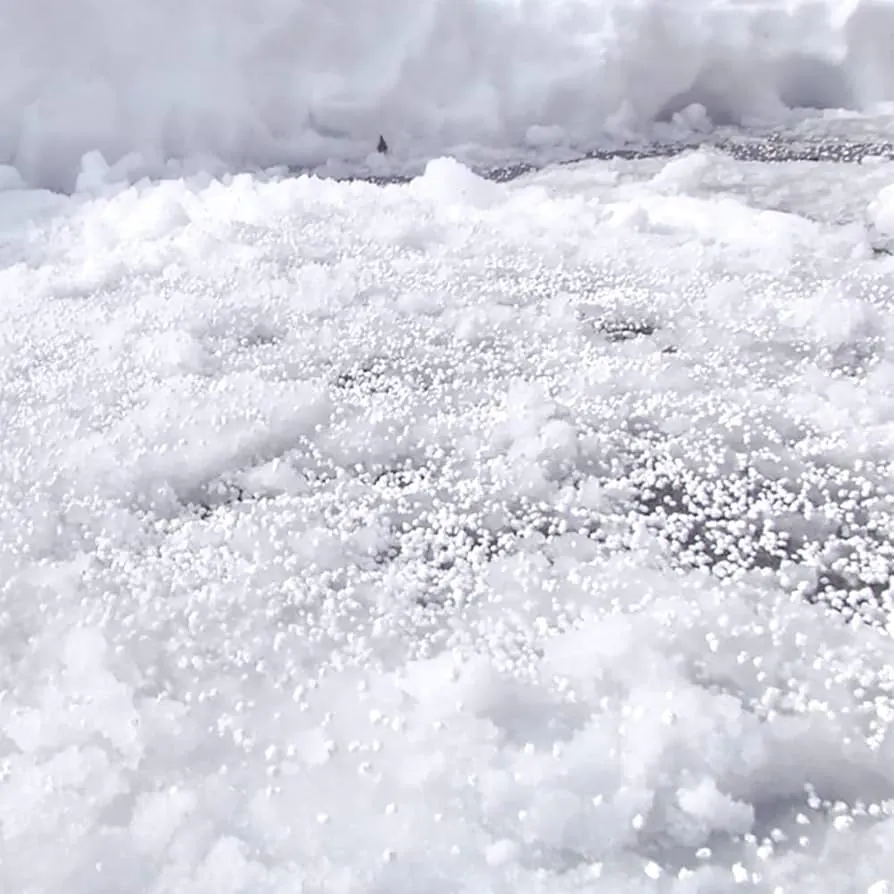
The Science Behind Calcium Chloride
Calcium chloride is hygroscopic, meaning it attracts moisture from the environment. This property allows it to generate heat and melt ice effectively, even at temperatures as low as -25°F (-32°C). While it’s efficient, contact with animals can cause irritation if used improperly.
Comparison with Other De-Icers
- Sodium Chloride (Rock Salt): Less expensive but more irritating to pets and toxic if ingested.
- Magnesium Chloride: Safer for animals, less irritating, still harmful in high amounts.
- Urea: Low toxicity, less effective in extreme cold, can still impact the environment.
Calcium chloride is a middle ground: highly effective at low temperatures and moderately safe for animals.
Is Calcium Chloride Safe for Pets and Livestock?
When used responsibly, calcium chloride can be safe. Key risks include:
1. Direct Contact
- Paw and Skin Irritation: Can cause burns, redness, or sores on pets, especially dogs. Avoid slushy residues.
- Livestock: Large animals are less sensitive, but ingestion can cause gastrointestinal upset.
2. Ingestion Risks
- Pets: Large amounts can cause drooling, vomiting, diarrhea. Small amounts usually are harmless.
- Livestock: Can cause similar symptoms, dehydration, or more severe poisoning. Ensure clean water is available.

Responsible Use for Animal Safety
- Apply Moderately: Use minimum effective amounts to reduce residue.
- Pet-Safe Alternatives: Consider magnesium chloride, urea, or sand/gravel mixtures.
- Keep Pets Indoors: Let ice melt fully before allowing animals outside; use booties if needed.
- Rinse Residue: Rinse frequently walked areas to minimize irritation.
- Monitor Livestock: Keep livestock away from freshly treated areas.
- Consider Timing: Apply when animals are indoors.
Conclusion
Calcium chloride is generally safer than rock salt but requires careful application. Using it responsibly, monitoring for irritation, and considering pet-friendly alternatives can ensure the safety of pets and livestock during winter. Awareness of proper usage also helps minimize environmental impact.