
Calcium chloride (CaCl₂) is widely used in the food industry as a firming agent. In vegetable canning, it helps keep vegetables crisp and firm after high-temperature processing.
What Happens to Vegetables During Canning?
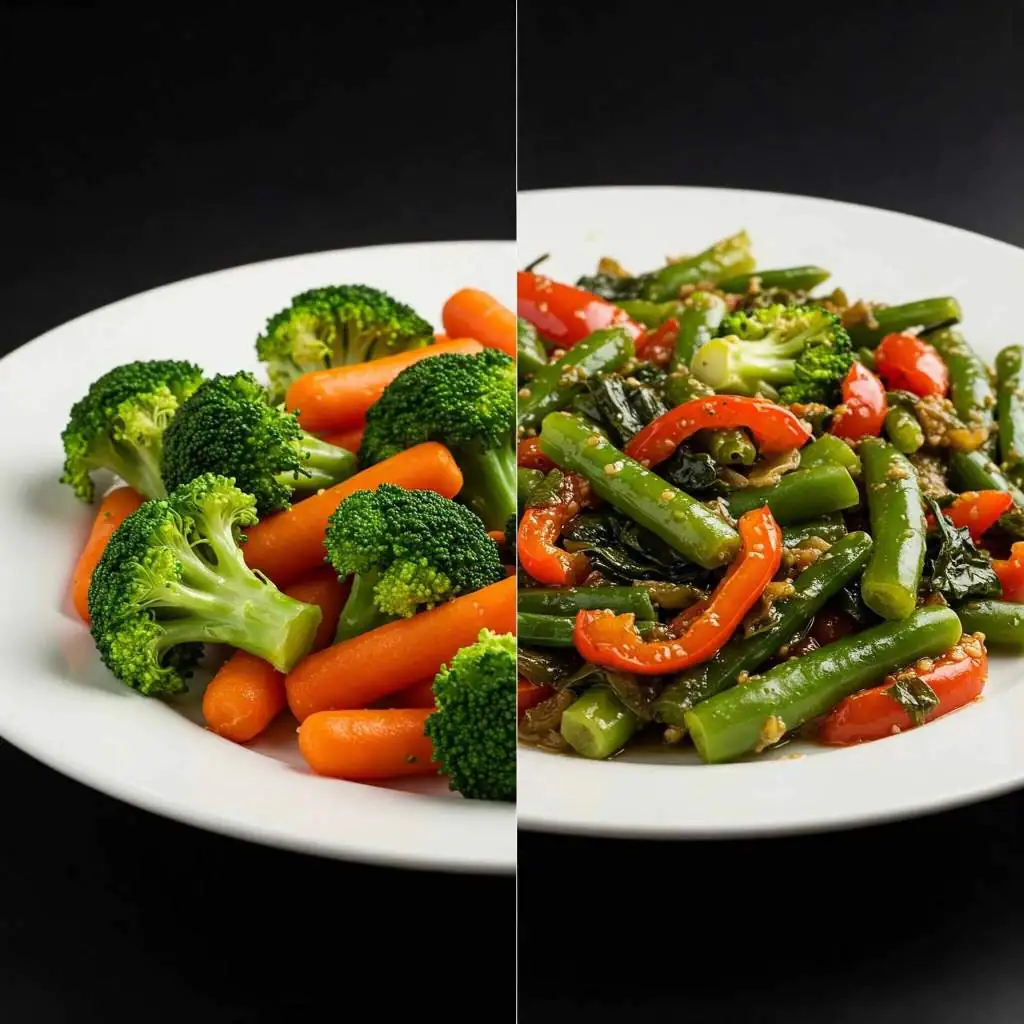
During the canning process, vegetables are exposed to high heat. This heat softens plant tissues and breaks down natural structure. As a result, canned vegetables can become too soft or mushy, which reduces product quality and consumer acceptance.
Calcium chloride helps prevent this problem.
Scientific Reason Why Calcium Chloride Works
Plant cell walls contain a natural substance called pectin. Pectin acts like glue that holds plant cells together.
When calcium chloride dissolves in water, it releases calcium ions (Ca²⁺). These calcium ions react with pectin and form calcium pectate, a stronger structure that reinforces the cell walls.
This reaction helps vegetables keep their firmness even after heat processing.
Studies in food science show that vegetables processed with calcium chloride stay noticeably crisper than those without it.
How Calcium Chloride Is Used in Canning
Calcium chloride is usually added directly into:
- The brine solution
- Processing water
Recommended Dosage
Most vegetables respond well to a concentration of:
0.1% – 0.3% calcium chloride
The exact amount depends on:
- Vegetable type
- Desired firmness
- Processing temperature
⚠️ Too much calcium chloride may cause a slightly bitter or salty taste, so accurate dosing is important.

Key Benefits in Canned Vegetables
1. Better Texture
Vegetables stay firm and crisp instead of becoming soft or mushy.
2. Longer Shelf Life
Stronger cell structure slows down texture breakdown during storage.
3. Improved Appearance
Firm vegetables look fresher and more appealing in the can or jar.
4. Higher Product Value
Consumers prefer crisp vegetables, which increases repeat purchases.
Food Safety and Regulatory Status ✅
Calcium chloride used in food processing must be food grade.
It is approved as a food additive in many countries and is commonly listed as:
E509 (Firming Agent)
When used at recommended levels, it is safe and does not harm nutritional value.
Comparison with Other Firming Agents
| Firming Agent | Effectiveness | Cost | Taste Impact |
|---|---|---|---|
| Calcium Chloride | Very effective | Low | Minimal if dosed correctly |
| Alum | Effective but less common now | Medium | May affect taste |
| Calcium Lactate | Mild effect | Higher | Very low taste impact |
Calcium chloride is popular because it offers strong performance at low cost.
Practical Tips for Best Results
✔ Dissolve completely before adding
✔ Mix evenly in brine
✔ Do small batch testing before full production
✔ Use food-grade quality only
Conclusion
Calcium chloride is an essential firming agent in vegetable canning. By strengthening plant cell walls through calcium–pectin reactions, it helps vegetables stay crisp, attractive, and stable during storage. When used correctly, it improves product quality, shelf life, and market value.