
Molecular gastronomy has transformed modern cuisine by combining food and science. One of the most exciting techniques is spherification, a process that creates delicate gel spheres that burst with flavor. At the center of this technique is food-grade calcium chloride, an essential ingredient that makes these creations possible.
From fruit “caviar” to cocktail pearls, calcium chloride helps chefs turn liquids into elegant, eye-catching spheres.
What Is Spherification?
Spherification is a culinary technique where a liquid forms a thin gel membrane on the outside while remaining liquid inside. The result looks like caviar or jelly pearls but delivers an intense burst of flavor when eaten.
This reaction happens when sodium alginate (from seaweed) meets calcium ions.
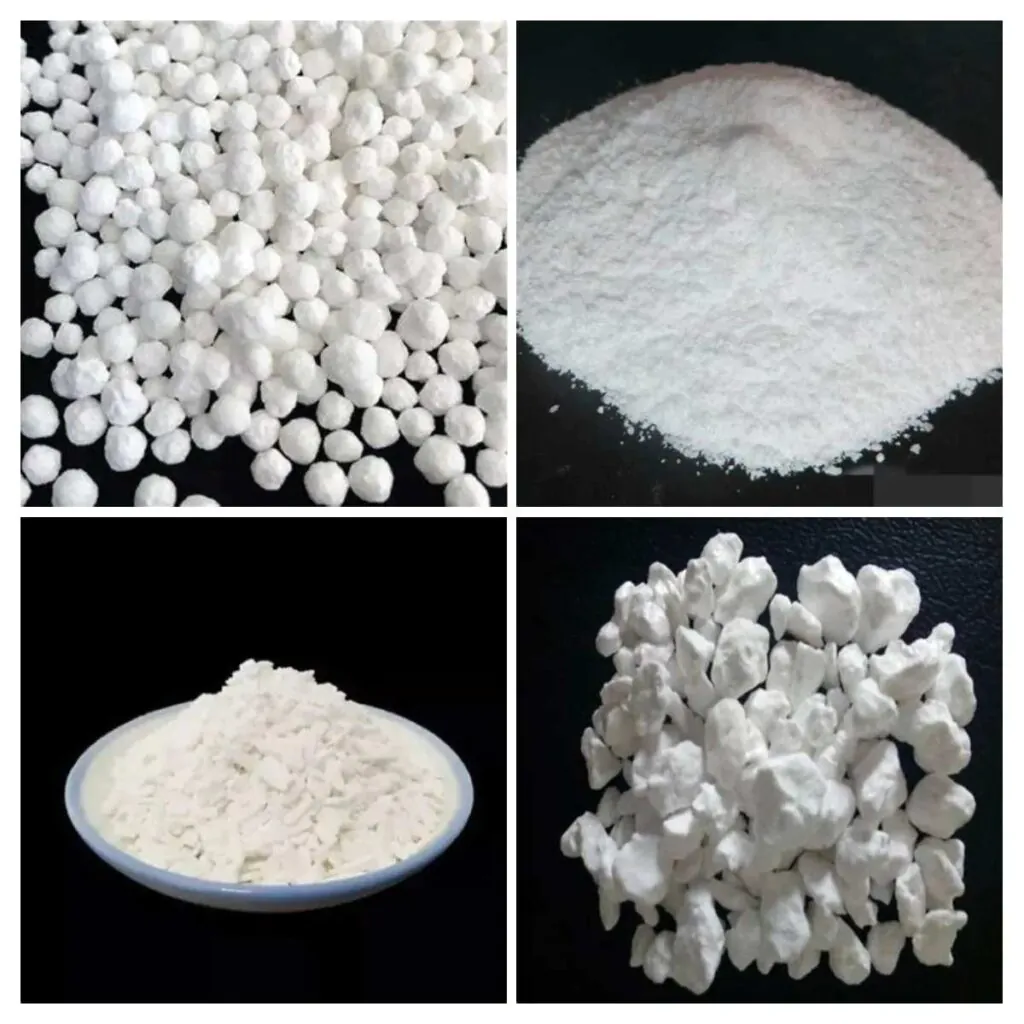
Why Calcium Chloride Is Used
Calcium chloride (CaCl₂) is widely used in spherification because it is a strong and reliable source of calcium ions (Ca²⁺).
When dissolved in water:
The calcium ions react with sodium alginate to form calcium alginate gel, which creates the thin outer shell of the sphere.
Key Advantages
✔ Highly soluble in water
✔ Fast and reliable gel formation
✔ Food-grade and safe when used correctly
✔ Does not significantly affect flavor after rinsing
How to Make Molecular Pearls (Basic Spherification)
These small gel spheres are often called fruit caviar, juice pearls, or flavor beads.
Ingredients
- Sodium alginate
- Calcium chloride
- Flavored liquid (fruit juice, coffee, tea, sauces, etc.)
- Clean water
Tools
- Blender or hand mixer
- Measuring scale or spoons
- Syringe, dropper, or caviar maker spoon
- Two bowls (alginate mix + calcium bath)
Step 1: Prepare the Flavored Alginate Base
Blend sodium alginate into your flavored liquid until fully dissolved.
Let the mixture rest to remove air bubbles. A smooth solution is important for perfect spheres.
Step 2: Prepare the Calcium Chloride Bath
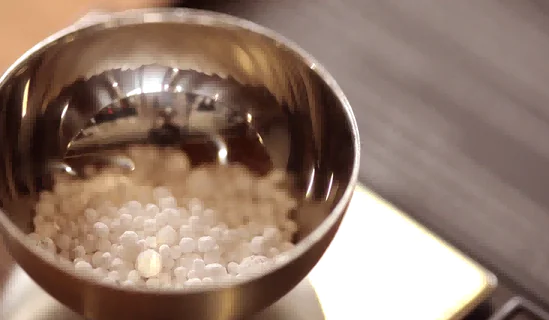
Dissolve calcium chloride in water to make a calcium bath.
A typical concentration is 0.5%–1%.
Step 3: Form the Spheres
Slowly drip the alginate mixture into the calcium bath using a syringe or dropper. As soon as the liquid touches the bath, a gel membrane forms around each drop, creating spheres.
Leave them in the bath for 30 seconds to 2 minutes, depending on the desired shell thickness.
Step 4: Rinse the Spheres
Remove the spheres with a spoon and rinse them in clean water.
This step removes excess calcium chloride and prevents a salty or bitter taste.
Your molecular pearls are now ready to serve.
Making Imitation Caviar
The same method is used to create imitation caviar. By using dark liquids such as balsamic vinegar, soy sauce blends, or vegetable juices, chefs can produce pearls that look like real fish roe.
These are popular in:
- Vegan dishes
- Fine dining appetizers
- Cocktail garnishes
- Dessert decorations
Tips for Perfect Spheres
Keep the alginate mixture smooth
Air bubbles can deform the spheres.
Control droplet size
Smaller droplets create caviar-style pearls. Larger droplets make bursting spheres.
Do not over-soak
Leaving spheres too long in the calcium bath makes the gel too thick and rubbery.
Always rinse well
This improves taste and texture.
Safety and Usage Notes
Calcium chloride used in molecular gastronomy must be food grade. Although safe in small culinary amounts, excessive use can create a bitter taste. Proper rinsing is important for the best flavor.
Conclusion
Calcium chloride is a key ingredient in molecular gastronomy, making modern spherification techniques possible. By reacting with sodium alginate, it forms a delicate gel shell that transforms liquids into beautiful, flavorful spheres.
Whether used for fruit pearls, cocktail beads, or imitation caviar, calcium chloride helps chefs create unforgettable textures and visual experiences on the plate.