
When winter arrives, ice control becomes essential for roads, sidewalks, and parking areas. Businesses, municipalities, and homeowners all need a solution that works quickly and reliably. Among many available deicing products, calcium chloride ice melt stands out for its powerful performance in extreme cold and its long-lasting effectiveness.
Unmatched Performance in Extreme Temperatures
One of the biggest advantages of calcium chloride is its ability to keep working in very low temperatures. Many ice melt products stop being effective once temperatures fall well below freezing. Calcium chloride, however, continues to melt ice efficiently at temperatures as low as -25°F (-32°C).
By comparison, traditional rock salt (sodium chloride) becomes much less effective below about 20°F (-6°C). In severe winter climates, this difference is critical. Calcium chloride helps keep surfaces safer when other deicers can no longer perform.
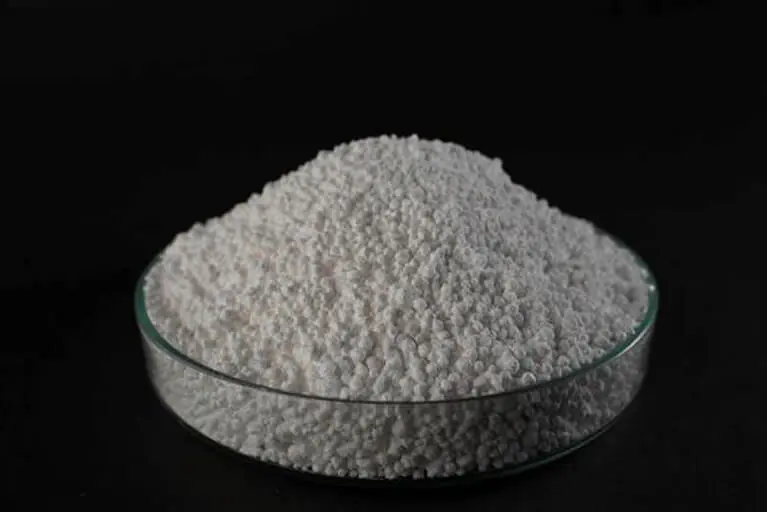
The Science Behind Calcium Chloride’s Melting Power
Calcium chloride works differently from many other ice melt products. When it dissolves in water, it releases heat through an exothermic reaction. Instead of relying only on outside temperatures, it produces its own heat to speed up melting.
At the same time, calcium chloride lowers the freezing point of water. It breaks the bond between ice molecules and turns solid ice into liquid brine more quickly. Because of this dual action—heat generation and freezing point reduction—calcium chloride ice melt works faster and more effectively than many alternatives.
Key Benefits of Using Calcium Chloride
Rapid Melting Speed
The heat released during dissolution allows calcium chloride to penetrate and melt ice quickly. This fast action reduces the time surfaces remain slippery, improving safety for both pedestrians and vehicles.
Long-Lasting Residual Effect
Calcium chloride is hygroscopic, meaning it absorbs moisture from the surrounding air. This helps it stay active on treated surfaces for a longer time. As a result, fewer reapplications are needed, saving labor and material costs.
Surface Versatility
When applied properly, calcium chloride can be used on concrete, asphalt, and even metal surfaces. It is generally less corrosive than some other deicers, especially when used according to recommended guidelines.
Lower Overall Environmental Load
Because calcium chloride works efficiently and requires smaller quantities, the total amount of material released into the environment is reduced. Compared to heavy rock salt use, this can mean less impact on surrounding soil and vegetation.

Practical Uses Across Different Sectors
Municipal Winter Maintenance
Cities and towns rely on dependable deicers to keep roads, bridges, and public walkways safe. Calcium chloride’s performance in extreme cold makes it a trusted choice during severe winter storms.
Commercial Properties
Shopping centers, office parks, and industrial sites must keep entrances and parking lots clear. The fast action and long-lasting effect of calcium chloride ice melt help reduce repeat treatments and keep businesses operating smoothly.
Residential Ice Control
Homeowners also benefit from calcium chloride’s strong melting ability. It works quickly on driveways and sidewalks, even during very cold weather, providing reliable winter safety at home.
Conclusion
Calcium chloride remains one of the most powerful and reliable ice melt products available today. Its ability to generate heat, lower the freezing point of water, and perform in extremely low temperatures makes it more effective than many traditional deicers. For municipalities, businesses, and homeowners alike, calcium chloride ice melt provides the performance and dependability needed to stay safe throughout the winter season.

