Skip to content
For many years, calcium chloride has been a key chemical used across a wide range of industries. In oil and gas drilling, it plays a critical role due to its strong performance, reliability, and cost efficiency.
Calcium chloride is widely applied to solve common drilling challenges, including shale stabilization, wellbore collapse prevention, and drilling fluid control. This article explains why calcium chloride is considered an essential solution in oil and gas drilling operations.
What Is Calcium Chloride?
Calcium chloride is a white crystalline inorganic salt composed of calcium ions and chloride ions.
- Calcium ions help stabilize drilling mud systems and support wellbore integrity
- Chloride ions improve fluid density and flow behavior, allowing drilling fluids to perform effectively in deep and complex formations
The combined action of these ions makes calcium chloride highly suitable for drilling fluid formulation in oil and gas applications.
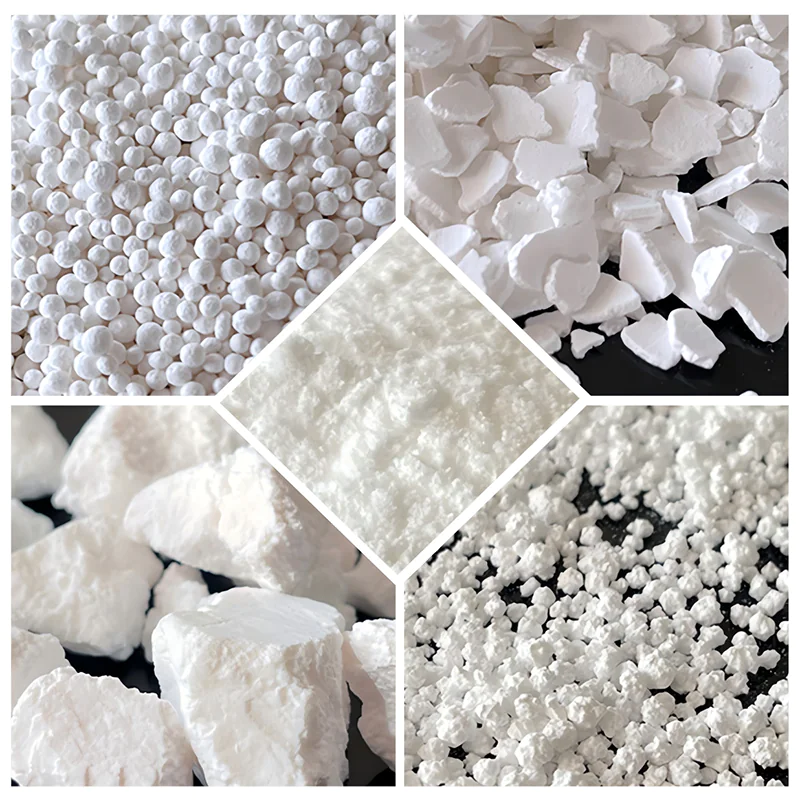
Calcium Chloride’s Role in the Oil and Gas Industry
Calcium chloride holds an important position in the oil and gas industry because of its ability to handle multiple drilling challenges at the same time.
It is widely used to:
- Stabilize shale formations
- Prevent wellbore collapse
- Reduce clay and mineral swelling
- Improve drilling fluid consistency
Because of these functions, calcium chloride is a common component in many water-based drilling mud systems.
Application of Calcium Chloride in Drilling Operations
Calcium chloride is used throughout different drilling stages, including exploration, completion, and well stimulation.
When added to drilling muds, it provides several key functions:
- Increases mud density to enhance wellbore stability
- Limits water invasion into formations
- Improves formation integrity and reduces structural damage
Using calcium chloride in drilling fluids helps reduce non-productive time and lowers maintenance and repair costs.
[Image Placeholder: calcium chloride in drilling fluid system]

Benefits of Using Calcium Chloride in Oil and Gas Drilling
The use of calcium chloride offers multiple advantages throughout drilling operations:
Enhanced Wellbore Stability
Calcium chloride helps maintain stable well walls and reduces the risk of collapse.
Improved Drilling Efficiency
Stable drilling conditions reduce interruptions and allow smoother, faster drilling progress.
Hydrogen Sulfide Control
Calcium chloride helps control and reduce hydrogen sulfide formation, improving safety for workers.
Cost-Effective Performance
Its multifunctional nature reduces the need for multiple chemical additives.
In terms of efficiency, safety, and cost control, calcium chloride remains a reliable and proven solution in oil and gas drilling.
Article Summary
Calcium chloride is a vital chemical in oil and gas drilling operations. Its ability to stabilize wellbores, improve drilling fluid performance, control hydrogen sulfide, and reduce operational costs makes it an essential component in modern drilling systems. Proper use of calcium chloride helps ensure safer, more efficient, and more economical drilling results.