 Skip to content
Plant diseases often occur when crops are weak, stressed, or lacking key nutrients. Calcium chloride plays an important role in strengthening plant structure and improving natural resistance. When used properly, it helps crops stay healthier and better able to withstand disease pressure.

1. Strengthening Plant Cell Walls
Calcium is a key component of plant cell walls. When plants receive enough calcium:
- Cell walls become thicker and stronger
- Pathogens find it harder to penetrate plant tissues
- Infection risk is reduced
Stronger cell structure is one of the first defenses against many fungal and bacterial diseases.
2. Improving Nutrient Absorption
Calcium ions support healthy root development. Strong roots can absorb water and nutrients more efficiently, which improves overall plant vigor.
Healthy, well-fed plants naturally have:
- Better growth
- Stronger immune response
- Lower disease incidence
3. Regulating Plant Physiological Activities
Calcium also plays a role inside plant cells. It helps regulate:
- Cell signaling processes
- Enzyme activity
- Stress response mechanisms
These functions allow plants to better cope with environmental stress, which often triggers disease outbreaks.
4. Improving Soil Conditions
Calcium chloride can help improve soil conditions by supplying available calcium. In some cases, this supports better soil balance and creates a less favorable environment for certain soil-borne pathogens.
Healthier soil supports stronger roots and reduces disease risks from the root zone.
5. Enhancing Plant Stress Resistance
Crops treated with calcium chloride often show improved tolerance to:
- Drought stress
- Temperature fluctuations
- Salinity stress
When plants experience less stress, they are less vulnerable to disease infection and spread.
Practical Application Methods
Calcium chloride can be applied in several ways depending on crop type and growing conditions.
1. Foliar Spray
Dilute calcium chloride with water and spray directly on plant leaves. This allows quick calcium absorption and fast improvement in plant strength and resistance.
2. Soil Application
Mix calcium chloride into the soil before planting or during crop growth. This improves calcium availability in the root zone and supports long-term plant health.
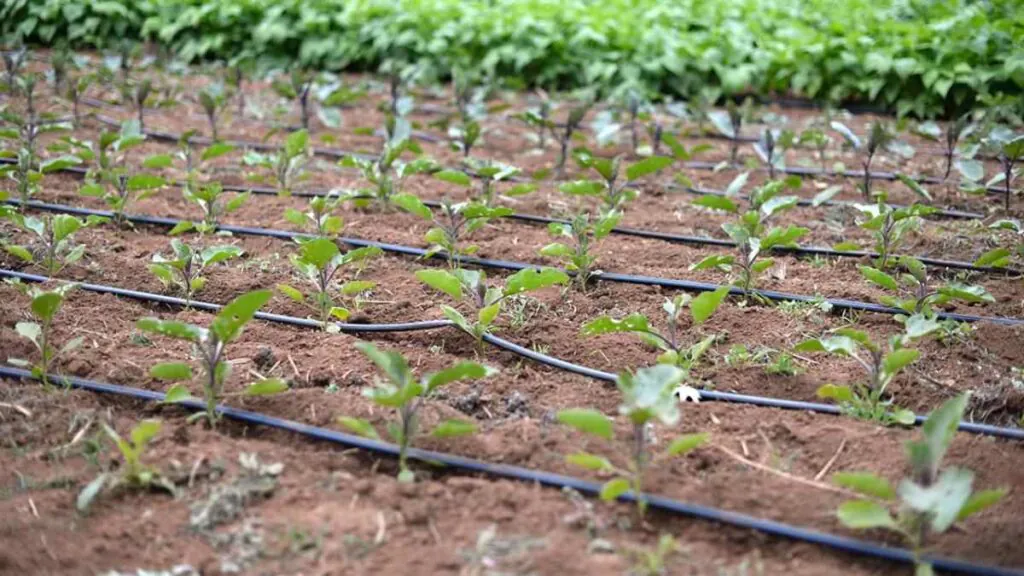
3. Drip Irrigation
Calcium chloride solution can be delivered through drip irrigation systems. This ensures a steady and controlled calcium supply directly to plant roots.
Conclusion
Calcium chloride supports plant health in many ways. It strengthens cell walls, improves nutrient uptake, regulates plant functions, supports soil conditions, and enhances stress resistance. Together, these benefits help reduce disease incidence and improve overall crop performance.
👉 If you are looking for high-quality agricultural calcium chloride for crop nutrition and plant health improvement, contact us for product specifications, technical guidance, and bulk supply options tailored to your farming needs.


